Ethel: A Name That Carries the Story of a Generation
What does the name “Ethel” have to do with older persons? More than we might think.
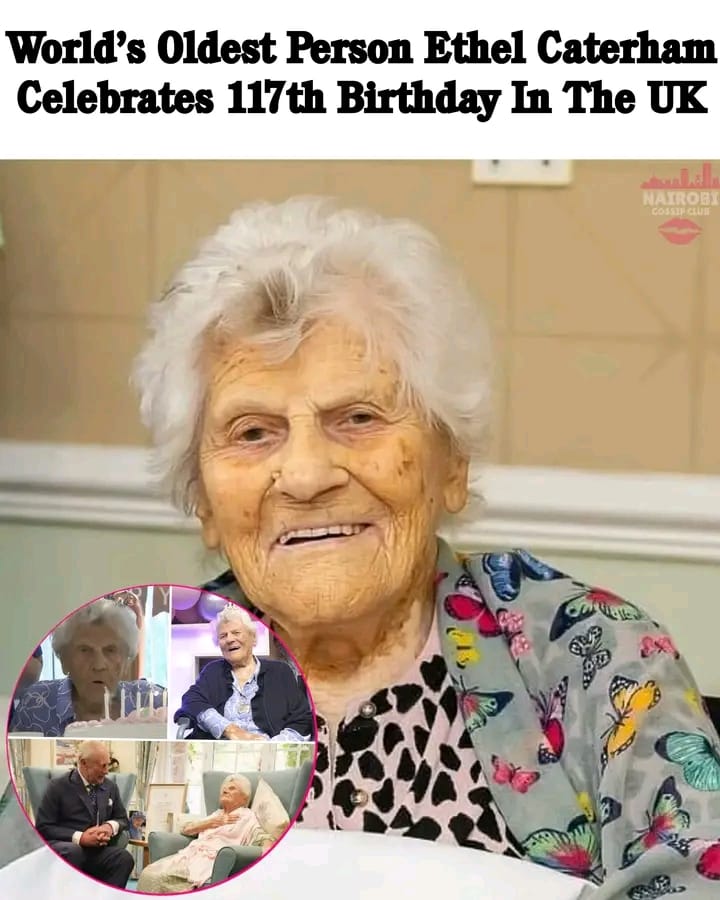
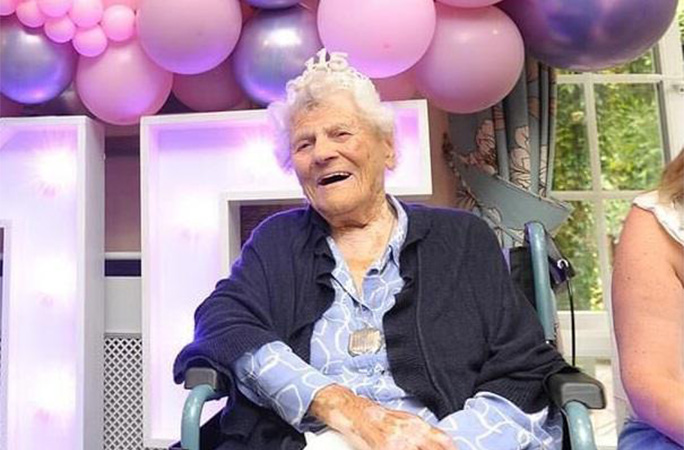
This week, the name Ethel has captured global attention for a remarkable reason. On 21 August 2026, Ethel Caterham of the United Kingdom celebrated her 117th birthday, becoming the first British person ever verified to reach that age. Guinness World Records recognizes her as the world’s oldest living person.
But there is another interesting story behind her name — one that speaks directly to the generations of older people we serve and celebrate.
Ethel is an old name — but not because old age is attached to it
The name Ethel comes from an Old English element, æðele, meaning “noble.” It was revived as a given name in the 19th century, at a time when traditional Anglo-Saxon names were becoming fashionable again. It was also popularized through literature, including novels by William Makepeace Thackeray and Charlotte Mary Yonge.
By the beginning of the 20th century, Ethel had become a familiar name for girls in England and Wales. The Office for National Statistics records Ethel among the top 20 girls’ names in England and Wales in 1904.
That historical detail makes Ethel Caterham’s story particularly striking.
She was born in 1909 — only five years after Ethel was among the most popular girls’ names of its time. In other words, the name “Ethel” belongs to the same historical world that produced the generation she represents.
From a popular name to a living history
Ethel Caterham is not simply 117 years old.
She is a living connection to a world that most of us know only through history books.
Born in 1909, she grew up before the First World War, lived through the Second World War, witnessed extraordinary technological and social change, travelled independently to India at 18 to work as a nanny, later lived in Hong Kong, raised a family and continued experiencing new things well into her later years.
Her life demonstrates something important about ageing:
Older persons are not simply people from the past. They are people who have carried the past into the present.
Every older person carries memories, knowledge, relationships, skills, traditions and experiences that cannot be replaced once lost.
The significance for Ethel Foundation for the Aged
For us at Ethel Foundation for the Aged (EFA), the story has an even deeper resonance.
The name Ethel can be understood as a reminder of dignity, heritage and the value of a life lived across generations.
The word itself carries the meaning “noble.”
And that is precisely how older persons should be viewed.
Not as burdens. Not as people who have become irrelevant. Not merely as recipients of assistance.
But as people of inherent dignity, worth, experience and contribution.
Ethel Caterham’s 117 years remind us that longevity is not merely about adding years to life. It is also about recognizing the extraordinary human stories contained within those years.
A name that became a generation
There is something poetic about the name Ethel.
It was once a common name among young girls. Over time, the name became less common. The Office for National Statistics notes that Ethel, along with names such as Gladys, Doris and Hilda, was among the top 20 girls’ names in 1904 but later disappeared from the top rankings.
Today, hearing the name Ethel may immediately evoke an older generation.
But perhaps that is exactly why the name matters.
Names change. Generations change. Society changes. But human dignity does not become outdated.
The name Ethel therefore gives us an opportunity to challenge the way society sometimes thinks about ageing.
What appears “old” should not automatically be considered obsolete.
A name can become unfashionable without losing its meaning. A person can grow old without losing their value.
117 years — and still looking forward
Perhaps the most powerful part of Ethel Caterham’s story is not simply that she reached 117.
It is that, even at 117, she continues to speak about life with curiosity and openness. In her birthday message this year, she reflected on having experienced new things, including stroking a llama and meeting King Charles, and expressed an interest in seeing what the next year would bring.
That is a powerful lesson for all generations.
Age should never be treated as the end of possibility.
At EFA, we believe that older persons deserve opportunities not only to survive, but to live with dignity, participate in society, remain connected to their communities and continue contributing to the lives of others.
More than a name
So, what is the relationship between “Ethel” and old age?
There is no biological connection between the name and ageing. The connection is historical and symbolic.
Ethel was a name carried by generations of women who came of age in another era. Ethel Caterham, born in 1909, has now carried that name across 117 years of extraordinary human history.
And for us, the name offers a simple but powerful message:
Growing older does not diminish a person’s worth. It gives their story more chapters.
As we celebrate Ethel Caterham’s extraordinary milestone, we also celebrate the millions of older women and men whose names may never appear in the Guinness World Records — but whose lives, sacrifices, wisdom and contributions have helped build families, communities and societies.
At Ethel Foundation for the Aged, we believe every older person deserves to be seen, heard, respected and valued.
Because every Ethel — and every older person — carries a story worth knowing.
Ethel Foundation for the Aged (EFA)
Advancing dignity, care and inclusion for older persons.
#Ethel117 #EthelFoundationForTheAged #OlderPersons #AgeingWithDignity #HealthyAgeing #DignityInAgeing #OlderPeopleMatter #EveryLifeHasAStory