World Humanitarian Day 2026: Older Persons Must Not Be Forgotten in a Crisis
19 August 2026 | Ethel Foundation for the Aged (EFA)
Every humanitarian crisis has a human face.
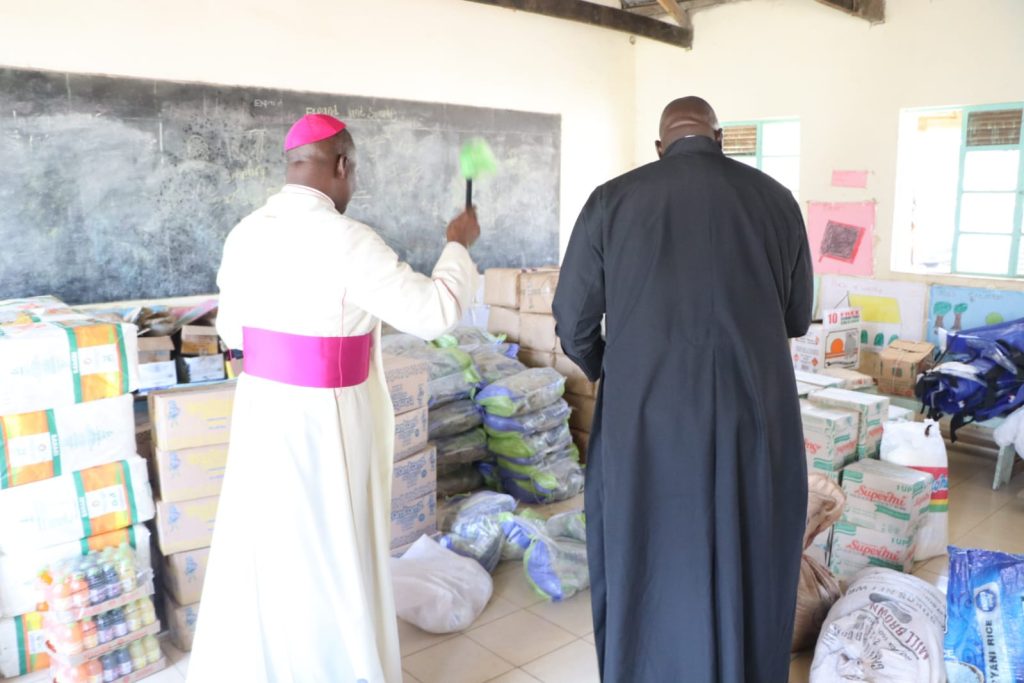
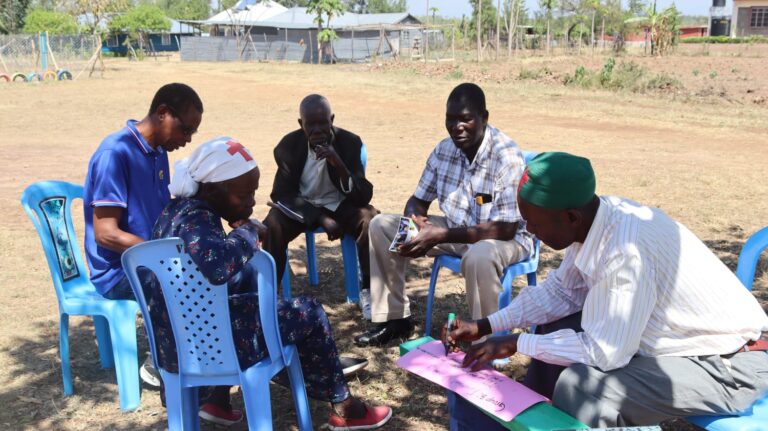
Behind the statistics are people whose lives have been disrupted by conflict, disasters, displacement, poverty and loss of livelihoods. Among them are older persons—people who can face particularly significant barriers to accessing assistance when crisis strikes.
On World Humanitarian Day 2026, Ethel Foundation for the Aged (EFA) joins the global community in honouring humanitarian workers and standing with people affected by crises.
The United Nations’ 2026 message highlights the increasingly dangerous environment in which humanitarian workers operate, with attacks, restricted humanitarian access, funding shortages and other risks undermining efforts to reach people in need. It calls for respect for international humanitarian law, safe access, accountability and adequate resources.
Older Persons Must Be Part of the Response
Humanitarian emergencies can intensify existing challenges faced by older persons.
A person with limited mobility may struggle to reach a distribution point. Someone living alone may have difficulty accessing information or assistance. An older person who depends on medication or regular healthcare may face serious consequences when essential services are disrupted.
Older persons may also lose livelihoods, social networks, homes and sources of family support during emergencies.
Yet older persons are not merely vulnerable recipients of assistance.
They are rights-holders, family members, caregivers, community leaders and custodians of knowledge and experience.
Their voices and capacities must therefore be recognised throughout humanitarian preparedness, response and recovery.
EFA’s Commitment
At EFA, we believe humanitarian action must go beyond meeting immediate needs.
It must protect dignity, safety, inclusion and participation.
Age-inclusive humanitarian action means ensuring that older persons are deliberately considered in:
- Emergency preparedness and contingency planning
- Humanitarian needs assessments
- Food and nutrition assistance
- Healthcare and psychosocial support
- Water, sanitation and hygiene interventions
- Shelter and protection services
- Social protection and livelihood recovery
- Community decision-making and accountability mechanisms
It also means recognising the important role played by local organisations, caregivers, volunteers and community structures in reaching people who may otherwise be overlooked.
Standing With Those Who Serve
World Humanitarian Day is also an opportunity to recognise humanitarian workers and community responders who continue to serve people affected by crisis, often under extremely difficult conditions.
Humanitarian workers should never have to risk their lives simply because they are trying to save or support others.
The UN’s 2026 campaign calls on the international community to stand up for humanitarian workers and to act for humanity.
EFA joins that call.
Protect humanitarian workers. Protect civilians. Protect dignity.
And as humanitarian systems respond to increasingly complex crises, let us ensure that older persons are visible, included and heard.
Because when crisis strikes, no older person should become invisible.
EFA Call to Action
We call on governments, humanitarian organisations, donors, civil society, faith-based organisations and communities to make age inclusion a deliberate component of humanitarian preparedness, response and recovery.
Older persons are not an afterthought in a crisis. They are part of the community—and must be part of the response.
Ethel Foundation for the Aged (EFA)
Promoting dignity, care and social inclusion for older persons.