When Did Experience Become Invisible?
There is a quiet contradiction in our society.
We celebrate experience. We seek wisdom. We admire resilience. We tell younger generations to learn from those who have gone before them.
Yet, somewhere along the way, many of the very people who embody these qualities become increasingly invisible simply because they have grown older.
When did we start measuring a person’s value by their age?
Think about the people who built our communities.
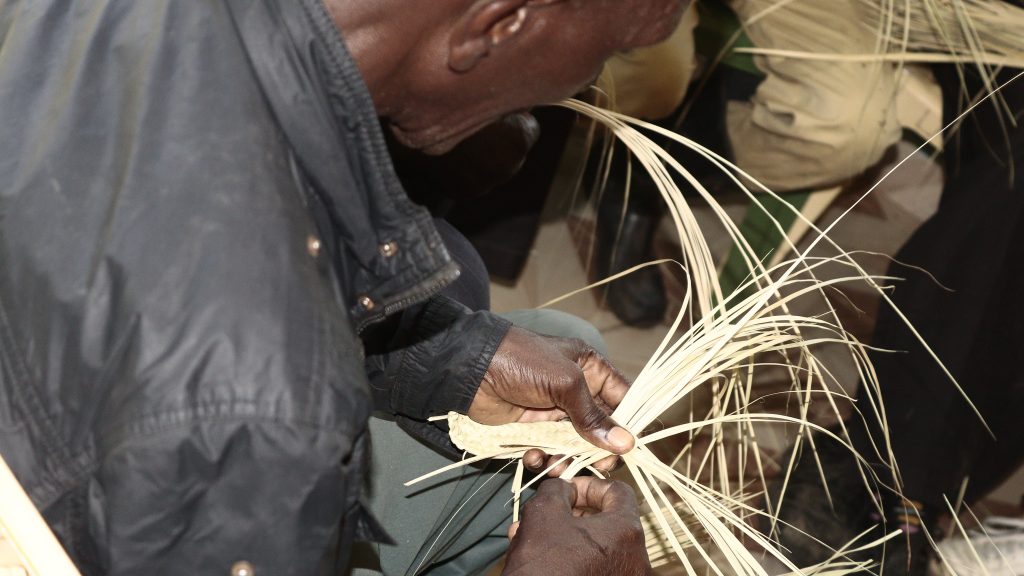
The teacher who shaped generations of leaders. The farmer whose hands fed countless families. The artisan whose craft preserved culture and identity. The parent and grandparent whose sacrifices laid the foundation for the opportunities many of us enjoy today.
These are not distant stories. They are the architects of our present.
Yet for far too many older persons, retirement marks not a celebration of lifelong contribution, but the beginning of social isolation, economic insecurity, declining access to healthcare, and exclusion from community life. Experience is too often mistaken for irrelevance, while wisdom is overlooked in favour of novelty.
This raises an important question. Perhaps we have been asking the wrong one.
For years, conversations around ageing have focused on how society should care for older persons. While care is essential, it should not be the only lens through which we view ageing.
A more important question is this:
How do we create opportunities for older persons to continue contributing, leading, mentoring, creating, and thriving?
Ageing should never signal the end of purpose.
Across Kenya, older persons continue to care for grandchildren, mediate family conflicts, preserve indigenous knowledge, mentor young entrepreneurs, cultivate farms, run businesses, volunteer within their communities, and provide invaluable social support. Their contribution extends far beyond economic productivity—it strengthens families, communities, and social cohesion.
The challenge is not that older persons have stopped contributing.
The challenge is that our systems often fail to recognize, support, and maximize those contributions.
At Ethel Foundation for the Aged, we believe that every older person deserves the opportunity to age with dignity, purpose, and inclusion.
This belief shapes everything we do.
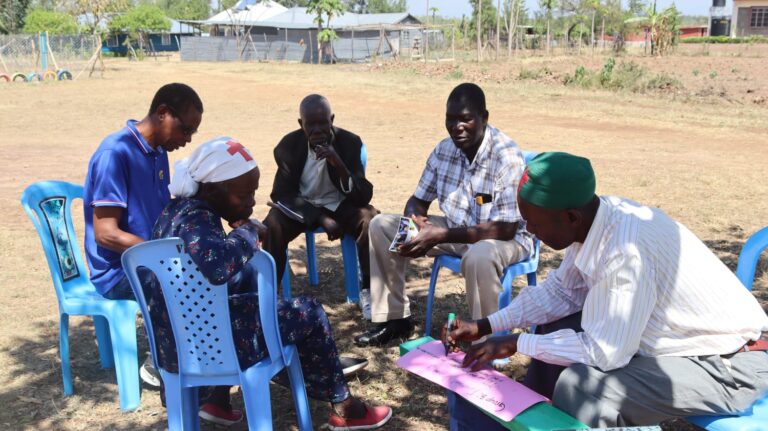
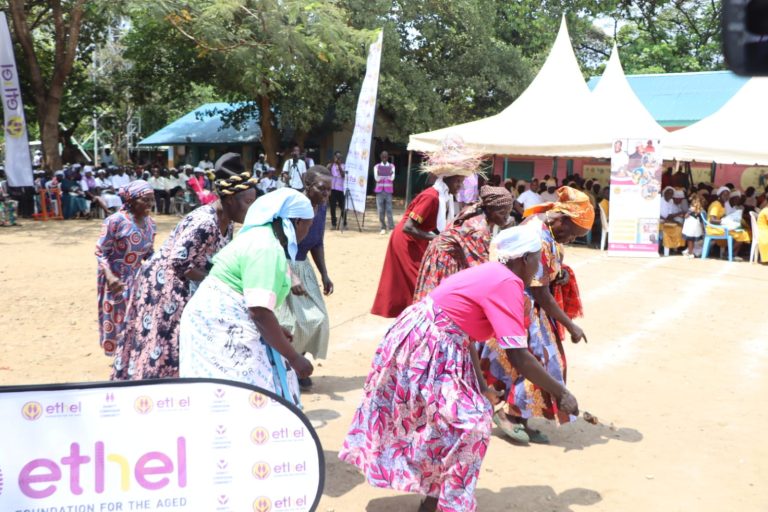
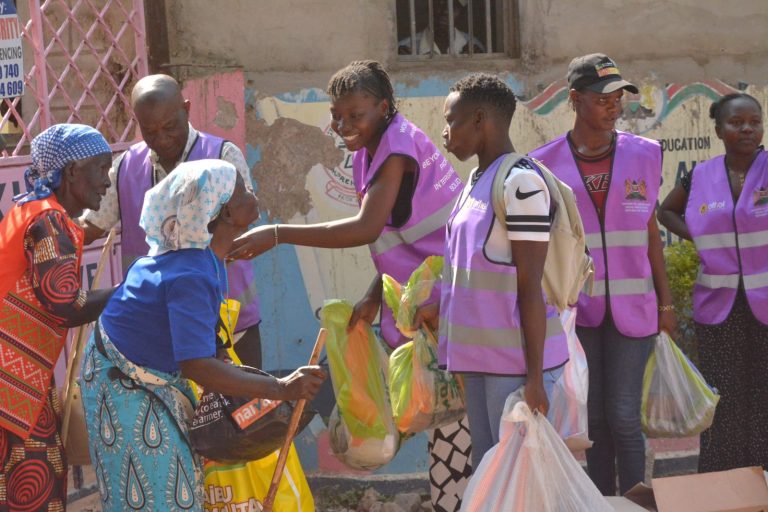
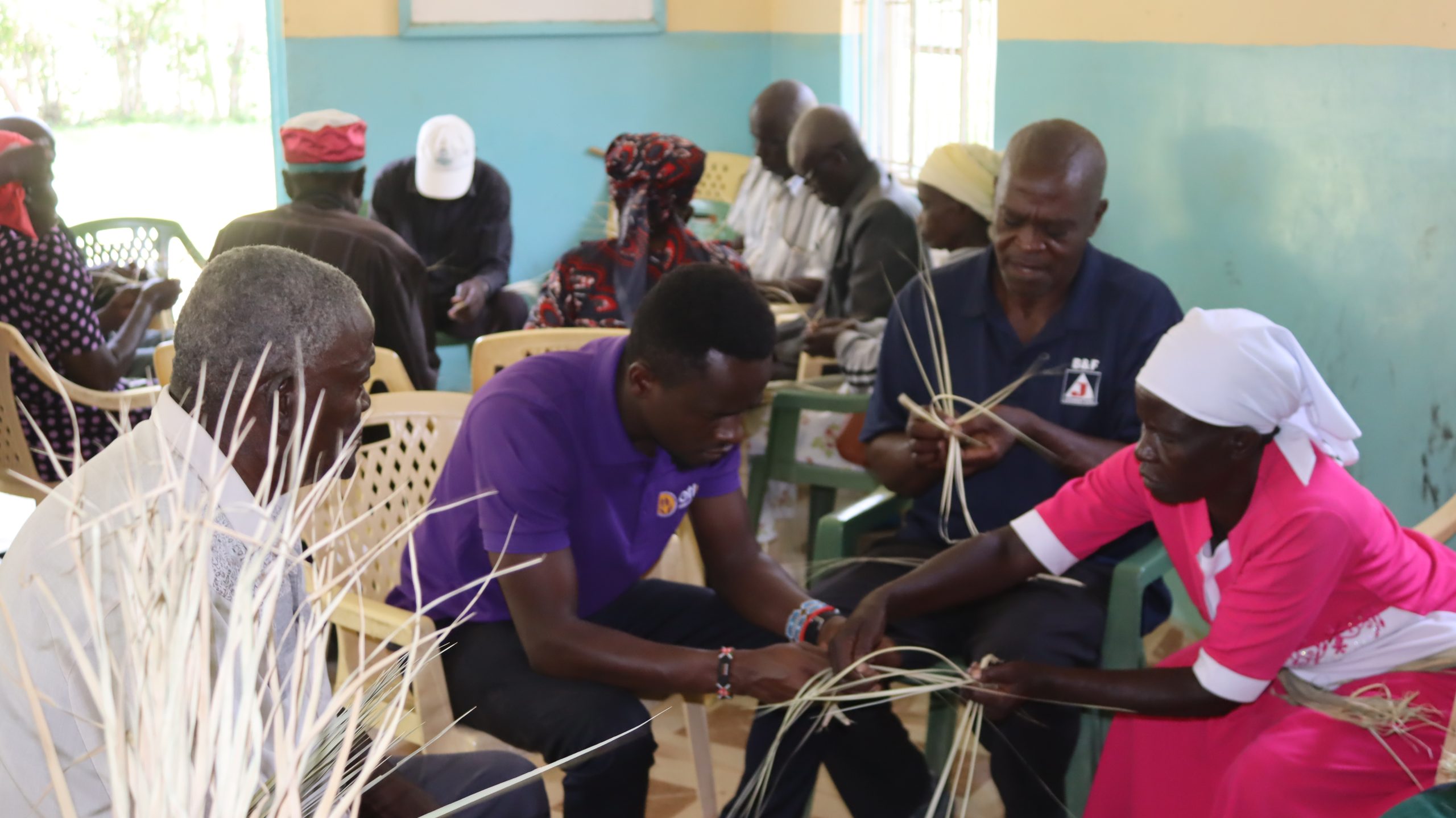
We advocate for policies that protect the rights of older persons and promote accountability. We support sustainable livelihood initiatives that strengthen independence and economic resilience. We work to improve access to healthcare and social protection services. We create spaces where older persons reconnect with their communities, share their experiences, and rebuild social networks. Above all, we amplify their voices so that they are active participants in decisions that affect their lives.
Our work is guided by a simple conviction: older persons are not passive recipients of support—they are active contributors to society.
They are entrepreneurs creating opportunities. They are caregivers holding families together. They are peacebuilders strengthening communities. They are custodians of culture and history. They are mentors shaping future generations. They are leaders whose experience remains one of society’s most valuable and underutilized resources.
When societies invest in older persons, they do far more than respond to immediate needs. They invest in stronger families, healthier communities, social cohesion, intergenerational learning, and sustainable development.
The conversation about ageing must therefore evolve.
It is not enough to ask how we can protect older persons from vulnerability. We must also ask how our policies, institutions, workplaces, and communities can harness the wealth of knowledge, experience, and leadership they continue to offer.
Because the true measure of a society is not found in how it celebrates youth alone, but in how it honours those whose lives have shaped its progress.
The question, then, is not whether older persons still have value.
The real question is whether we have built a society that truly recognizes that value.
If we can shift our perspective—from viewing ageing as decline to recognizing it as a stage rich with wisdom, leadership, and possibility—we will not only improve the lives of older persons, but strengthen society as a whole.
At Ethel Foundation for the Aged, we remain committed to building that future—one where every older person is seen, heard, valued, and empowered to continue making a meaningful contribution.
Because no one should become invisible simply because they have grown older.