What We Learned from Visiting Older Persons Building Their Own Livelihoods
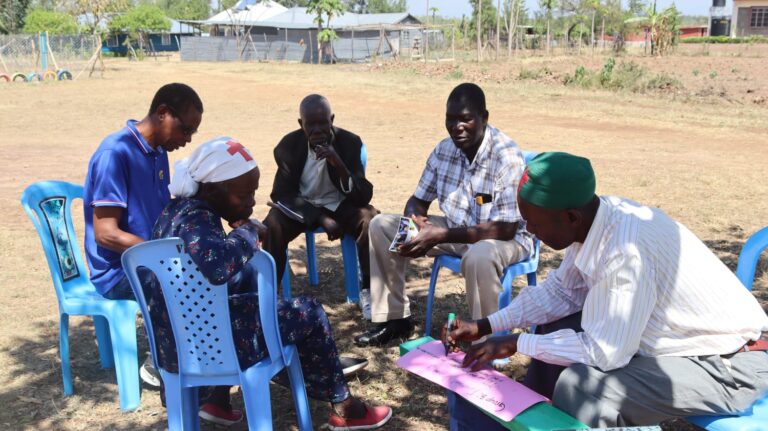
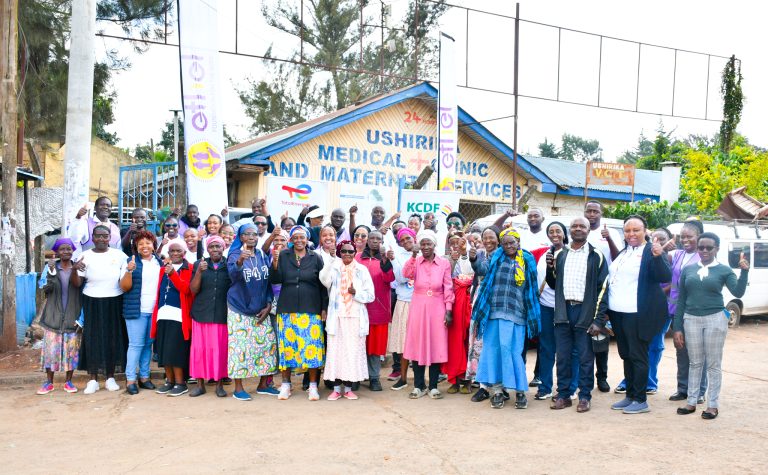
This week, we spent time in the field visiting beneficiaries of the Older Persons Livelihoods Project supported by KCDF. What we encountered was not simply programme implementation—it was a living demonstration of what becomes possible when dignity, structure, and opportunity are aligned.
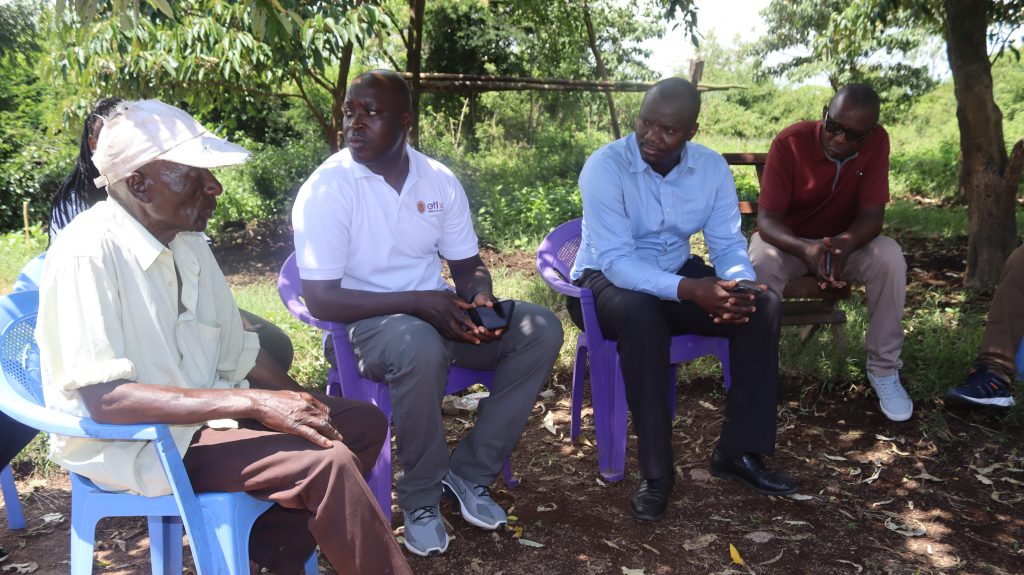
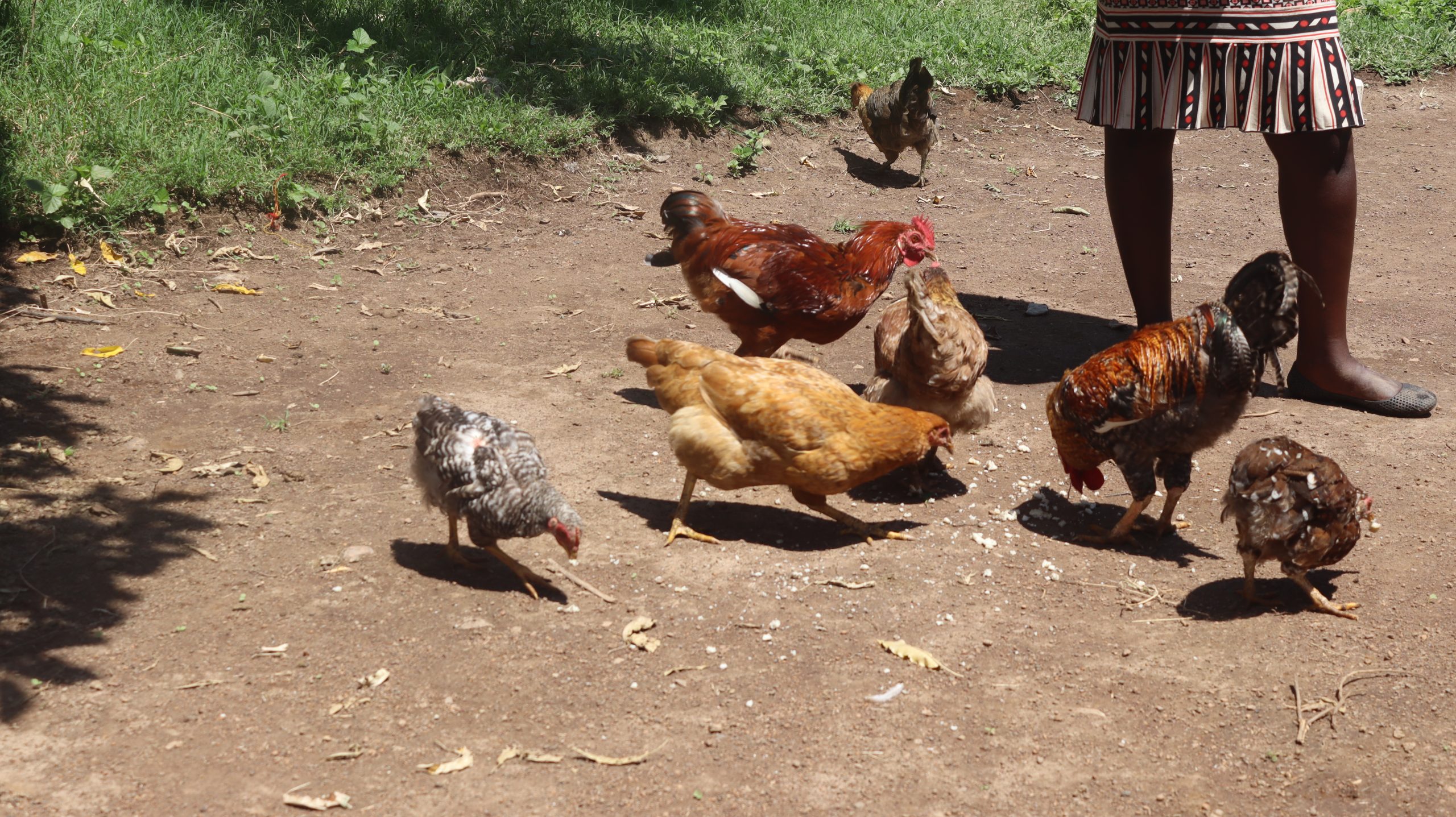
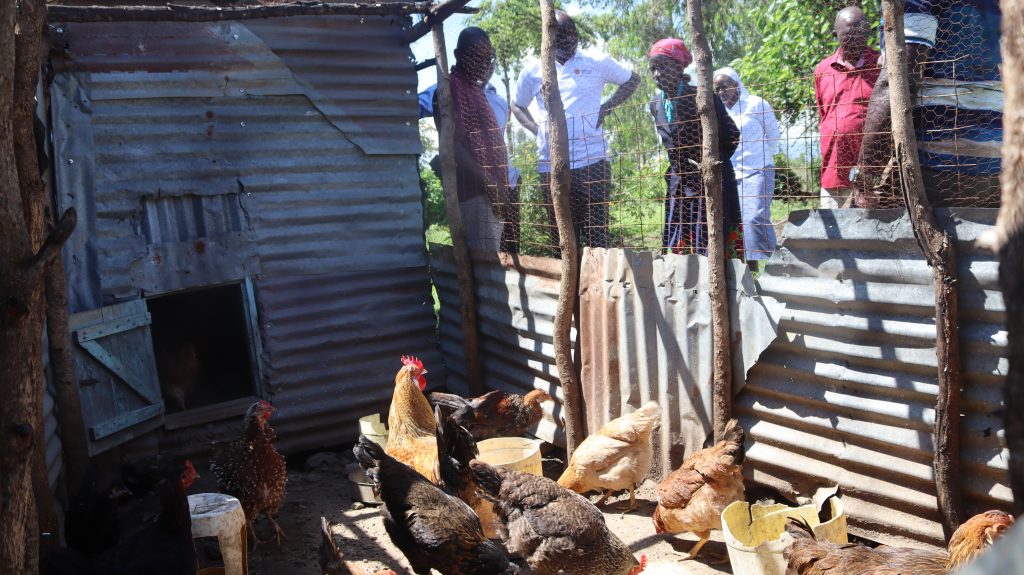
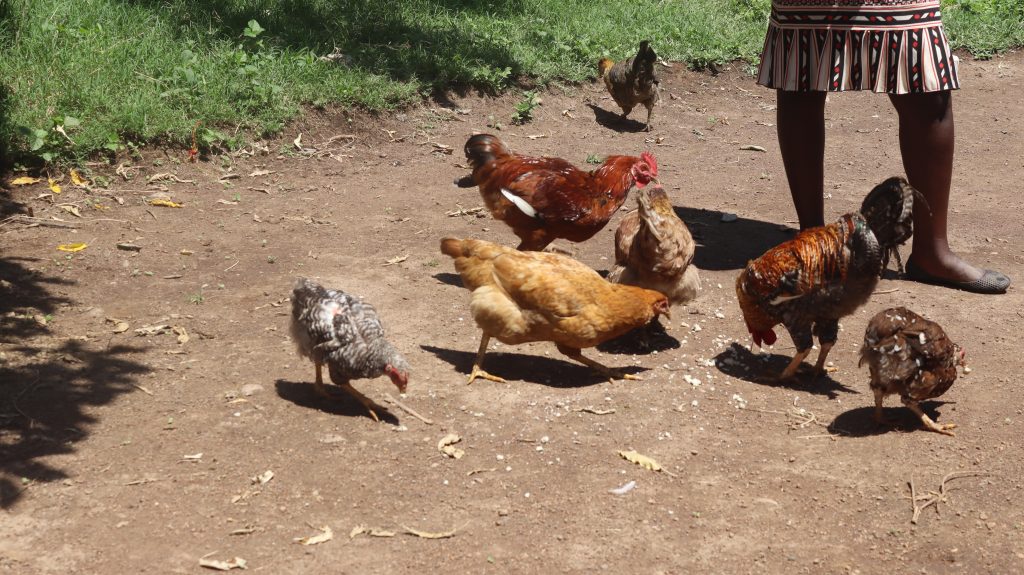
Across the different households and enterprises we visited, one thing was clear: older persons are not waiting to be supported—they are actively building. From a few chicken to productive household initiatives, the level of ownership and commitment stood out immediately. These are individuals investing effort, making decisions, managing resources, and steadily improving their circumstances.
This challenges a persistent narrative that often positions older persons primarily as dependents. What we saw instead was agency. We saw discipline. We saw resilience. And most importantly, we saw results that are both practical and sustainable.
Beyond Support: Designing for Agency
At the heart of this work is a deliberate shift in how programmes are designed. Rather than centering on provision alone, the livelihoods project emphasizes capacity, participation, and accountability.
This distinction matters.
When programmes are structured as one-directional support, they often produce short-term relief without long-term stability. But when they are designed to strengthen agency—equipping individuals to act, decide, and build—the outcomes begin to sustain themselves.
The older persons in this project are not passive recipients. They are co-producers of impact.
Their progress reflects:
- Intentional use of resources
- Consistent effort over time
- Adaptation to local realities
- Commitment to improving their own wellbeing
This is what turns an intervention into a system.
Livelihoods as a Pathway to Dignified Ageing
Livelihoods are not just about income. In the context of older persons, they represent something deeper: dignity, relevance, and inclusion.
Through economic participation, older persons maintain a sense of purpose. They remain engaged within their households and communities. They continue to contribute—not just economically, but socially and psychologically.
This has ripple effects:
- Improved household stability
- Strengthened intergenerational relationships
- Reduced vulnerability and dependency
- Enhanced self-worth and mental wellbeing
In this sense, livelihoods programming becomes a core component of dignified ageing—not an add-on.
What This Means for Practice
For practitioners, organisations, and policymakers, the implications are clear.
If we are to build systems that endure, we must:
- Design programmes that prioritize agency over dependency
- Build structures that support consistency and accountability
- Align interventions with the lived realities of beneficiaries
- Recognize and leverage the capabilities of older persons
- Measure success not just by outputs, but by sustained outcomes
This requires discipline in programme design and clarity in purpose. It also requires a shift in mindset—from doing for people to building with them.
A Continuing Commitment
At Ethel Foundation, this visit reaffirmed our belief that impactful work is not defined by how much is given, but by how well systems enable people to build for themselves.
The older persons we met are not just beneficiaries of a project—they are active participants in a broader system of change. Their progress is a reminder that when dignity is preserved and opportunity is structured, impact becomes visible, measurable, and sustainable.
We remain committed to strengthening this approach—refining models, deepening partnerships, and building systems that honour the agency and contribution of older persons across our communities.
Because dignified ageing is not an aspiration. It is something we must design for—and deliver—intentionally.