
INTERNATIONAL DAY OF LIVING TOGETHER IN PEACE 2026
SLOPAK in Action: Kisumu’s Elder Livelihood Groups
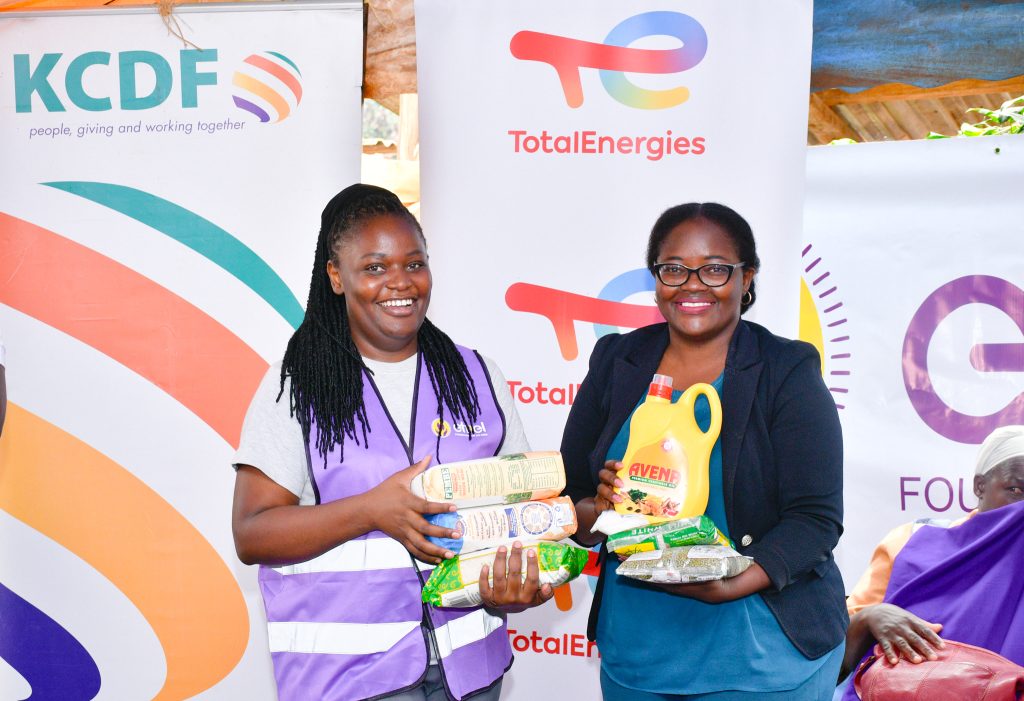
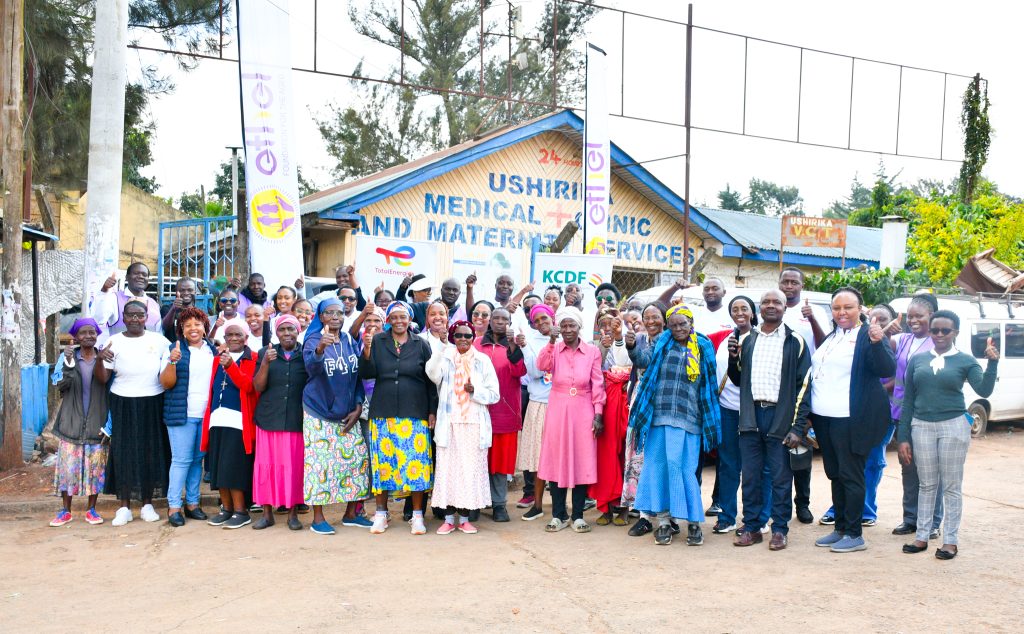
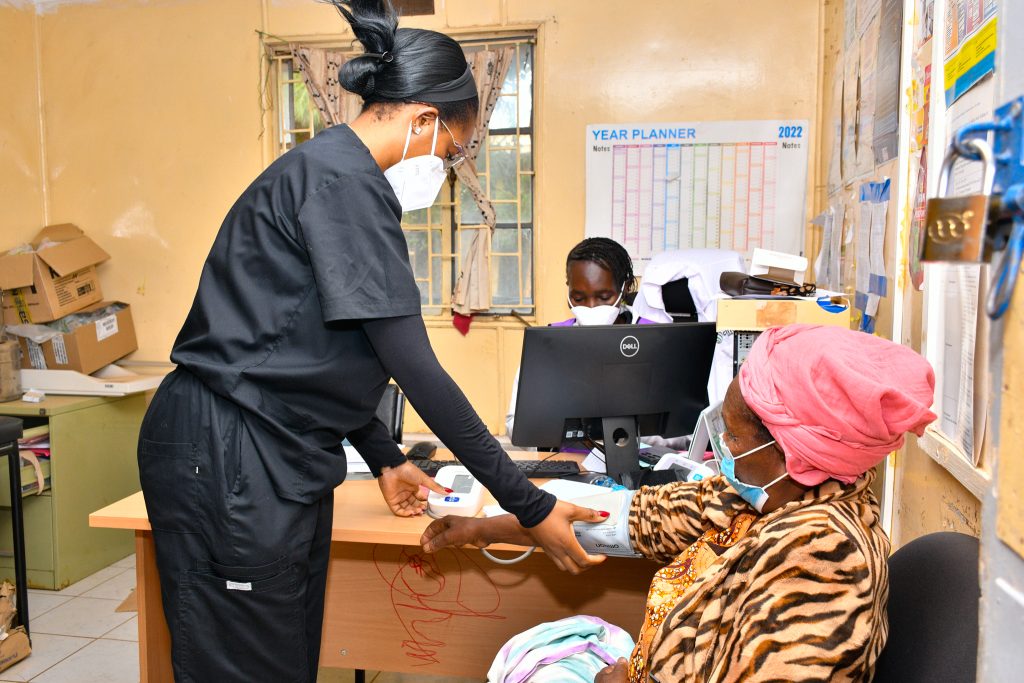
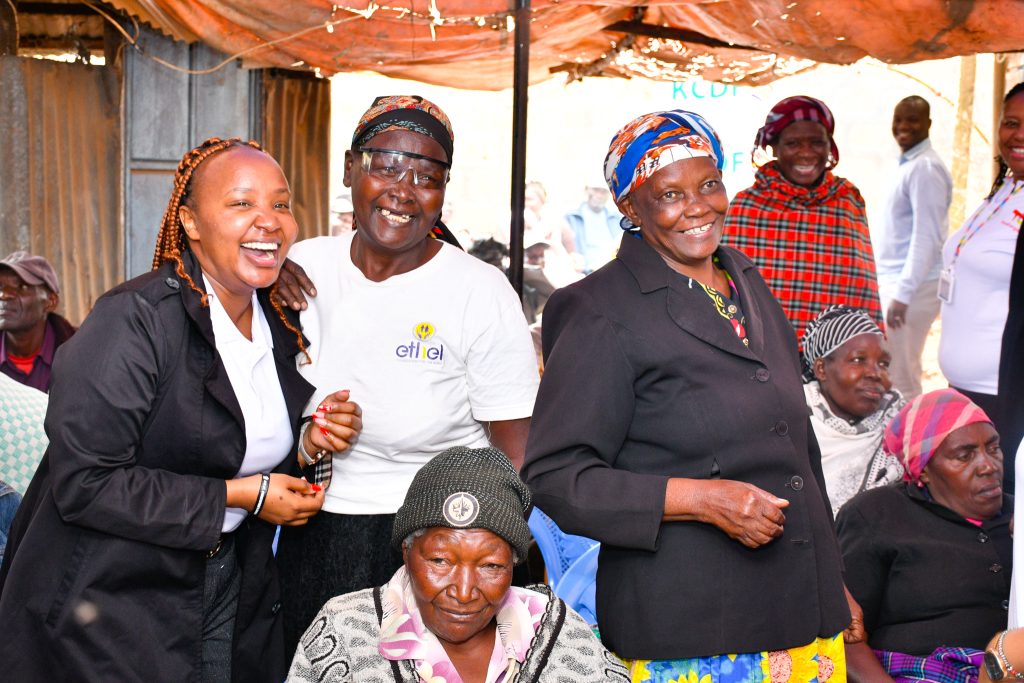
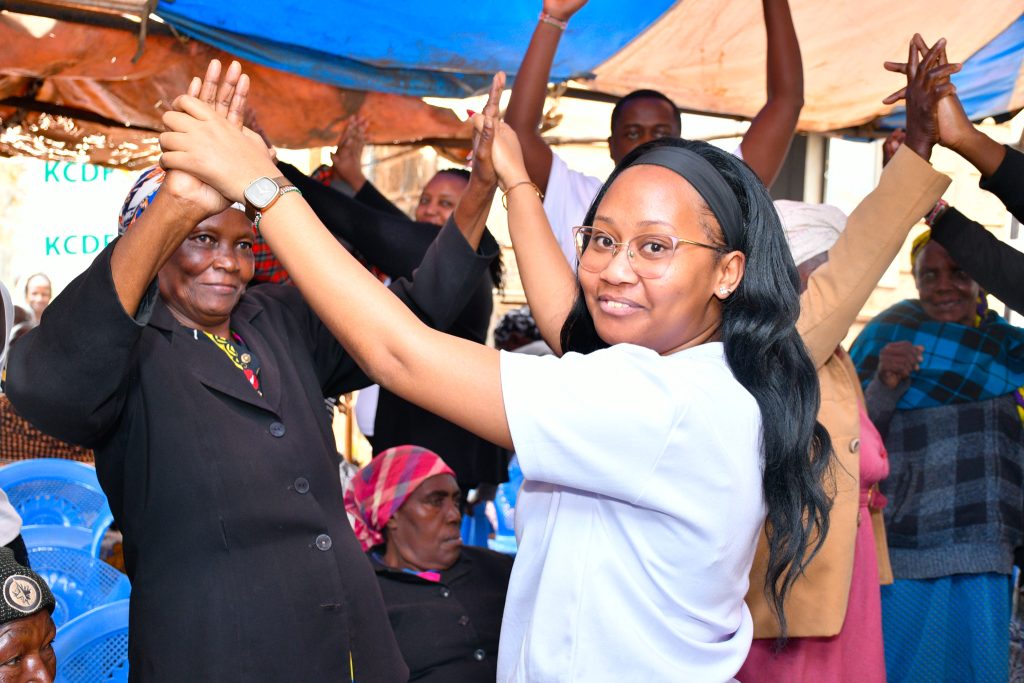
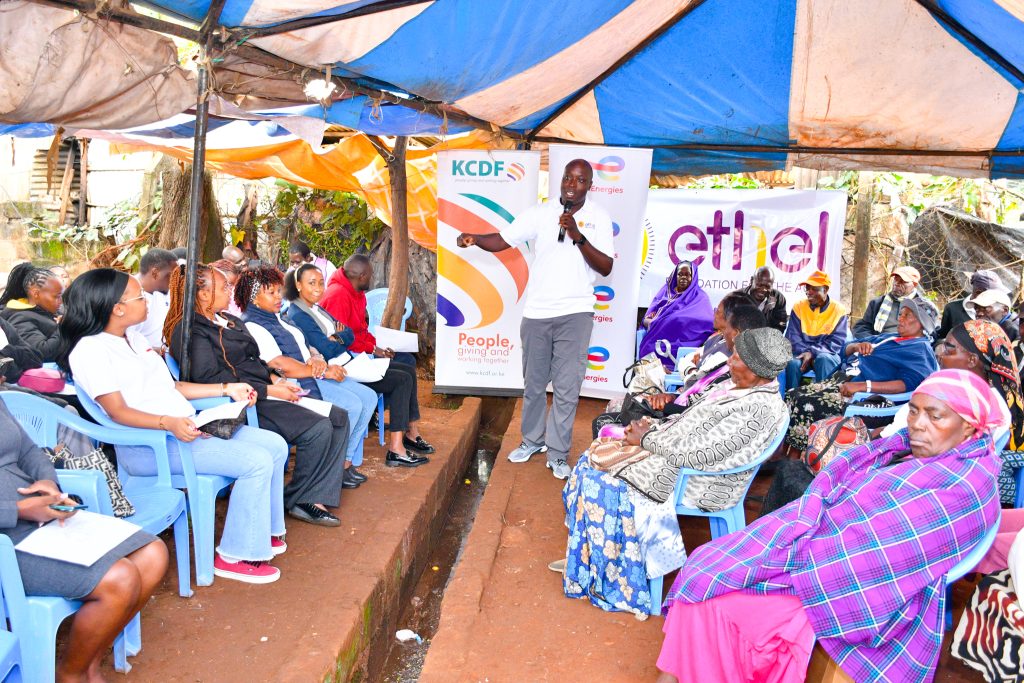
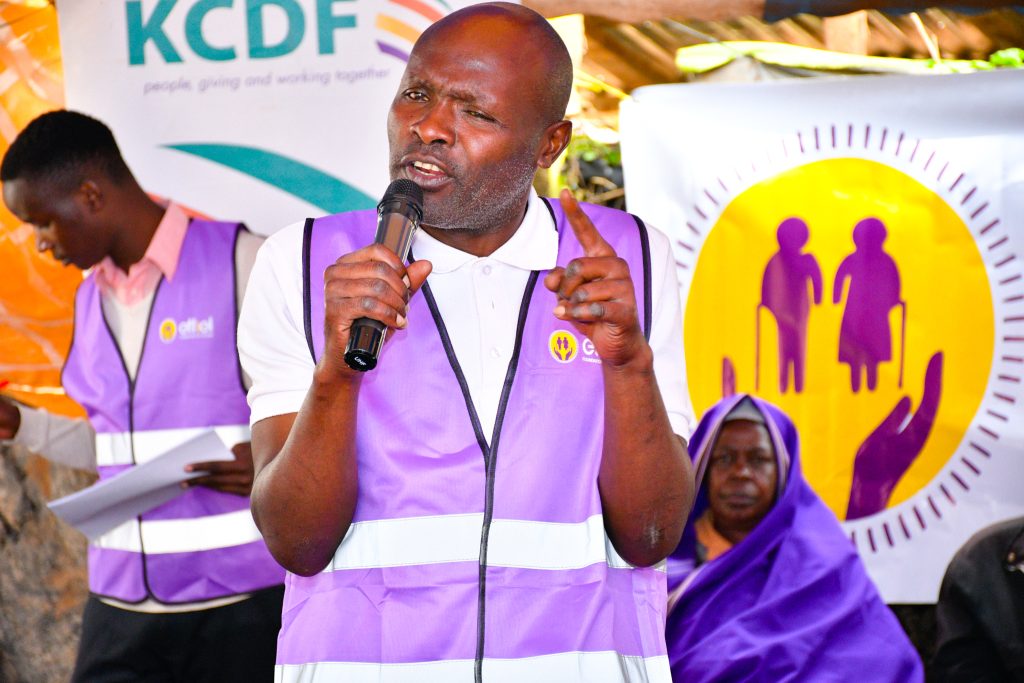
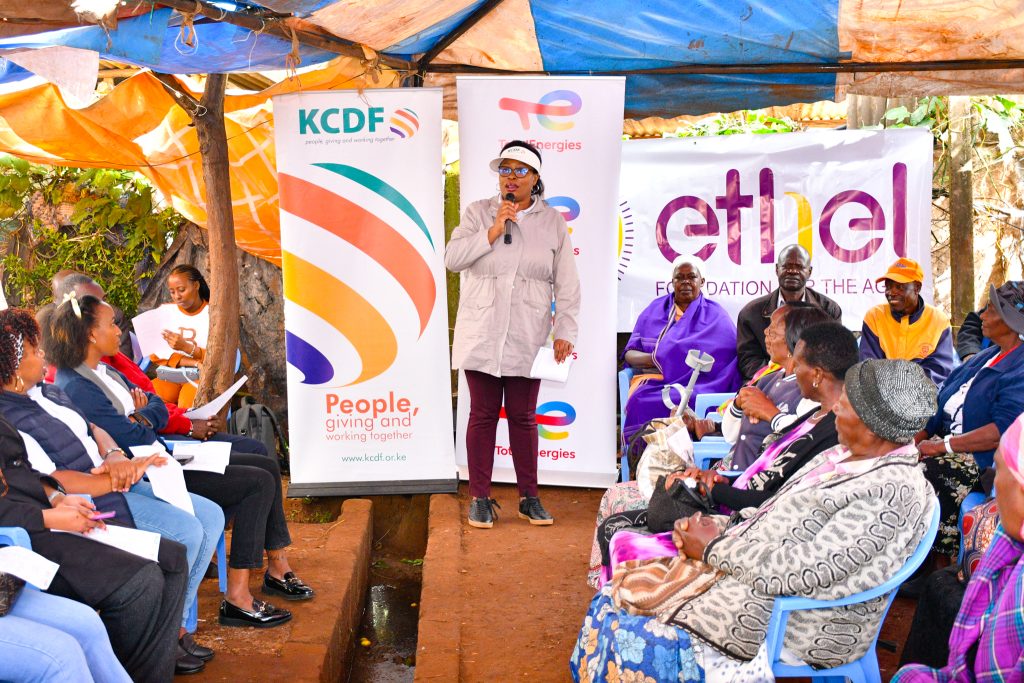
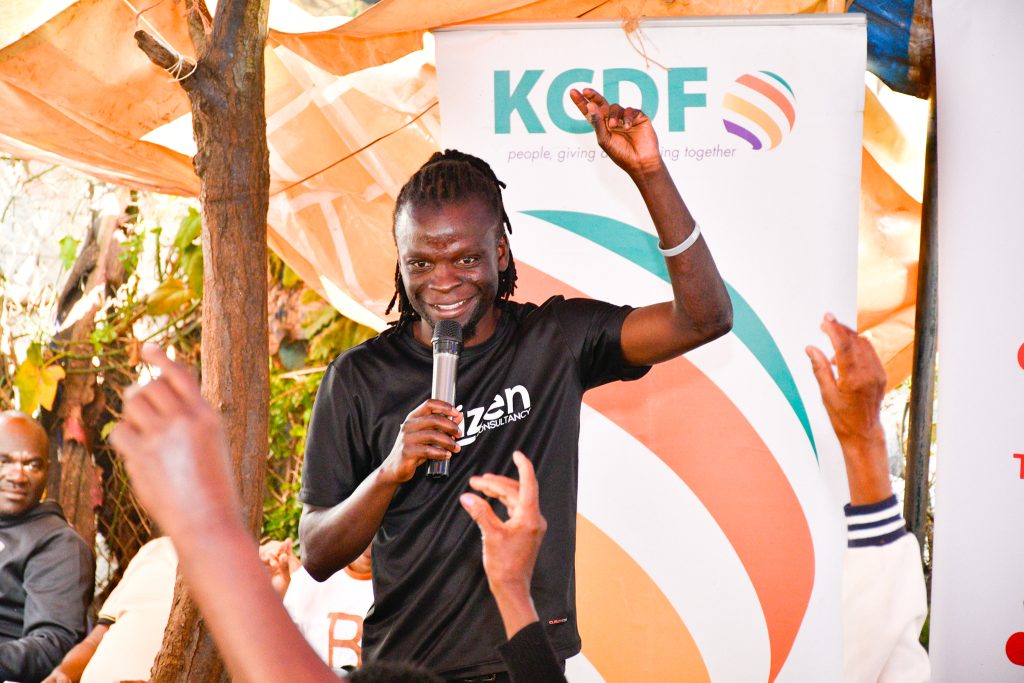
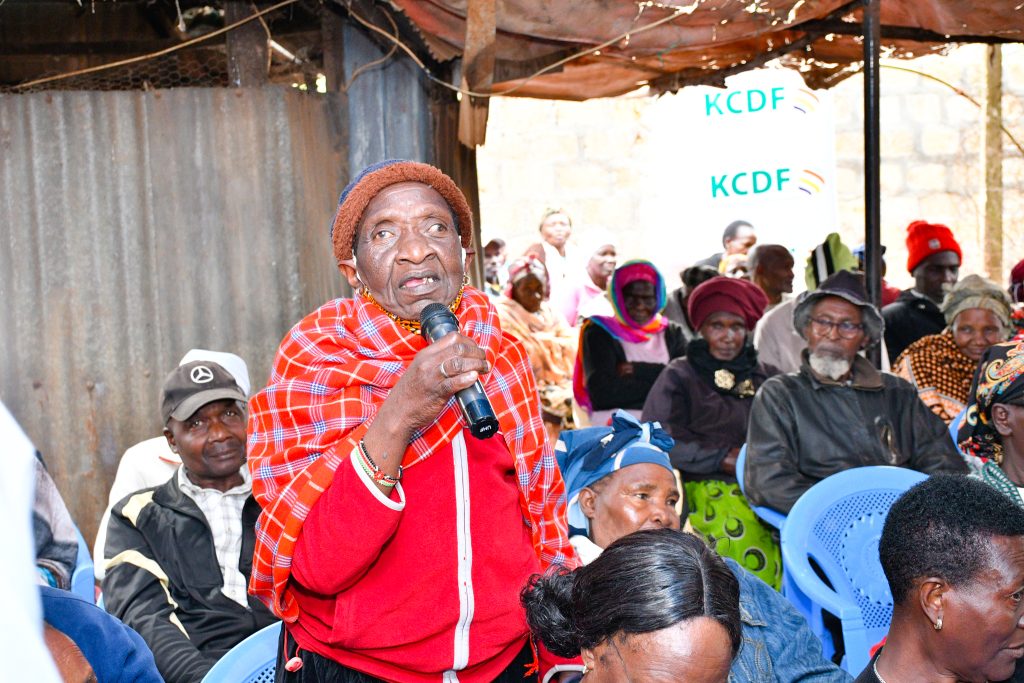
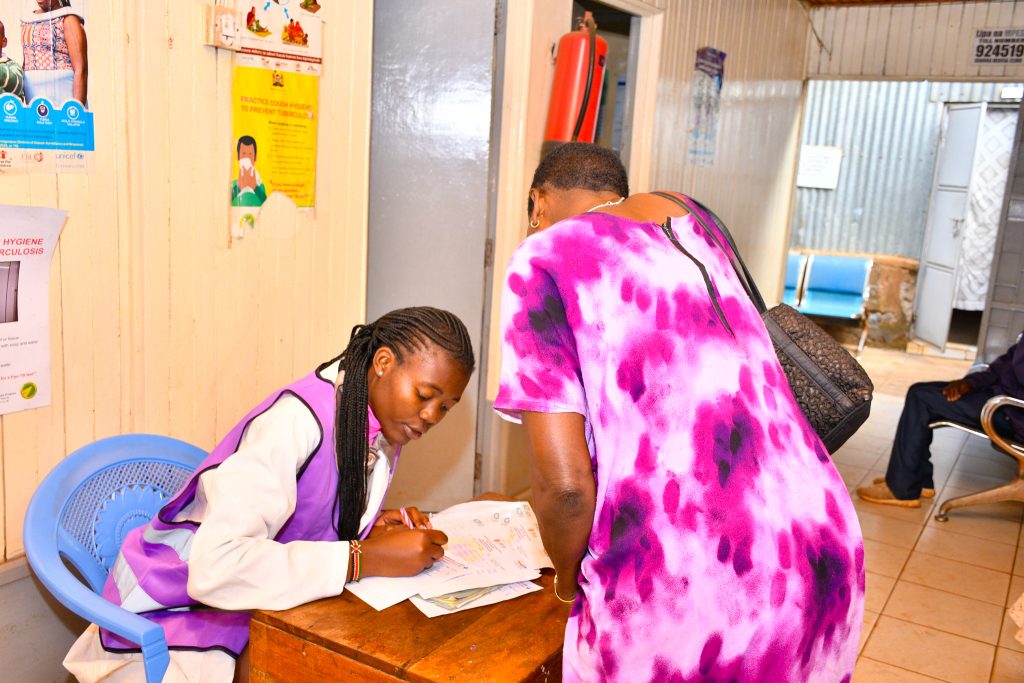
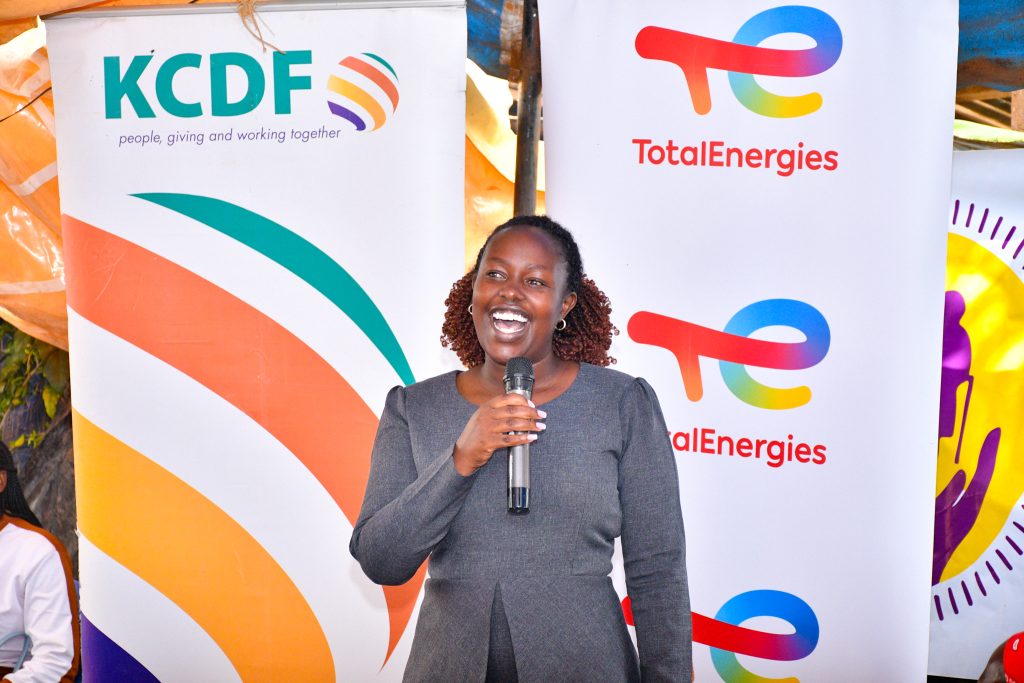
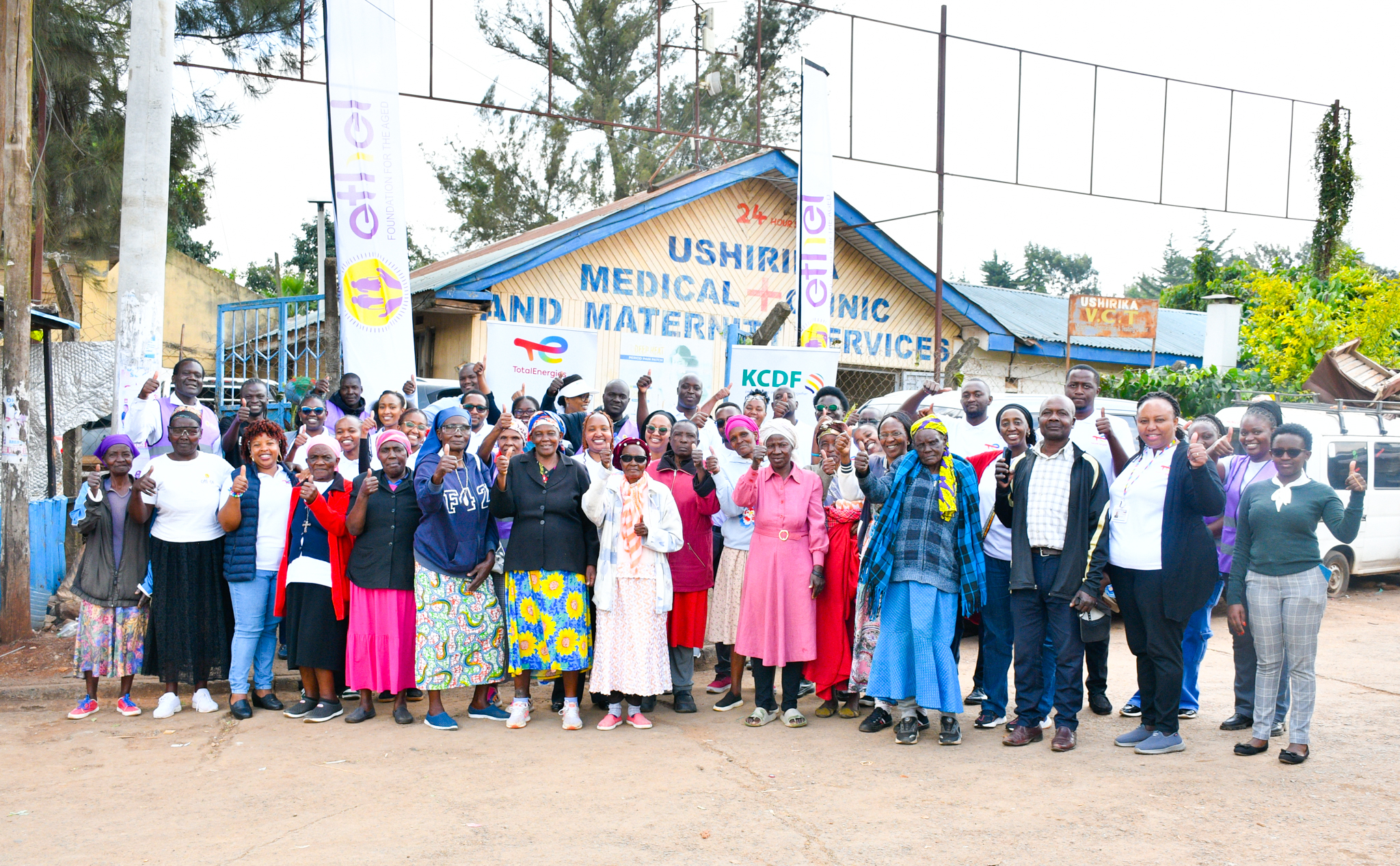
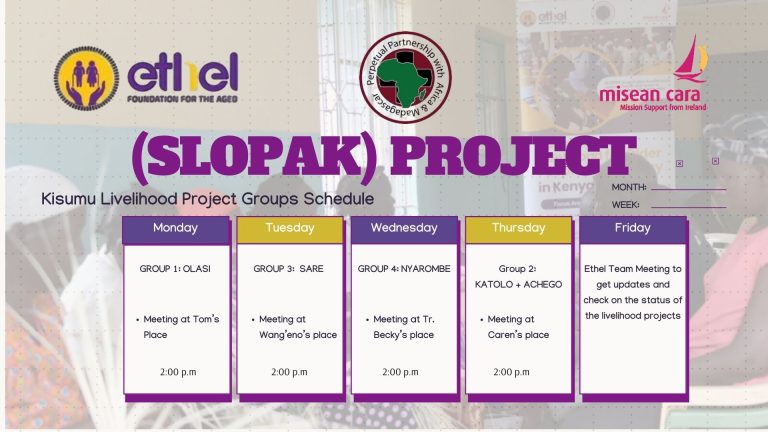
In Kisumu’s vibrant communities, SLOPAK project brings older persons together weekly for practical livelihood training.
These gatherings equip elders with, handicrafts, and financial skills suited to the regions’ markets.
This scalable model echoes Tanzania’s VICOBA success—70% financial independence in two years—advancing Kenya’s Older Persons Policy toward dignified ageing systems.
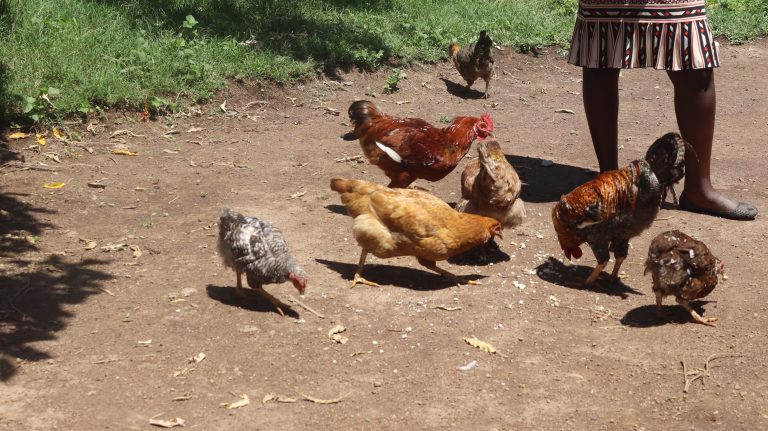
This week, we spent time in the field visiting beneficiaries of the Older Persons Livelihoods Project supported by KCDF. What we encountered was not simply programme implementation—it was a living demonstration of what becomes possible when dignity, structure, and opportunity are aligned. Across the different households and enterprises we visited, one thing was clear: older…
Stakeholders Validate a Compassionate Redemptorist Model for Older Persons Nairobi, Kenya – June 23, 2026 What begins as an encounter with a vulnerable older person can sometimes grow into a movement that transforms communities. This was the central message emerging from a validation workshop that brought together practitioners, government representatives, researchers, faith leaders, development partners,…

Access to clean water is about far more than drinking—it is about health, education, dignity, and opportunity. In Katolo Village, Kisumu, families spend hours each day searching for water, limiting their ability to learn, work, and thrive. Learn how Ethel Foundation for the Aged is working to provide a sustainable clean water solution for over 2,500 people and why your support can create lasting change.
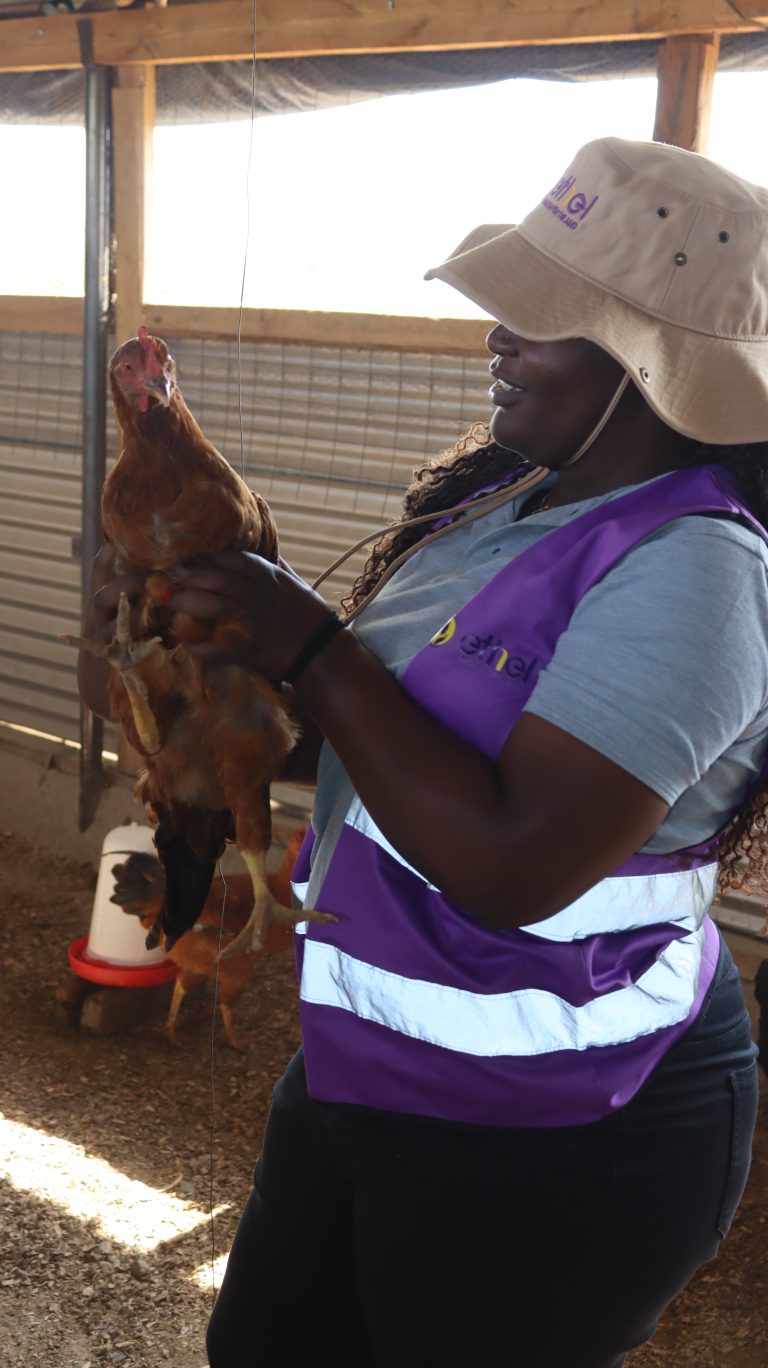
At the beginning of many livelihood programmes, participation often looks like engagement—but not yet ownership. People show up, receive support, and follow guidance, but the deeper shift is still unfolding quietly beneath the surface.
In the Ethel Foundation chicken livelihood programme, this was also the starting point. Over time, however, something began to change—not just in productivity, but in mindset. Participants moved from cautious involvement to active responsibility, and eventually toward a sense of ownership over what they were building.
What emerged was not only improved outcomes, but a deeper transformation: restored confidence, renewed dignity, and the return of agency in everyday life.
This is where livelihood work becomes more than support—it becomes systems-based change in how people see themselves and their future.
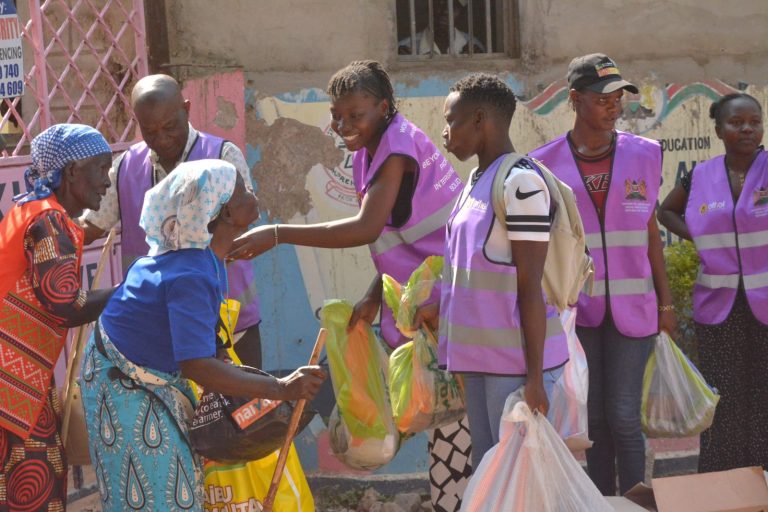
More than 1,300 people came together for the 2026 Day of the Older Persons and Grandparents, creating a powerful celebration of dignity, faith, community and belonging. For Ethel Foundation for the Aged, the gathering was more than a celebration—it was an opportunity to listen, learn and look ahead. As EFA strengthens partnerships, knowledge exchange and sustainable livelihood approaches, the experience reinforced a simple but important commitment: **older persons should not only be cared for, but respected, included and empowered to live with dignity.