EFA Highlights Older Persons’ Access to Justice at IDOP 2026
Ethel Foundation for the Aged | Advocacy and Policy Influencing
Access to justice involves more than knowing one’s rights. For older persons who experience violations, pursuing justice may require professional legal representation, sustained support and the ability to remain engaged throughout lengthy judicial proceedings.
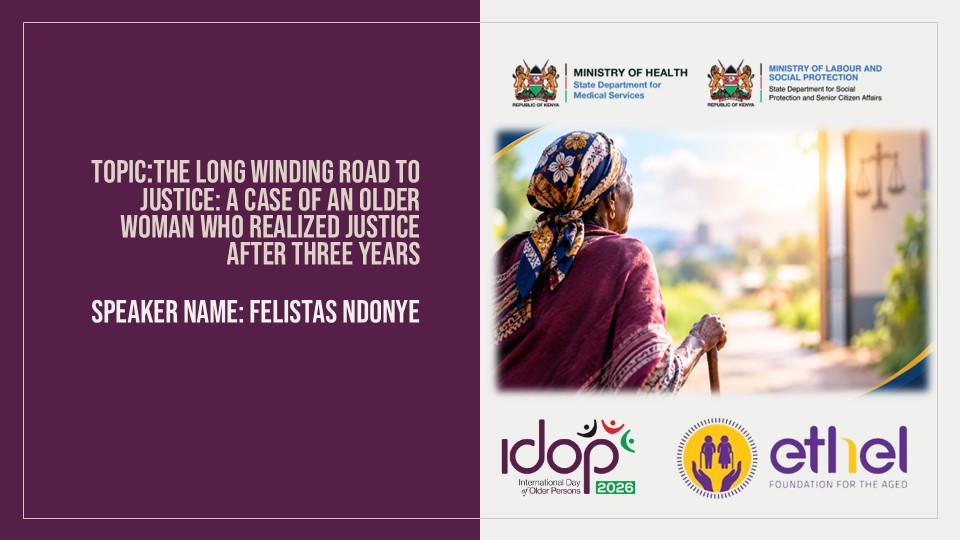
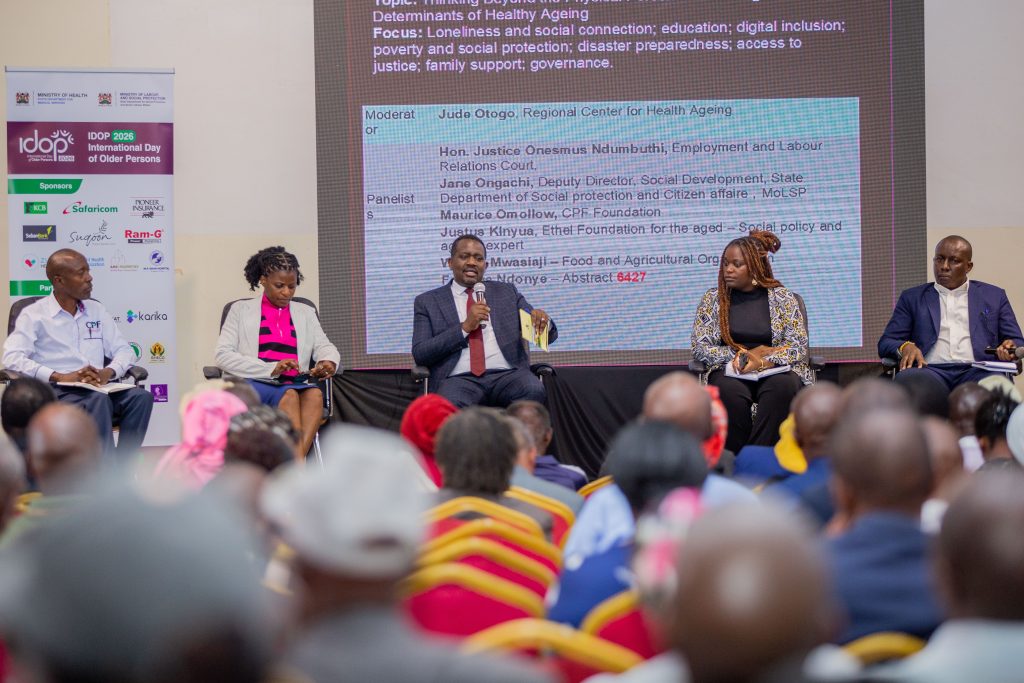
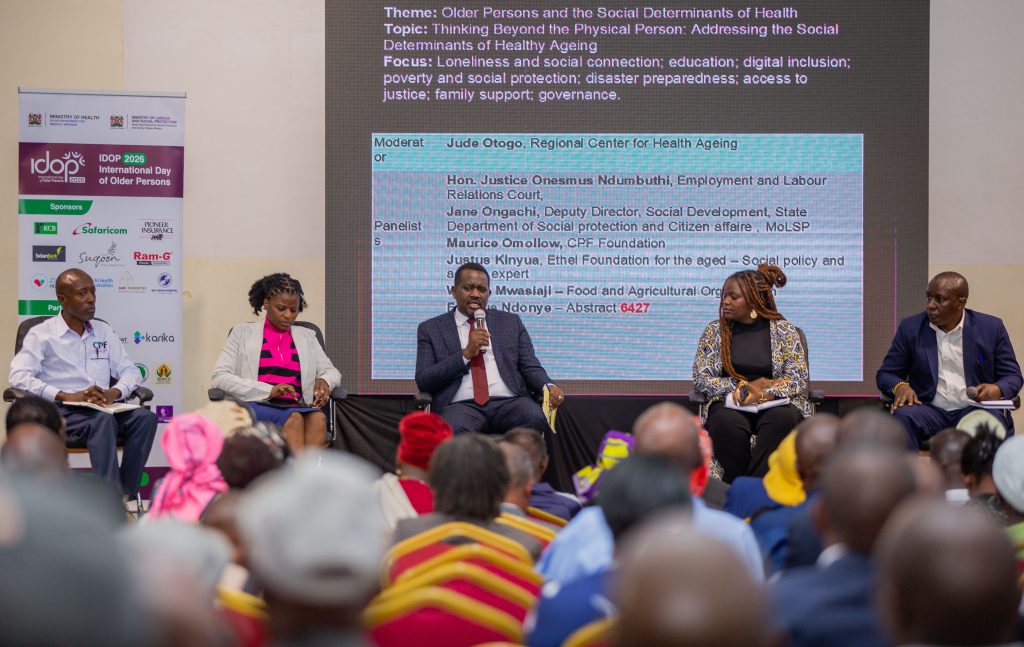
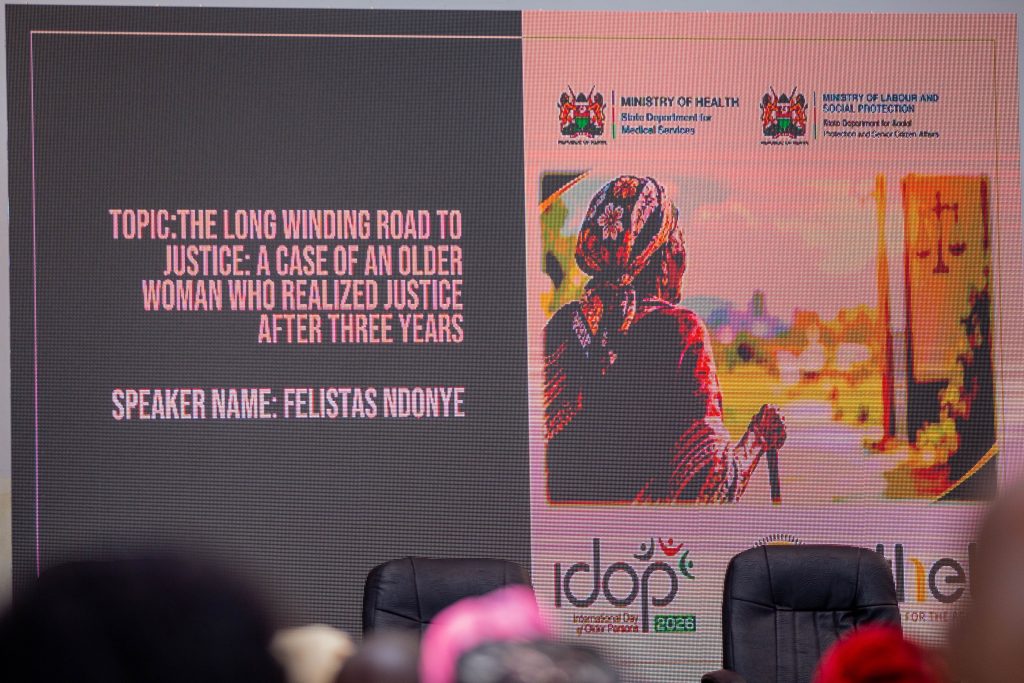
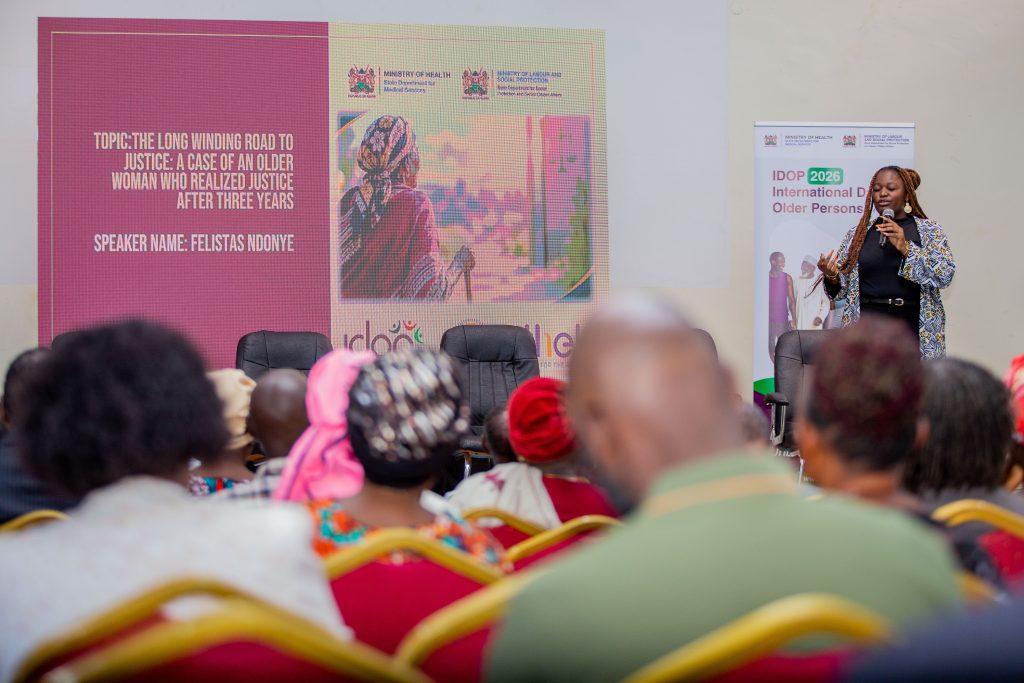
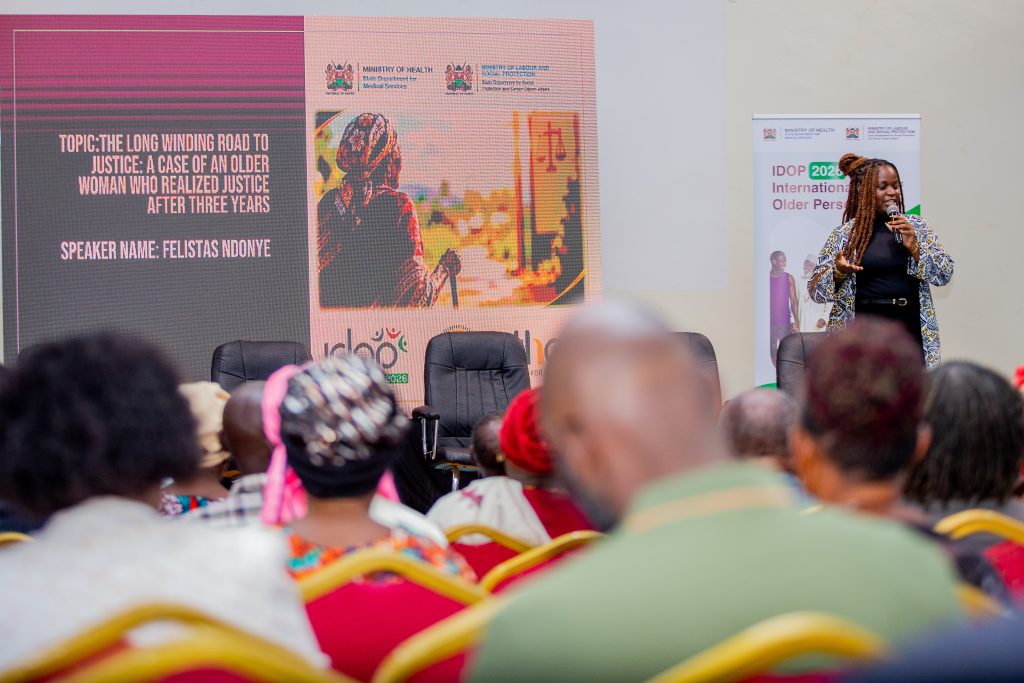
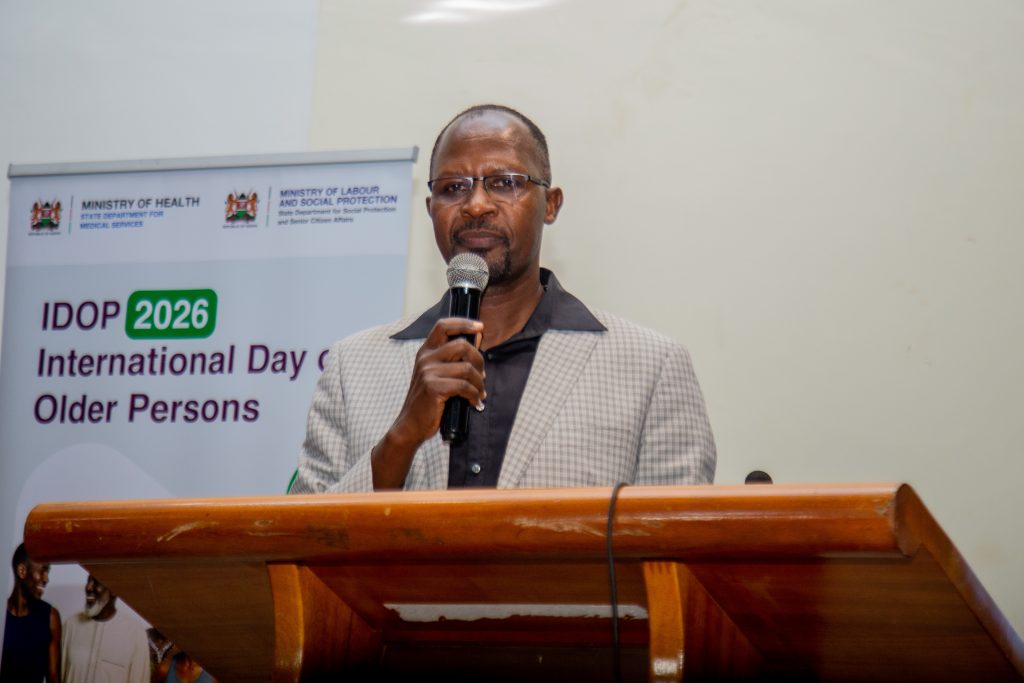
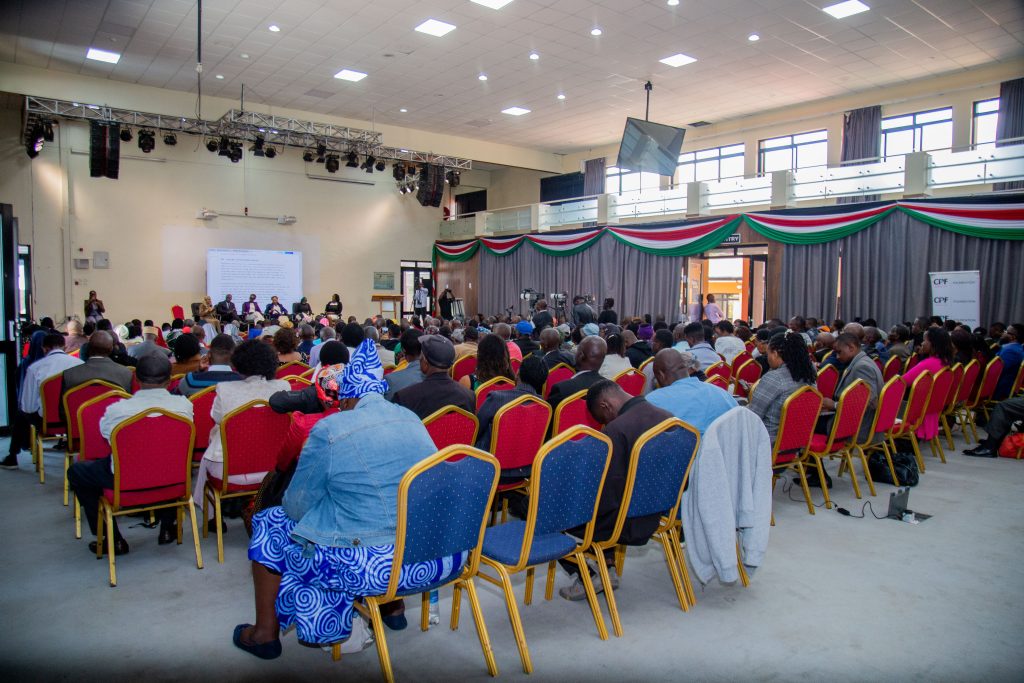
This was the central lesson of a presentation by Felistas Ndonye of Ethel Foundation for the Aged (EFA) at the International Day of Older Persons (IDOP) 2026 conference.
Titled “The Long Winding Road to Justice: A Case of an Older Woman Who Realized Justice After Three Years,” the presentation examined a practice-based case from Nakuru County, Kenya, highlighting the barriers an older survivor may face when seeking justice.
From reporting to case conclusion
The case entered the justice system in October 2022 and concluded in 2025. EFA’s intervention involved financing professional legal representation and providing sustained accompaniment throughout the process.
The experience illustrates a critical distinction: reporting a violation or receiving a referral does not necessarily mean that an older person can navigate the remaining stages of the justice process without continued support.
Financial constraints, limited legal awareness, mobility challenges, trauma, dependence and prolonged proceedings can make the pursuit of justice difficult.
For older survivors, these barriers can compound one another, increasing the risk of disengagement before a case reaches its conclusion.



Four lessons for age-responsive justice
Felistas’s presentation highlighted four practical priorities.
1. Invest in professional legal representation. Older survivors who cannot afford legal services may require financial support to access professional representation.
2. Sustain accompaniment. Support should extend beyond initial reporting and referral, particularly when proceedings are prolonged.
3. Strengthen coordination. Community organizations, legal professionals, justice institutions and support services need stronger collaboration to respond to older survivors’ needs.
4. Adapt legal-aid services. Legal assistance should respond to the realities of ageing, including mobility limitations, isolation, trauma and dependency.
These lessons point to a wider institutional responsibility: access to justice must be assessed not only by whether legal rights exist, but also by whether older persons can realistically exercise them.
Moving from awareness to action
EFA believes that older persons deserve dignity, security and protection from abuse, neglect and discrimination. Advancing these commitments requires accessible services, sustained support and systems that recognize the particular barriers older persons may encounter.
The case presented at IDOP 2026 offers a practice-based contribution to this discussion. It highlights the importance of continuity in legal support while reinforcing the need for age-responsive justice mechanisms.
As governments, civil society organizations, legal professionals and development partners consider how to improve access to justice, one principle should remain central:
Knowing your rights should be the beginning—not the end—of access to justice.
Ethel Foundation for the Aged will continue to promote the rights, dignity and wellbeing of older persons through advocacy, community engagement and efforts to strengthen institutional responsiveness.
Learn more about EFA: www.ethelfoundation.or.ke