From Encounter to Action
Stakeholders Validate a Compassionate Redemptorist Model for Older Persons
Nairobi, Kenya – June 23, 2026
What begins as an encounter with a vulnerable older person can sometimes grow into a movement that transforms communities.
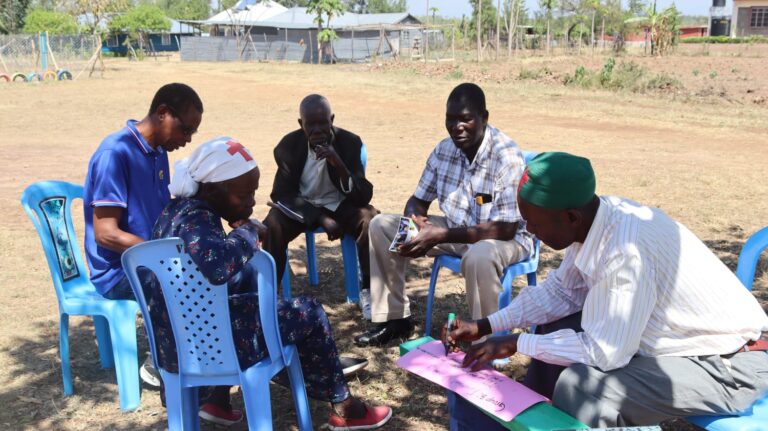
This was the central message emerging from a validation workshop that brought together practitioners, government representatives, researchers, faith leaders, development partners, and advocates from Kenya and India to review and strengthen a Learning Paper on Redemptorist Elder Care and Advocacy Programmes. The gathering sought not only to validate research findings but also to reflect on a deeper question: How can society better accompany older persons with dignity, compassion, and hope?
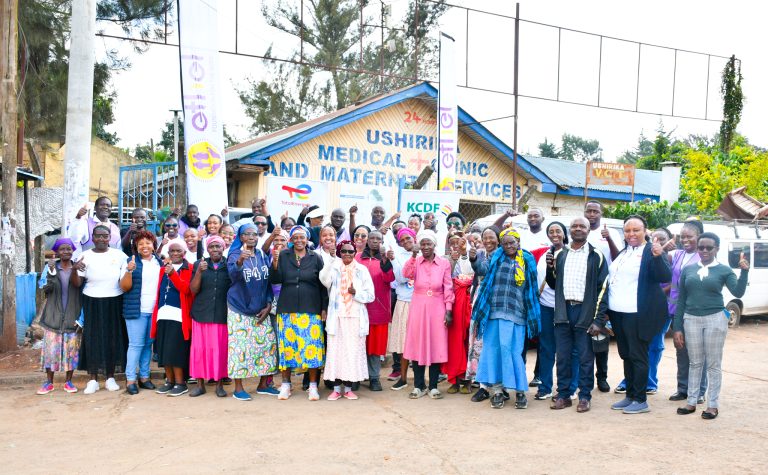
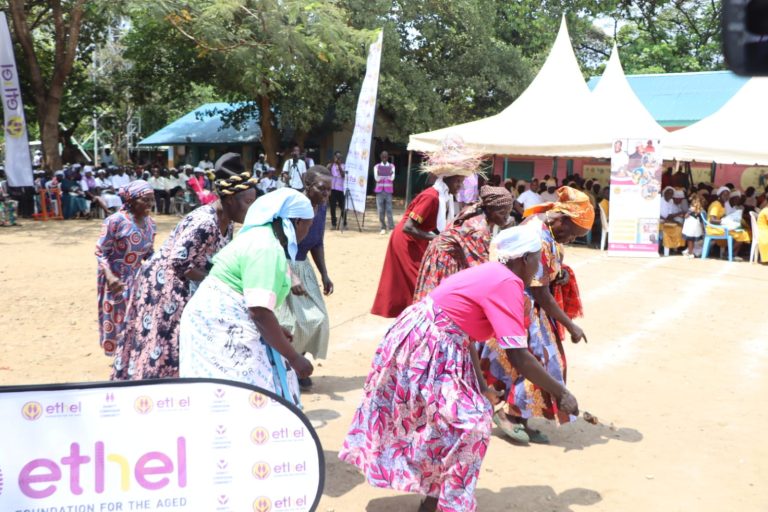
The workshop explored lessons from the Ethel Foundation in Kenya and the Alonsian Society in Kerala, India—two initiatives born not from strategic plans or institutional mandates, but from personal encounters with suffering and neglect. Participants reflected on how these encounters inspired a sustained commitment to stand alongside older persons facing loneliness, poverty, illness, abuse, and social exclusion.
In his opening remarks from Ireland, John Gerard O’Connor spoke movingly about the realities many families face as their loved ones grow older. Drawing from his own experience caring for his elderly mother, he highlighted the importance of preserving dignity, ensuring meaningful participation in decision-making, and resisting the tendency to marginalize older people within families and communities.
As the workshop unfolded, participants were reminded that ageing is no longer a future concern but a present reality. Across the world, the number of people aged 60 years and above is growing rapidly. Yet many older persons continue to experience isolation, economic hardship, inadequate healthcare, and weak legal protections. Discussions highlighted the urgent need to reimagine care systems that respond to these realities while recognizing the immense value older persons bring to society.
One of the strongest messages emerging from the learning paper was that loneliness remains one of the most widespread and least addressed challenges facing older persons today. Participants heard stories of older men and women whose greatest need was not financial assistance or medical treatment alone, but human connection—a visit, a conversation, a listening ear, and the reassurance that they still matter.
The workshop also recognized the extraordinary role played by caregivers and community volunteers. Often serving quietly behind the scenes, these individuals provide companionship, identify cases of abuse, support access to services, and accompany older persons through some of life’s most difficult moments. Yet despite their dedication, many caregivers continue to work without adequate training, emotional support, or recognition. Participants called for greater investment in the people who form the backbone of community-based care.
Several case studies presented during the workshop illustrated the transformative impact of compassionate care. Stories from Kenya and India demonstrated how older persons who once lived in isolation, poverty, ill-health, or fear were able to regain confidence, rebuild social connections, participate in community life, and recover a sense of purpose. These examples served as a powerful reminder that effective elder care is ultimately about restoring dignity and belonging.
Building on these lessons, participants reviewed and validated a proposed Redemptorist Elder Care and Advocacy Model anchored on four interconnected pillars: Rights and Advocacy; Integrated Community and Person-Centred Care; Psychosocial Well-being and Spiritual Care; and Economic Empowerment and Active Ageing. Together, these pillars seek to respond to the whole person—addressing practical needs while nurturing emotional, social, spiritual, and economic well-being.
Stakeholders further affirmed that meaningful elder care requires strong partnerships, effective systems, evidence-informed programming, and long-term sustainability. These themes were validated as essential foundations for ensuring that care efforts remain impactful and responsive to changing realities.
Throughout the discussions, participants repeatedly returned to a simple but profound principle: older persons should not be viewed as passive recipients of support. Rather, they are active members of society whose wisdom, experience, and contributions continue to enrich families, communities, and nations. The challenge is to create systems that recognize this value and enable older persons to live with dignity, purpose, and connection.
In the closing session, contributors reflected on the need to ensure that the final model remains accessible to ordinary people and rooted in compassion. Participants emphasized that while policies, frameworks, and systems are important, lasting change often begins with simple human encounters. It is through seeing, listening to, and accompanying vulnerable older persons that communities discover their responsibility to act.
As the workshop concluded, there was a shared sense that the validated model represents more than a programme framework. It is an invitation to build communities where older persons are not forgotten, where caregivers are supported, and where dignity remains at the centre of every response.
The journey from encounter to action continues.