

Learning from Our Older Persons Through Regular Field Visits
At Ethel Foundation, we believe that meaningful community development begins with listening.
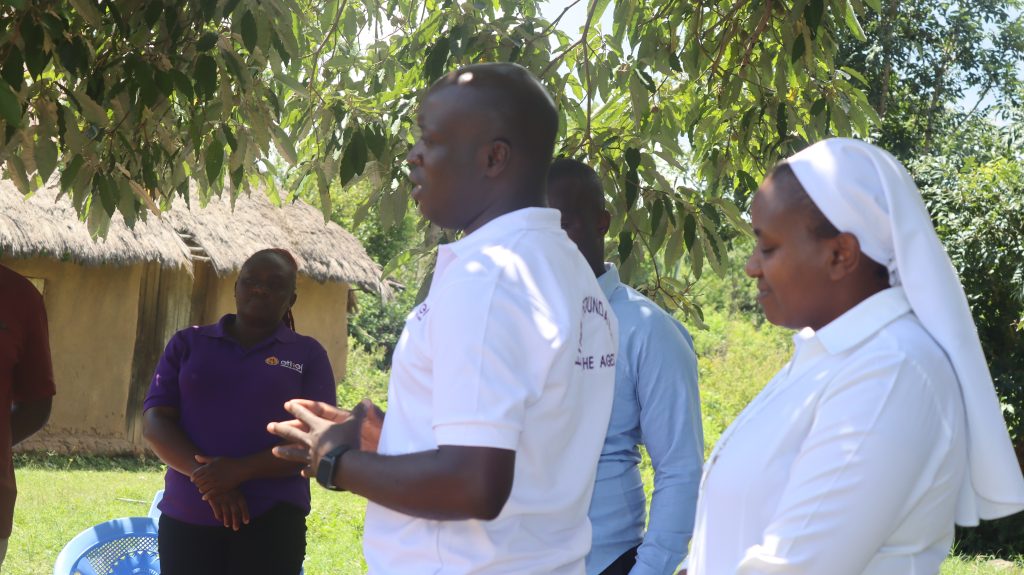
While reports, data, and progress indicators are important, they can never fully replace the value of sitting with people, hearing their stories, understanding their challenges, and celebrating their successes firsthand. This is why regular field visits to older persons participating in our programs remain a core part of our approach.
These visits are not special events or one-time assessments. They are an ongoing practice that helps us remain connected to the realities of the individuals and communities we serve. By spending time with older persons in their homes and communities, we gain a deeper understanding of how our programs are impacting their lives and where opportunities for improvement exist.

Moving Beyond Monitoring
Field visits provide an opportunity to go beyond measuring outputs and activities. They allow us to engage in meaningful conversations about lived experiences.
We ask questions such as:
- What aspects of the program have been most helpful?
- What challenges do participants continue to face?
- How can we strengthen our support and collaboration?
- What additional resources or opportunities would be valuable?
The answers often reveal insights that cannot be captured through routine reporting mechanisms. They help us identify emerging needs, understand changing circumstances, and ensure that our interventions remain responsive and relevant.
The Question of Dignity
One of the most important aspects of our visits is understanding how participants experience our programs beyond the services provided.
We intentionally create space to ask:
Do you feel respected? Do you feel heard? Do you feel valued?
For us, these questions are just as important as any economic or social outcome. Development should not only improve livelihoods; it should affirm dignity, strengthen inclusion, and recognize the inherent worth of every individual.
The feedback we receive helps us assess whether our work is being implemented in ways that uphold these values and where we need to improve.
Learning from Resilience
Every visit reminds us of the remarkable resilience, wisdom, and determination that older persons bring to their families and communities.
Many participants share stories of progress—improved livelihoods, strengthened social networks, increased confidence, and greater participation in community life. Others share the obstacles they continue to navigate and the support systems that help them move forward.
These conversations serve as important learning opportunities for our team and partners. They challenge assumptions, provide valuable perspectives, and strengthen the design of future interventions.
Building for Sustainability
Perhaps the most important conversation during our visits focuses on sustainability.
A key question guides our reflections:
What happens when Ethel Foundation is no longer present?
Our goal is not to create dependency but to contribute to lasting change. We therefore seek to understand how participants are building the skills, networks, relationships, and resources necessary to sustain their progress over time.
Whether through community support structures, savings groups, income-generating activities, peer networks, or strengthened family relationships, sustainable development requires local ownership and long-term capacity.
These discussions help us identify ways to strengthen resilience and ensure that progress continues well beyond the lifespan of any project.
Listening as a Commitment
At Ethel Foundation, field visits are more than a program activity. They are an expression of our commitment to accountability, partnership, and continuous learning.
The voices of older persons help shape our decisions, refine our programs, and guide our future direction. Their experiences remind us that effective development is not something done for communities, but something built with communities.
As we continue this journey, we remain grateful to the older persons who welcome us into their homes, share their stories openly, and partner with us in creating lasting impact.
Their voices continue to teach us, inspire us, and guide our work every step of the way.


