Healthcare, Nutrition & Holistic Wellbeing
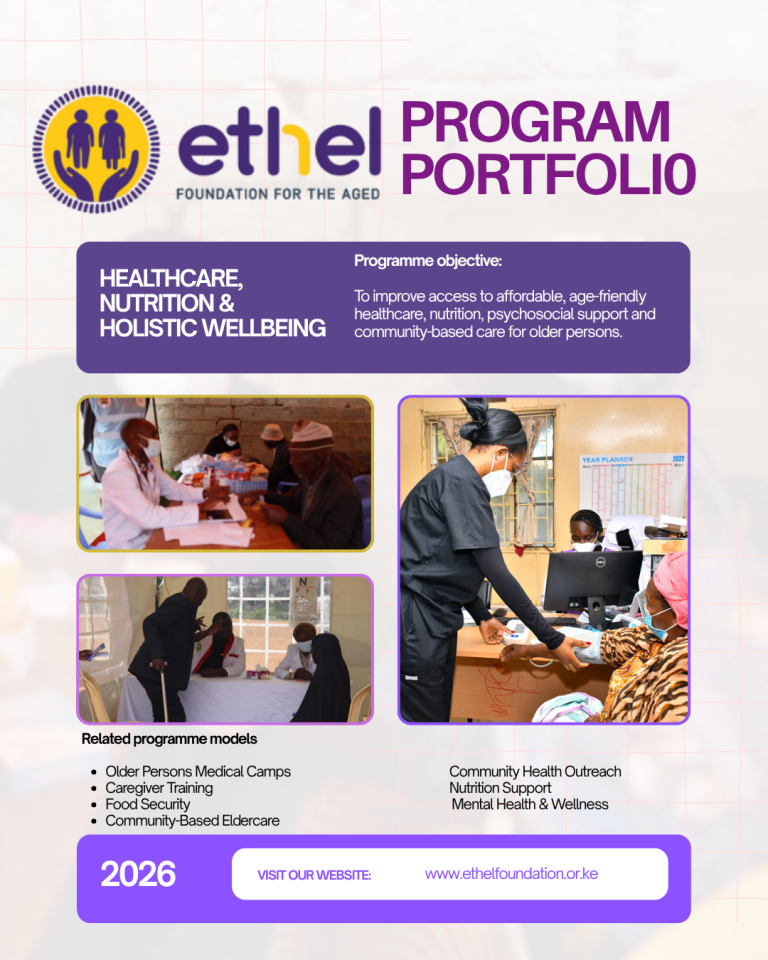
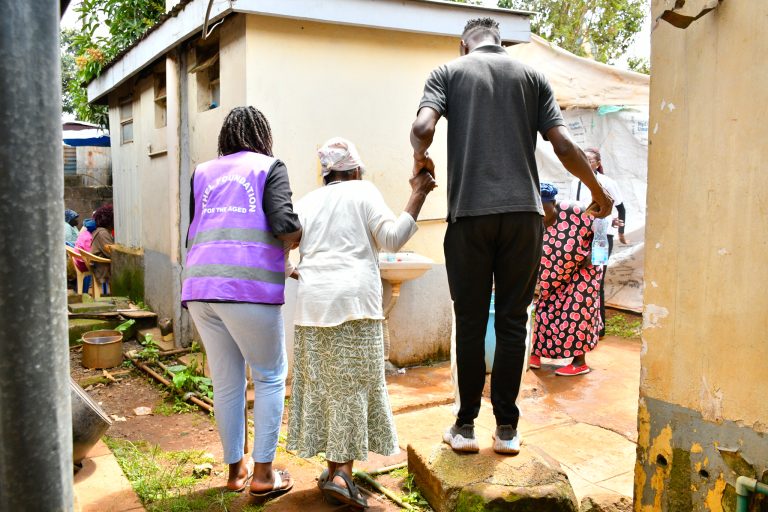
EFA promotes healthy ageing through age-friendly healthcare, nutrition, community-based eldercare, psychosocial support and caregiver capacity building for older persons.
Growing older should never mean becoming invisible. Across our communities, older persons continue to nurture families, preserve culture, and strengthen society, yet many face poverty, poor health, isolation, and neglect. At Ethel Foundation for the Aged, we believe ageing should be marked by dignity, purpose, and opportunity. Discover why investing in older persons is not just an act of compassion—it’s essential to building stronger, more inclusive communities for generations to come.
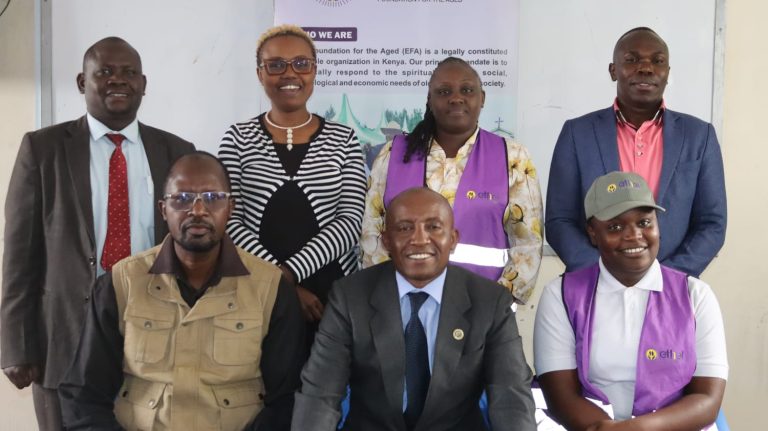
Following research and stakeholder engagement in Kenya and Kerala, India, Ethel Foundation for the Aged (EFA) and the Redemptorist Solidarity Office (RSO) are advancing to the validation phase of a cross-country learning process on elder care and advocacy. The forthcoming Validation Workshop will bring together key stakeholders to review findings, strengthen recommendations, and refine a proposed Redemptorist Elder Care and Advocacy Model aimed at promoting dignified, person-centred, and holistic care for older persons.
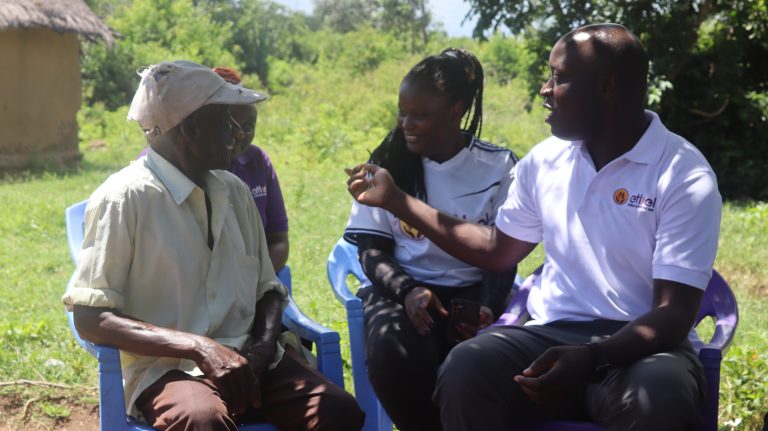
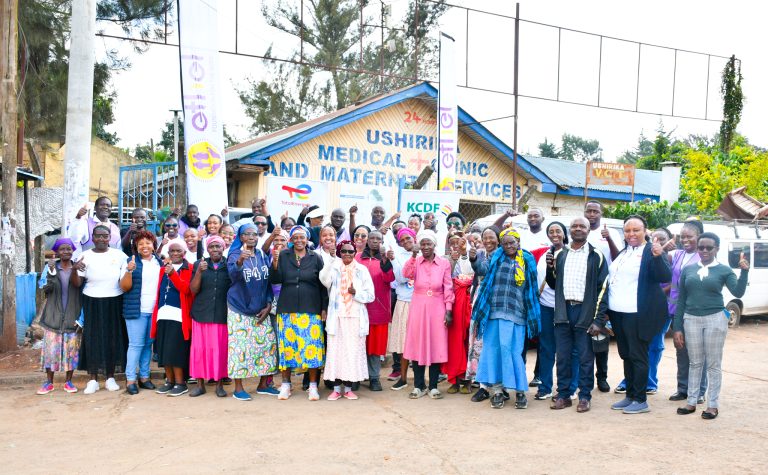
At Ethel Foundation, we believe that the most meaningful insights come directly from the people we serve. Through our regular field visits to older persons participating in our programs, we create opportunities to listen, learn, and grow together. These conversations help us understand what is working, identify areas for improvement, and ensure that participants feel respected, heard, and valued. Beyond measuring impact, we continually ask an important question: how can the progress achieved today be sustained tomorrow? By placing the voices of older persons at the center of our work, we strengthen our commitment to dignity, partnership, and sustainable community empowerment.
Dignified ageing in Kenya is increasingly being shaped by integrated approaches that combine advocacy, livelihoods, and legal empowerment. Recent work in Kisumu County demonstrates how engaging older persons as active participants in governance, while simultaneously strengthening their economic resilience and access to justice, can create more sustainable and impactful outcomes. As this model expands to new regions, it offers critical lessons for social work education and practice on the importance of building systems — not isolated interventions — to support ageing populations.
Policy alone is not impact. As our latest research reveals, bridging the gap between intention and lived reality is the defining challenge in advancing dignified ageing in Nairobi County.
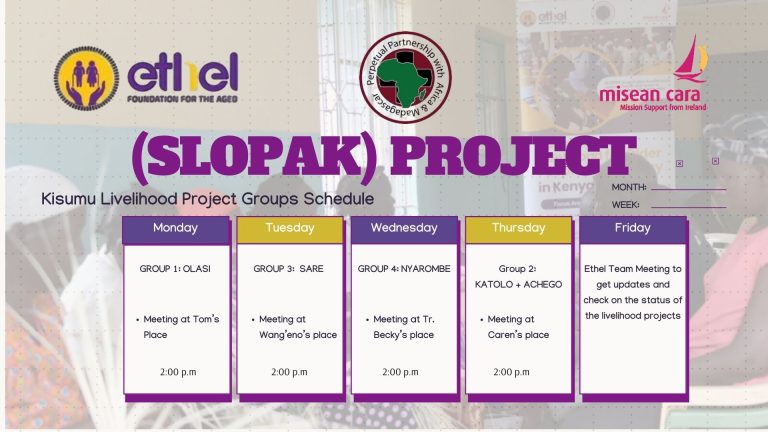
SLOPAK in Action: Kisumu’s Elder Livelihood Groups
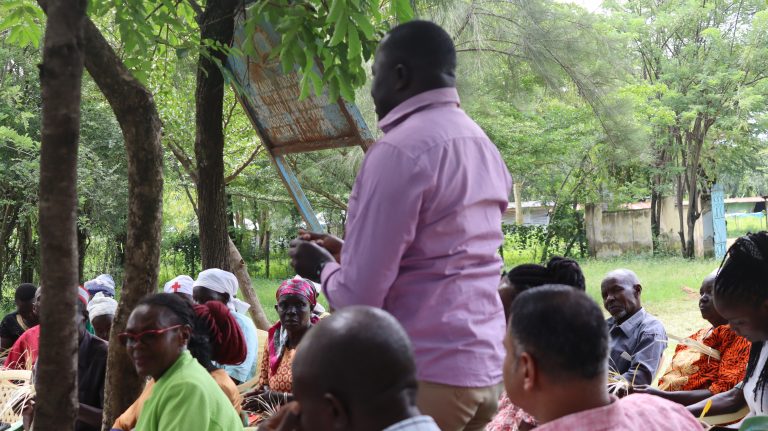
In Kisumu’s vibrant communities, SLOPAK project brings older persons together weekly for practical livelihood training.
These gatherings equip elders with, handicrafts, and financial skills suited to the regions’ markets.
This scalable model echoes Tanzania’s VICOBA success—70% financial independence in two years—advancing Kenya’s Older Persons Policy toward dignified ageing systems.
Responsible financial stewardship can be a catalyst for social transformation. When institutions align governance with community investment, they strengthen resilience, dignity, and long-term development outcomes for vulnerable populations — including widows and older women across Kenya.
Service charters are meant to guide citizens on what services are offered and what standards to expect. For many older persons, however, these charters remain inaccessible — written in unfamiliar language, displayed in unreadable formats, and disconnected from the realities of ageing. When information cannot be understood, seen, or accessed, dignity is compromised. Making service charters work for older persons is not about compliance; it is about designing systems that respect, include, and prioritize senior citizens.