From Celebration to Commitment: What the 2026 Day of Older Persons Taught Us
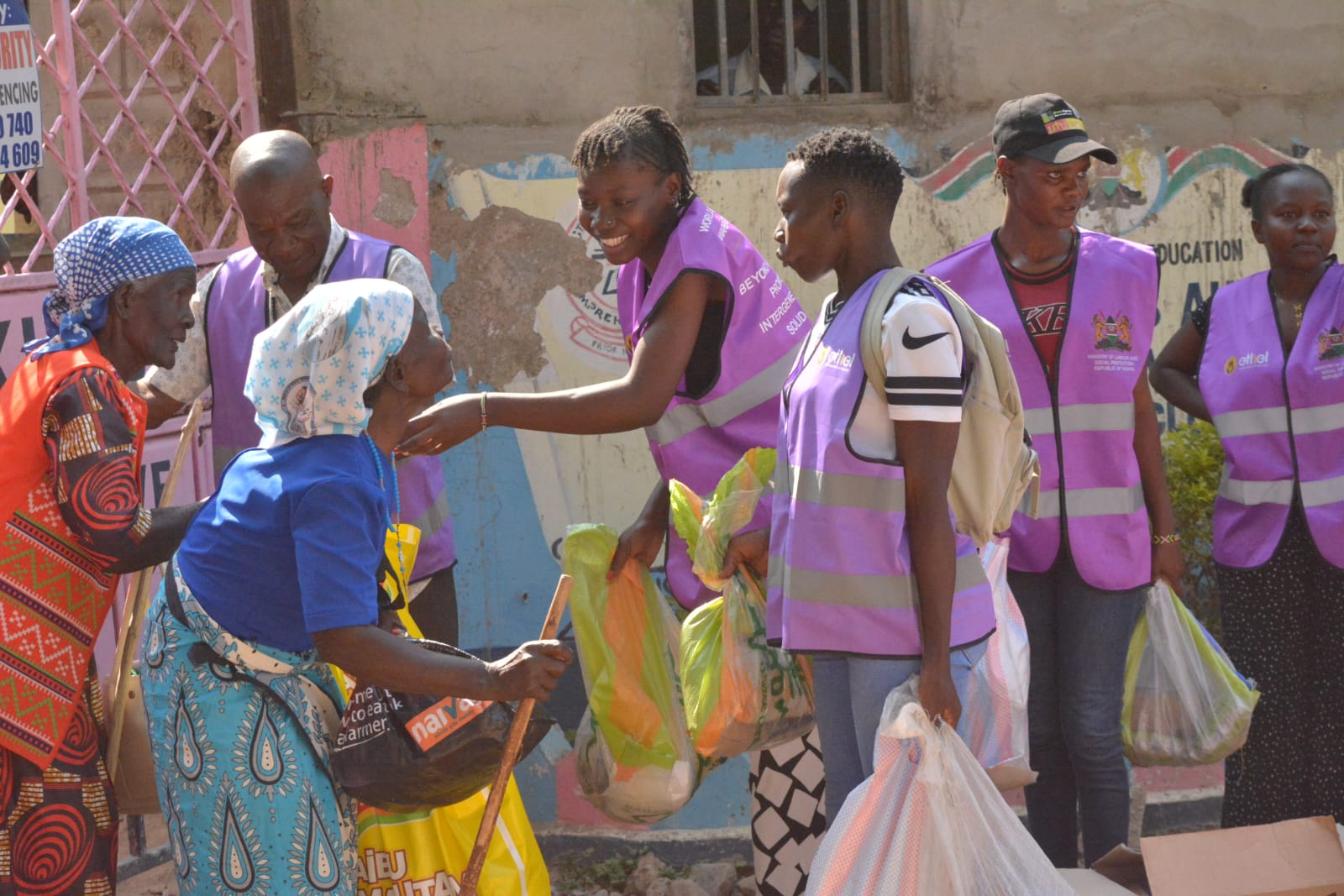
More than 1,300 people gathered to celebrate older persons and grandparents, but the real significance of the day went beyond the numbers. It was a reminder that dignity, belonging and meaningful participation should remain at the heart of how society responds to ageing.
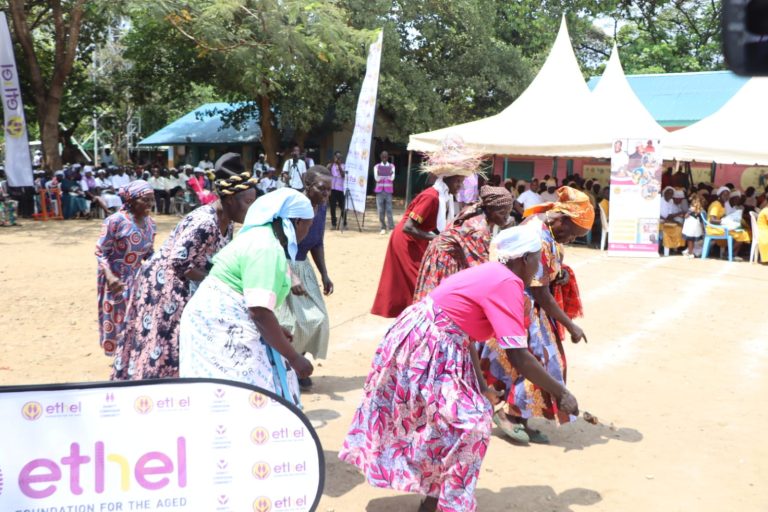
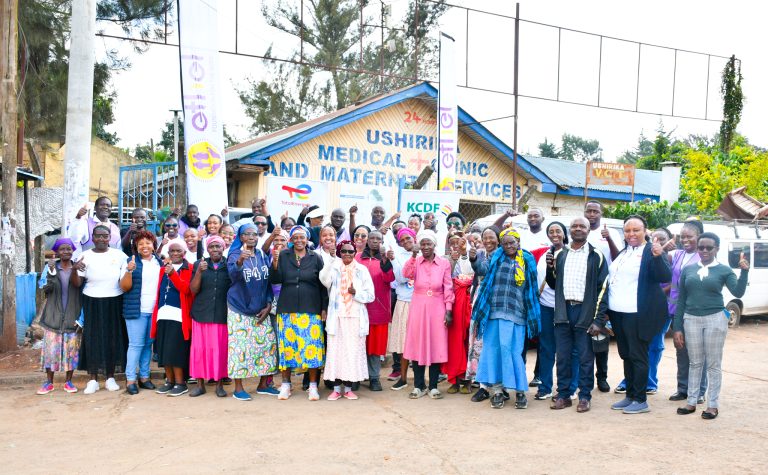
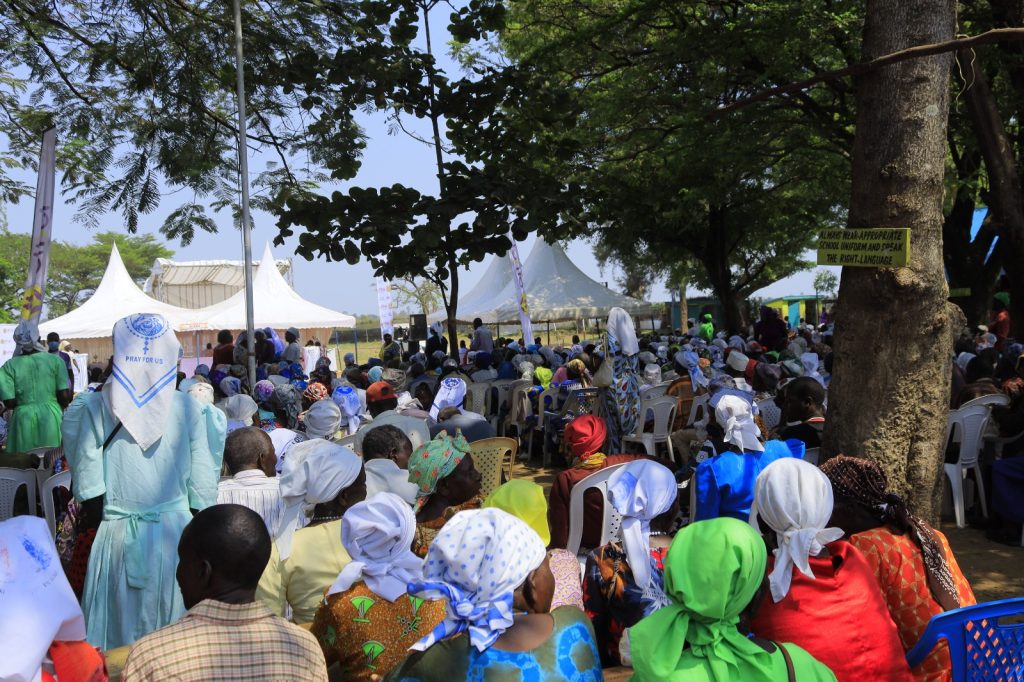
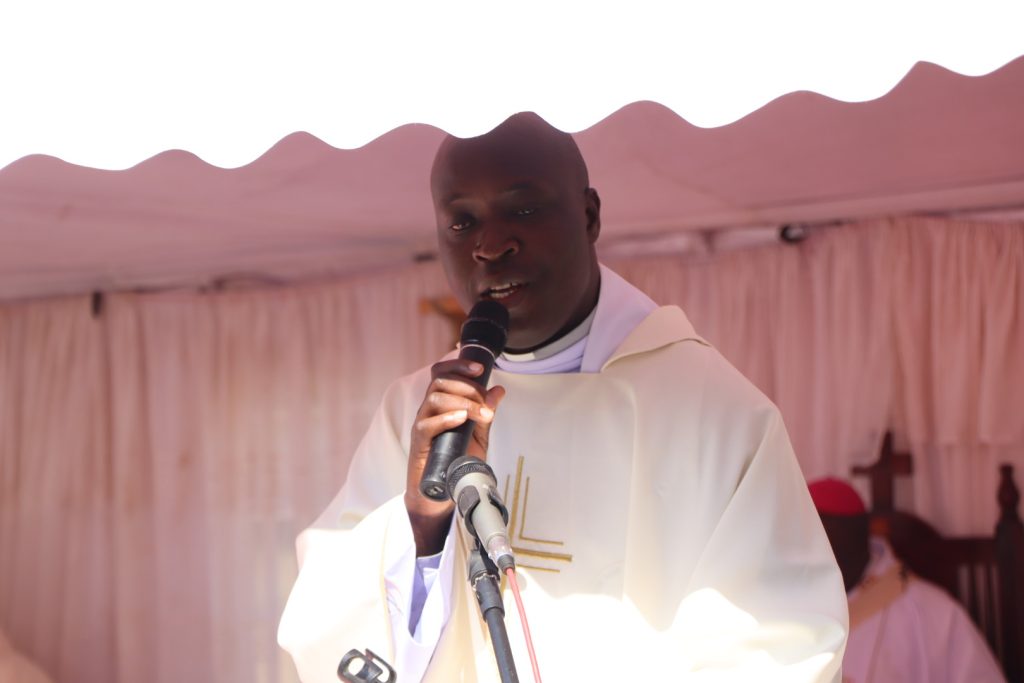
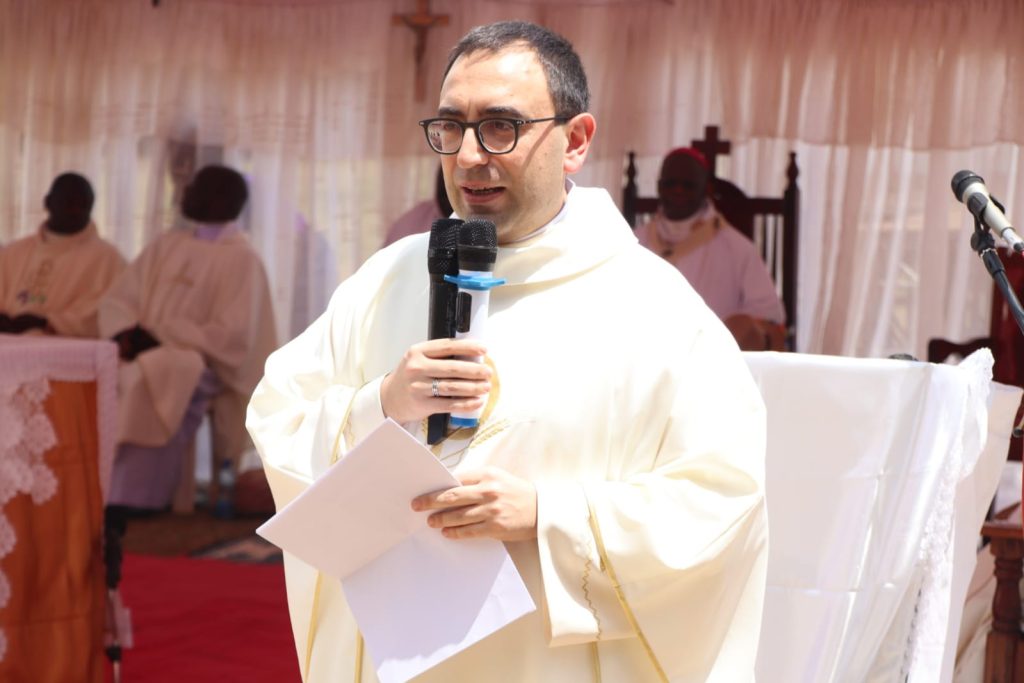
The 2026 celebration of the Day of the Older Persons and Grandparents brought together older persons, faith communities, volunteers, caregivers, community members and other stakeholders for a day of prayer, connection and celebration.
For Ethel Foundation for the Aged (EFA), the gathering was an opportunity to affirm something at the centre of our work: older persons deserve to be seen, heard, respected and valued—not because of what they can give, but because of their inherent dignity.

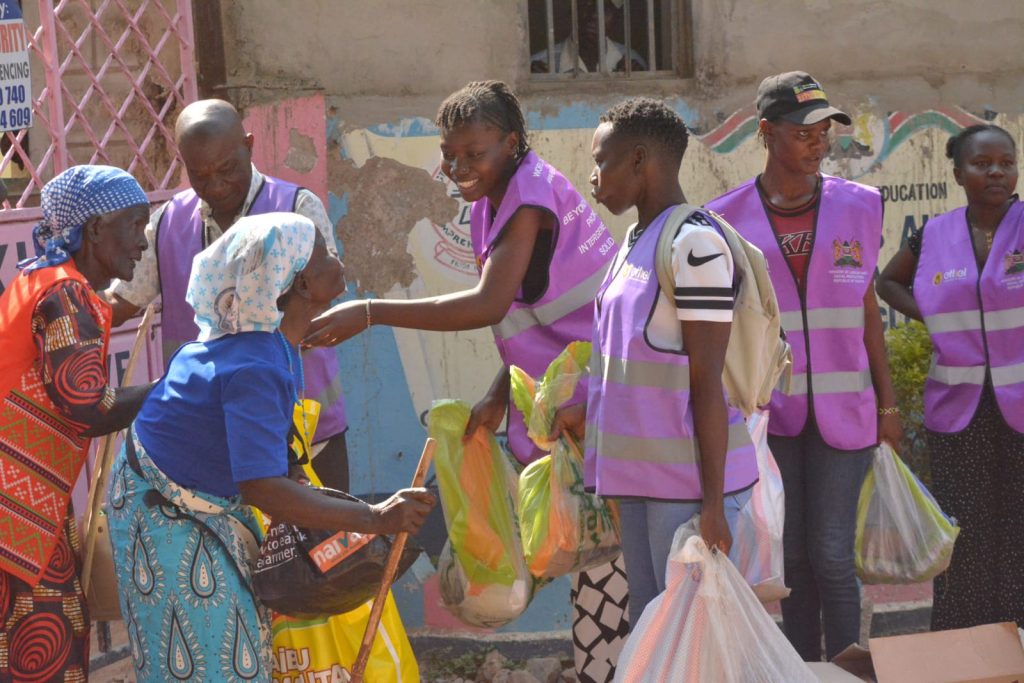
A gathering that exceeded expectations
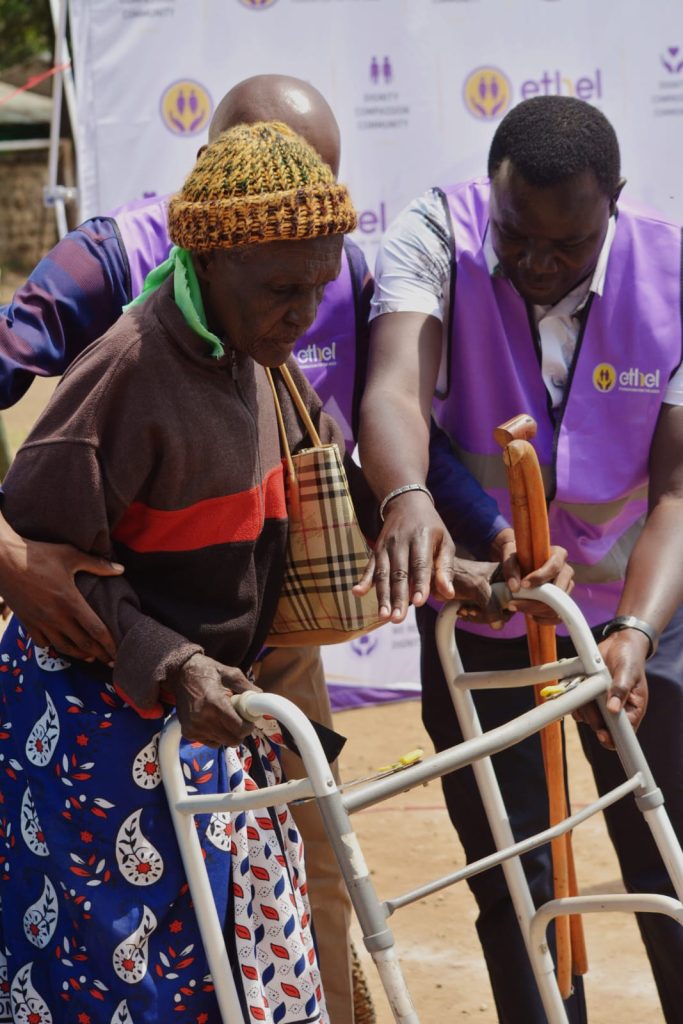
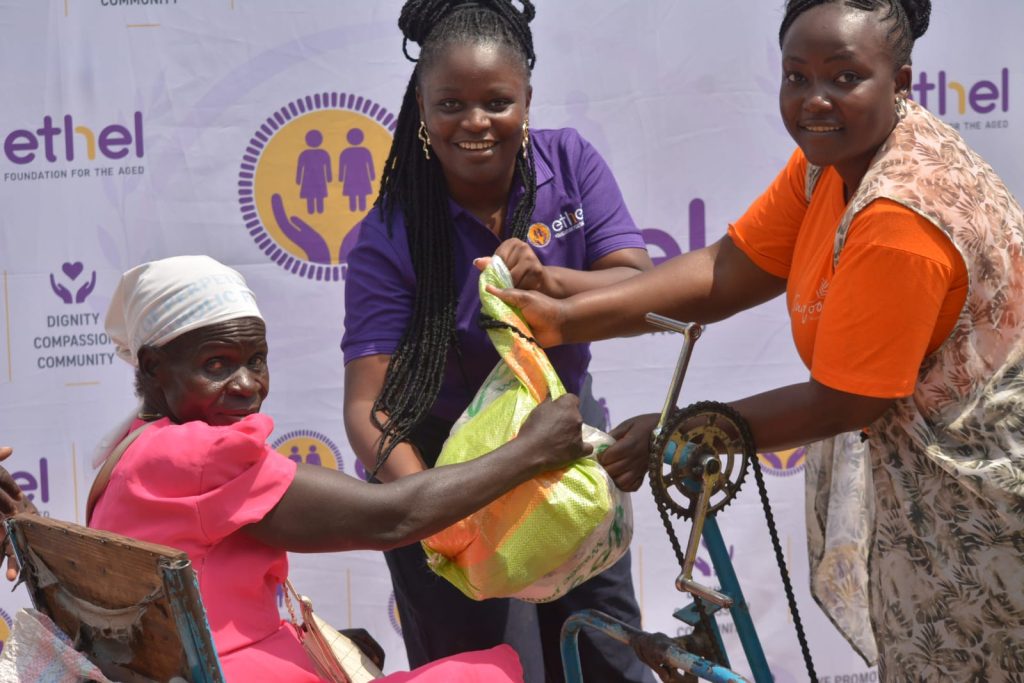
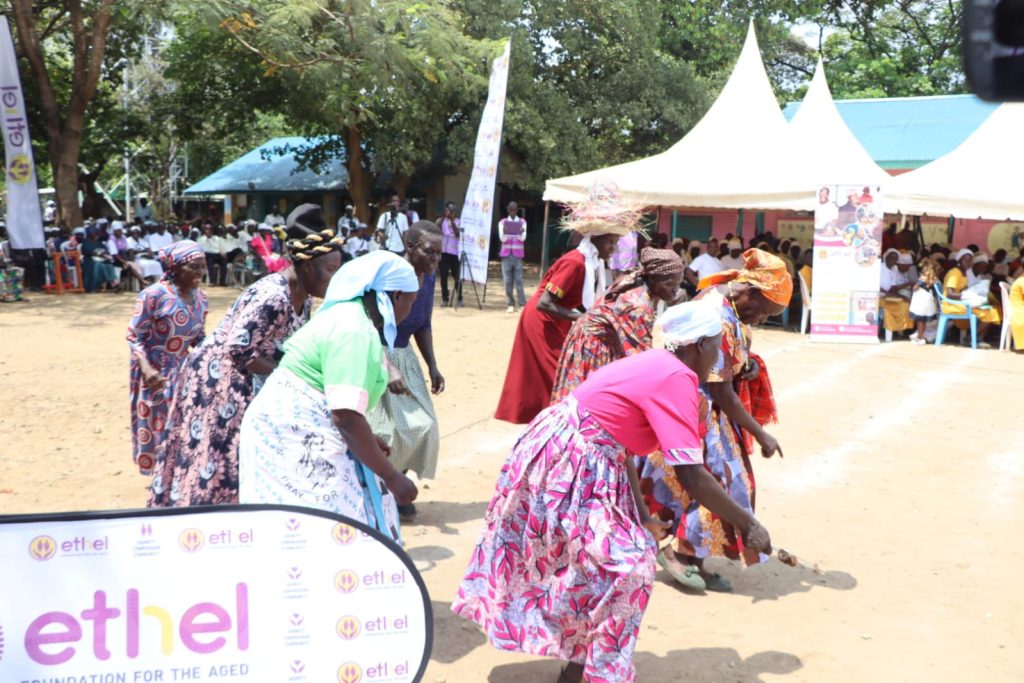
The event welcomed more than 1,300 participants, demonstrating the strong desire among older persons and communities for spaces where they can come together, connect and celebrate.
The larger-than-expected attendance also required the team to adapt. A change of venue helped accommodate the growing number of participants and ensured that the celebration could continue in a suitable environment.
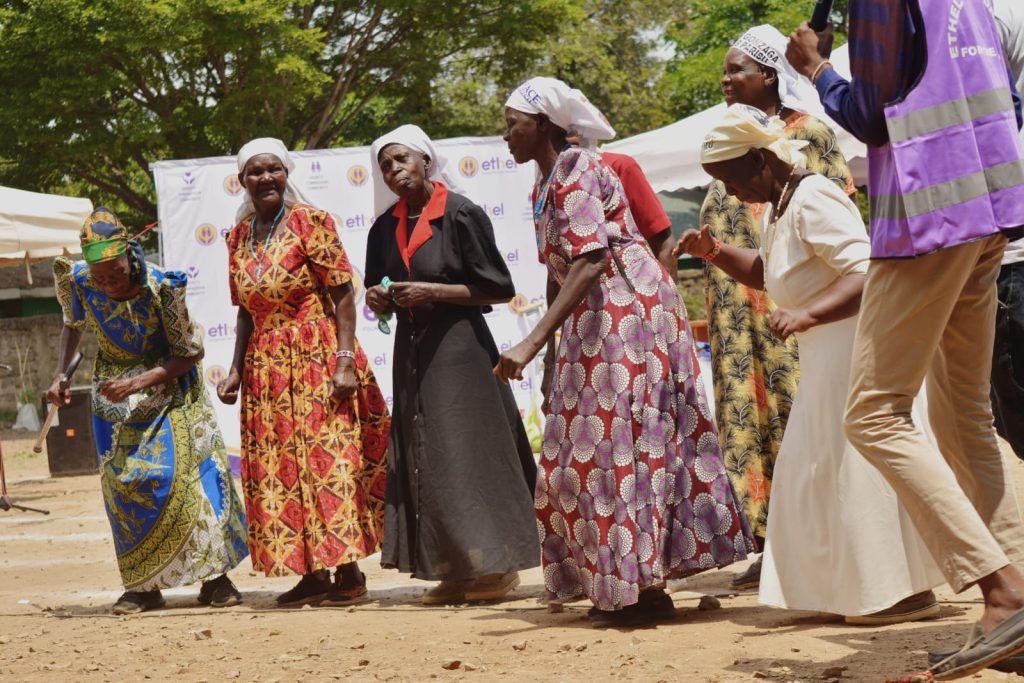
Yet, beyond the logistics was something more important—the visible joy and sense of belonging among the older persons who came together.
For many, such gatherings provide more than an opportunity to receive support. They create opportunities to reconnect with friends, participate in community and faith activities, share experiences and simply feel remembered.
Beyond an event: listening and learning
Every community event provides an opportunity to learn.
The experience highlighted the importance of continually strengthening communication, coordination, accessibility and documentation when designing programmes for older persons. These lessons will inform EFA’s future activities as we work to make our programmes increasingly inclusive and responsive.
We also recognise that older persons do not exist in isolation. Their wellbeing is closely connected to caregivers, families, young people, faith communities and local institutions.
Strengthening these relationships is therefore essential to building communities where ageing is supported collectively.
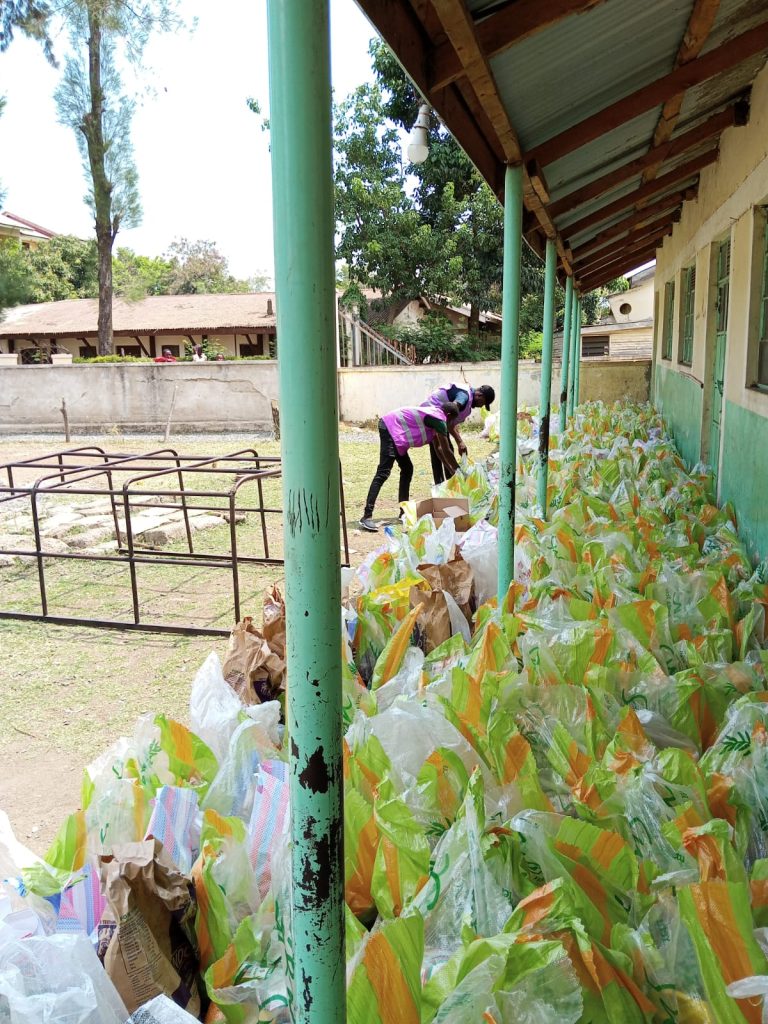
Moving from short-term support to sustainable solutions
One of the important conversations emerging from the experience is the need to strengthen sustainable programmes for older persons.
While humanitarian assistance and charitable support remain important, particularly for older persons experiencing poverty and vulnerability, long-term dignity requires more.
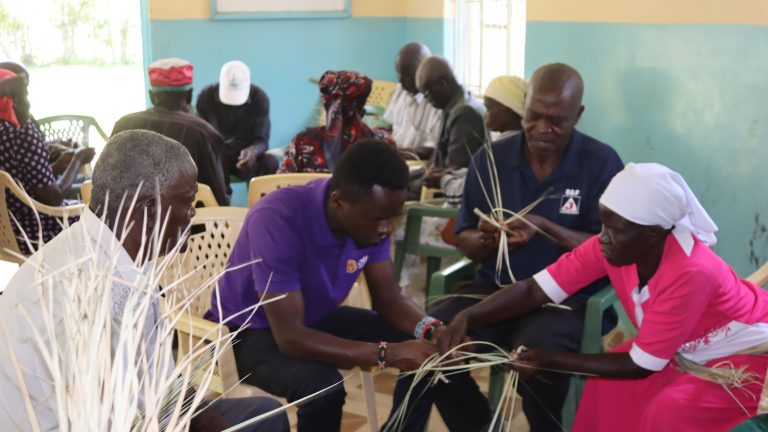
Older persons need opportunities to participate in livelihoods, access appropriate social and economic support, contribute their knowledge and skills, and remain active members of their communities.
This is why EFA is increasingly interested in approaches that combine social protection, livelihoods, capacity strengthening and community-based support.
The question is not simply, “How can we help older persons today?”
It is also:
“How can we build systems and opportunities that enable older persons and their communities to thrive tomorrow?”
Building knowledge through partnership
As part of this forward-looking approach, EFA is developing an emerging collaboration with Jum Takatifu focused on knowledge exchange and capacity building.
The organisations intend to explore virtual learning sessions that can provide an accessible and cost-effective platform for sharing experience, strengthening organisational practice and identifying areas of common interest.
An important area of focus will be sustainable income-generating programmes for older persons and strengthening the capacity of caregivers and community actors involved in supporting them.
Such collaboration reflects EFA’s belief that sustainable change rarely comes from one organisation working alone. It grows when organisations share knowledge, learn from experience and combine their strengths.
Keeping older persons at the centre
The celebration also reinforced the importance of keeping older persons at the centre of decisions that affect their lives.
Too often, older persons are viewed primarily through the lens of vulnerability and dependency. While many experience poverty, poor health, isolation or limited access to services, this is only part of the story.
Older persons are also parents, grandparents, caregivers, workers, farmers, mentors, community leaders, custodians of knowledge and active members of society.
A dignified approach to ageing must therefore go beyond providing assistance. It must create opportunities for participation, voice, connection and contribution.
From one day to a continuing commitment
The Day of the Older Persons and Grandparents may be marked on a particular day, but the responsibility to uphold the dignity of older persons does not end when the celebration is over.
At Ethel Foundation for the Aged, we see the event as part of a much longer journey—one that requires stronger communities, sustainable programmes, meaningful partnerships and continued advocacy for the rights and wellbeing of older persons.
The smiles and connections witnessed during the celebration are worth remembering. But they should also challenge us to ask what more we can do after the event.
How can we ensure that an older person feels valued not just on a special day, but every day?
That is the work ahead.
And it is work that requires all of us—families, communities, faith organisations, government, civil society, development partners and older persons themselves—to build a society where ageing is accompanied by dignity, inclusion, care and belonging.
Ethel Foundation for the Aged
Dignity. Community. Stewardship.
Because every older person deserves to know that they are seen, valued and never forgotten.