The Old Person And His Life History

The older a person is, the longer his life history. You may be amazed at the stories they can tell about themselves and their lives. You may want to salute or thank the old man who served his country in the military in World War II, Korea, or Vietnam. He can be proud of his accomplishments when someone acknowledges them.

The old lady may have devoted her life to raising a family. By the time she is elderly, some of her children may have passed away. While these losses may be difficult to understand, it is enough to bring tears to your eyes. In contrast, she may have been one of the rare women in her generation who had a wonderful career. She is proud of what she has done with her life, even if it was decades in the past.

You may find other surprises in the elderly population, too. Perhaps the person who appears idle or tired enjoyed some degree of fame in the past. If he or she was a singer, a musician, an actor, or an artist, you can bring back wonderful memories by asking for an autograph.

The point to keep in mind is each person has a story, and there is no better way to acknowledge an old person’s life than by asking them to talk about it, be truly interested, and be a good listener.

Similar Posts

  • From Advocacy to Systems

    Dignified ageing in Kenya is increasingly being shaped by integrated approaches that combine advocacy, livelihoods, and legal empowerment. Recent work in Kisumu County demonstrates how engaging older persons as active participants in governance, while simultaneously strengthening their economic resilience and access to justice, can create more sustainable and impactful outcomes. As this model expands to new regions, it offers critical lessons for social work education and practice on the importance of building systems — not isolated interventions — to support ageing populations.

  • Caring for Vulnerable Elderly

    Caring for Vulnerable Elderly: A Guide to Compassionate Support Caring for vulnerable elderly individuals is a profound responsibility that requires a unique blend of empathy and practicality. These seniors often face physical or cognitive challenges that make them more susceptible to various health and social issues. It is essential to approach their care with sensitivity…

  • How Livelihood Work Becomes Dignity in Practice

    At the beginning of many livelihood programmes, participation often looks like engagement—but not yet ownership. People show up, receive support, and follow guidance, but the deeper shift is still unfolding quietly beneath the surface.

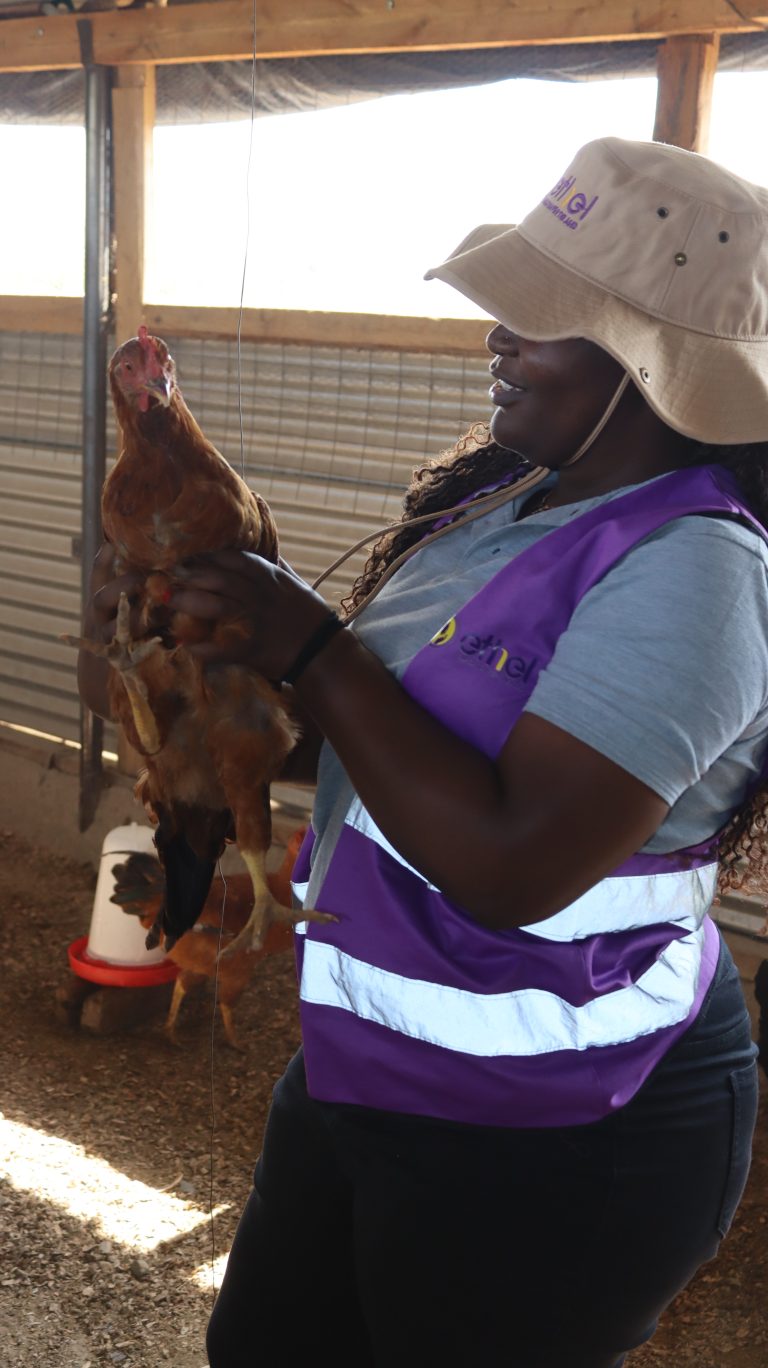
    In the Ethel Foundation chicken livelihood programme, this was also the starting point. Over time, however, something began to change—not just in productivity, but in mindset. Participants moved from cautious involvement to active responsibility, and eventually toward a sense of ownership over what they were building.

    What emerged was not only improved outcomes, but a deeper transformation: restored confidence, renewed dignity, and the return of agency in everyday life.

    This is where livelihood work becomes more than support—it becomes systems-based change in how people see themselves and their future.

Leave a Reply

Your email address will not be published. Required fields are marked *