How Livelihood Work Becomes Dignity in Practice
There is something important that often goes unnoticed in livelihood programmes: the real transformation does not begin when people receive support. It begins when they start to see themselves differently.
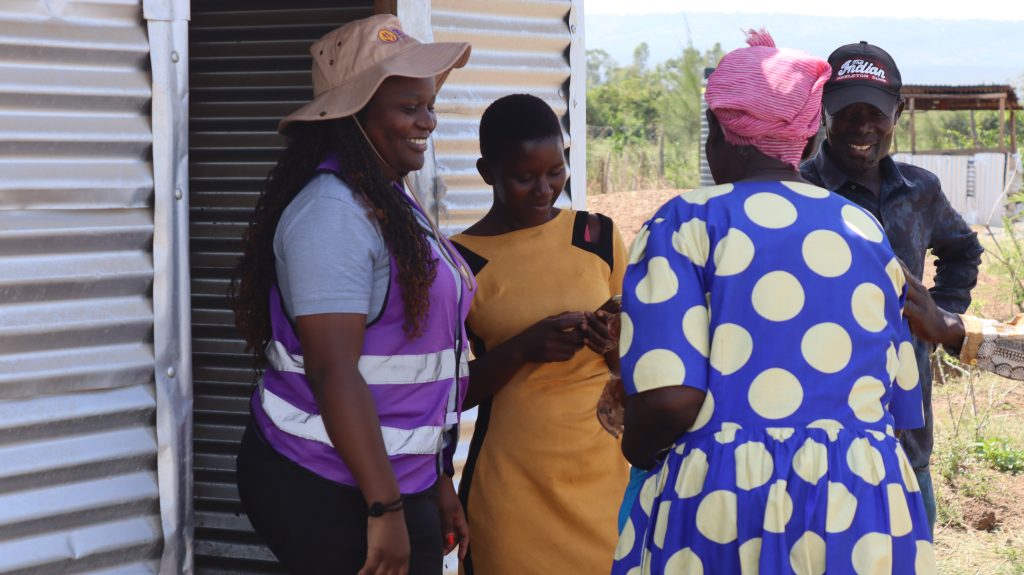
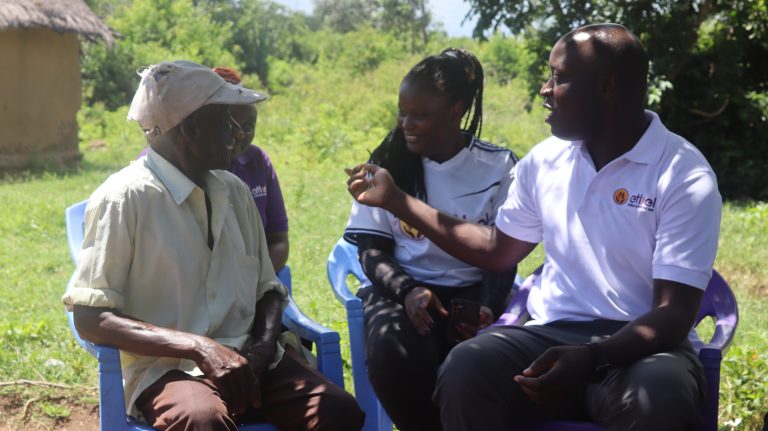
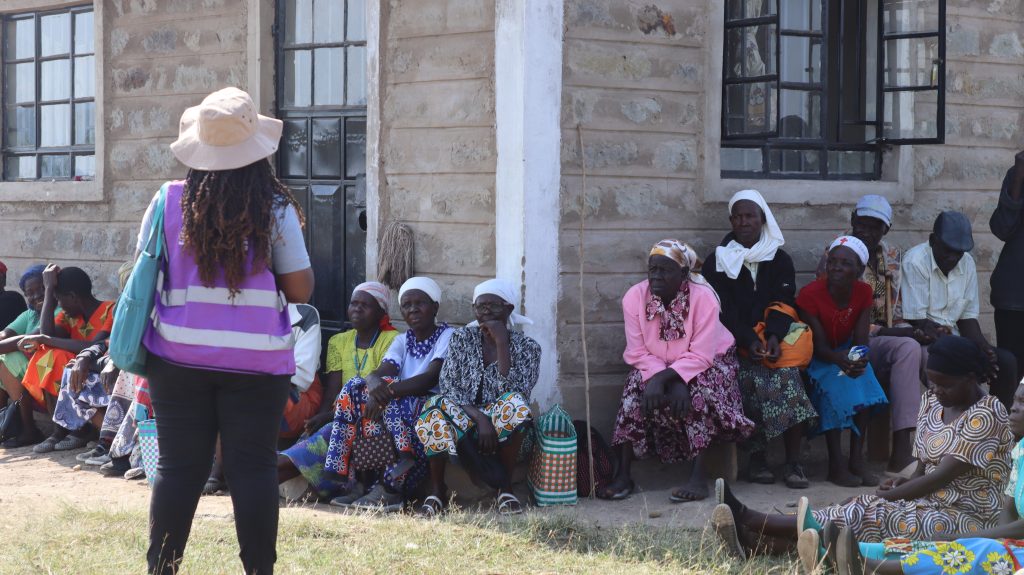
At the beginning of many community-based livelihood initiatives, particularly those involving older persons, participation is often cautious. People engage because an opportunity is presented, not necessarily because they fully believe in the possibility of long-term change.
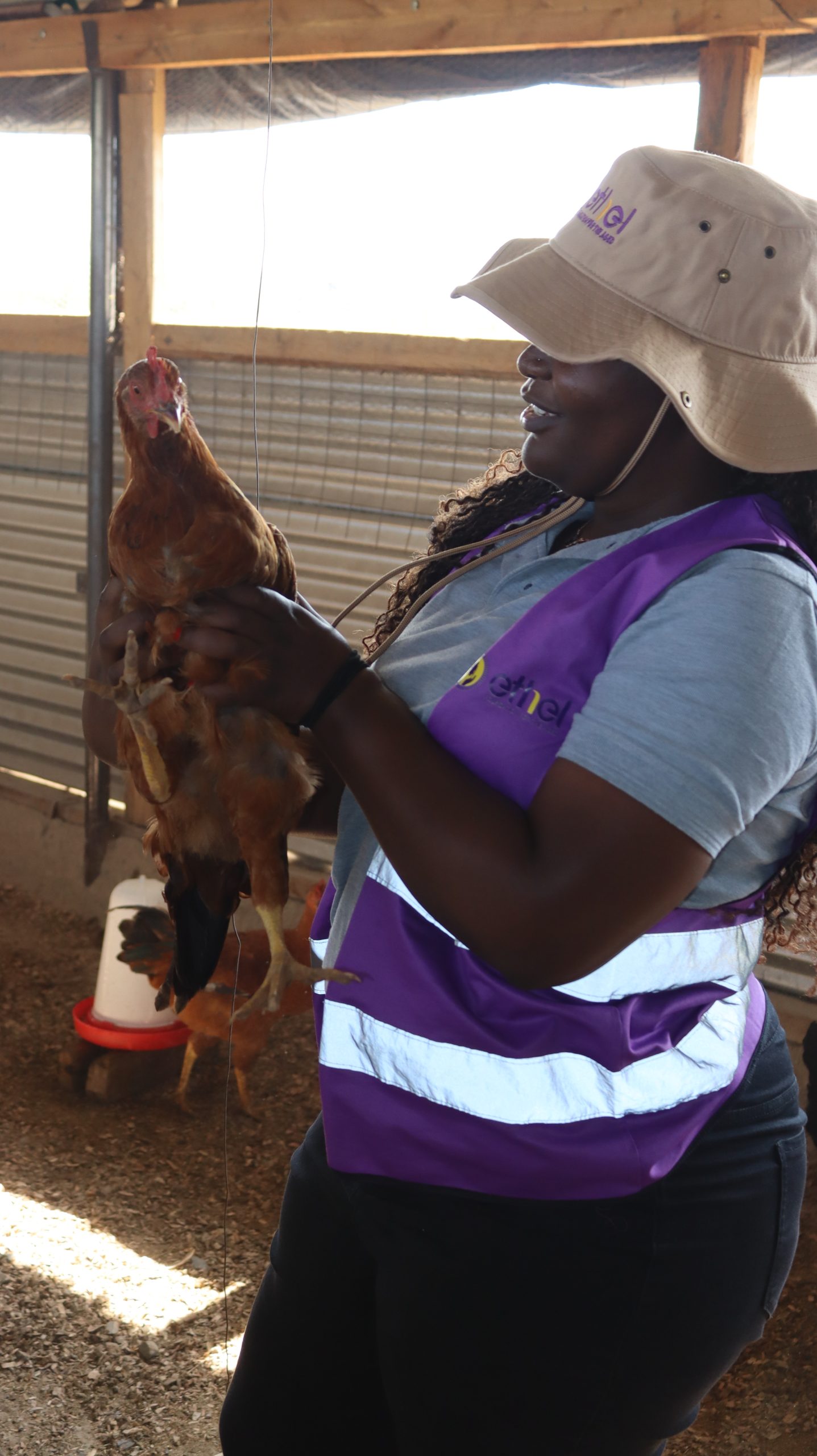
That was the case when the chicken livelihood programme under Ethel Foundation began.
For many participants, life had already settled into patterns shaped by necessity rather than opportunity. Survival had become the primary focus. Planning beyond the immediate day-to-day reality was not always a habit that felt realistic.
So when the programme started, engagement was polite, steady, and careful—but not fully owned.
Inputs were received. Training sessions were attended. Basic instructions were followed. But beneath that participation was a quiet question: Will this really change anything?
The slow shift that matters most
Livelihood transformation rarely happens in dramatic moments. It happens in repetition.
Over time, something began to change in how participants engaged with the programme.
They started asking more practical questions during training—not just listening, but engaging.
They became more attentive to daily care routines.
They began to notice small differences in feeding, housing, and handling practices.
They started showing up with more intention.
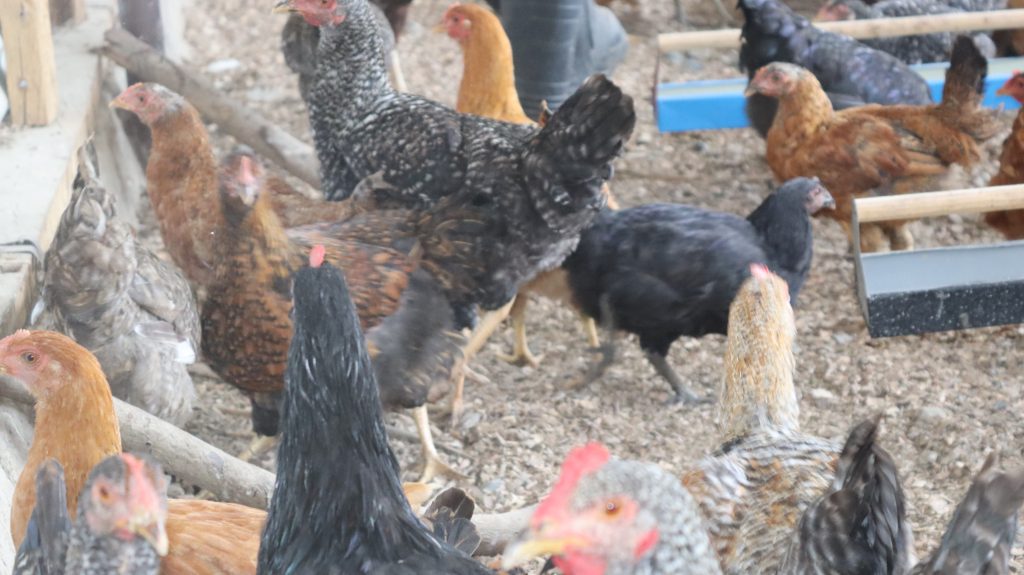
The chickens grew. Egg production became more consistent. Small improvements in management began to reflect in outcomes.
But the most important change was not visible in production figures.
It was visible in mindset.
From participation to ownership
A clear transition began to emerge.
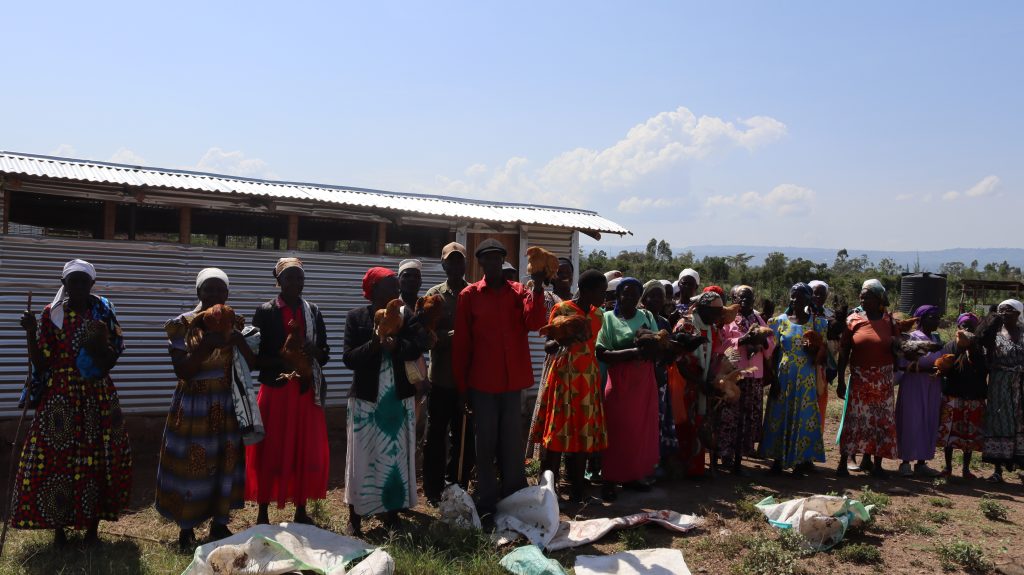
Participants were no longer only “receiving support.” They were actively managing something they recognized as theirs.
This shift—from participation to ownership—is one of the most important turning points in any livelihood programme.
It is where routine becomes responsibility.
It is where guidance becomes practice.
It is where external support begins to transform into internal capability.
People started thinking differently:
- How can we improve housing?
- How can we protect what is growing?
- How can we reinvest small gains back into the project?
These are not just operational questions. They are indicators of agency.
Beyond income: rebuilding agency and dignity
It is easy to measure livelihood programmes by outputs—number of eggs produced, income generated, or assets acquired.
But the deeper impact often lies elsewhere.
What is being restored in this process is not only economic activity. It is confidence. It is structure. It is the ability to plan again. It is the return of a sense of dignity that comes from contributing, managing, and building something over time.
For many older persons in the programme, this matters just as much as income.
Because dignity is not only about what one receives. It is also about what one is able to manage, sustain, and grow.
A systems perspective on impact
From a systems perspective, what is happening in this programme can be understood in three stages:
- Participation – engagement through structured support
- Ownership – internalization of responsibility and routine
- Agency – ability to make decisions, plan, and reinvest
Sustainable impact begins when programmes move people beyond participation into ownership—and ultimately into agency.
This is where development stops being temporary assistance and becomes long-term capability building.
Why consistency matters
None of this happens quickly. It requires time, repetition, and consistent accompaniment.
The role of trainers, caregivers, and implementing teams is not only to deliver inputs—but to sustain the process through which people gradually rebuild confidence in their own capacity.
Small corrections. Regular follow-ups. Continuous encouragement. These are often what determine whether a programme becomes transformational or remains transactional.
Conclusion
The Ethel Foundation chicken livelihood programme is not just about poultry management.
It is about rebuilding the conditions under which people begin to see themselves as capable again.
Because real development is not only about improving livelihoods.
It is about restoring the ability to imagine, plan, and build a better future—starting from where people are, and growing from there.