
Blogs | Gallery | Newsletters
SUPPORT ETHEL FOUNDATION
TO LAUNCH A STRATEGIC PLAN
PROVIDE FOOD HAMPERS
ADVOCATE FOR THE RIGHTS OF THE ELDERLY PERSONS IN KENYA

TO LAUNCH A STRATEGIC PLAN
PROVIDE FOOD HAMPERS
ADVOCATE FOR THE RIGHTS OF THE ELDERLY PERSONS IN KENYA
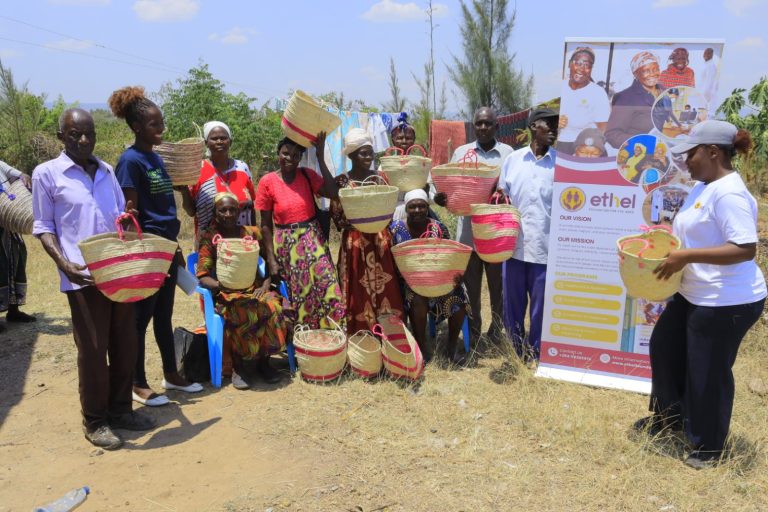
From Skilled Hands to Sustainable Livelihoods
The first collection of handwoven baskets crafted by older persons participating in Ethel Foundation for the Aged (EFA)’s livelihood activities in Kisumu is now ready for order.
Each basket reflects the skill, creativity and dedication of an older artisan, while creating an opportunity for dignified income and meaningful participation in community life.
By purchasing these handmade baskets, you help create markets for older persons’ skills and support EFA’s commitment to promoting dignity, inclusion and sustainable livelihoods in later life.
The first collection is now available for order.
Buy a basket. Support a livelihood. Honour the hands that made it.

Advancing healthier ,productive ageing Weaving Viondos on the Second Day of Training in Kibera In the heart of Kibera, a vibrant and resilient community in Nairobi, Kenya, a remarkable transformation is taking place. Elderly individuals, often overlooked and underestimated, are coming together to learn the art of weaving viondos (baskets) on the second day…

[ngg src=”galleries” ids=”10″ display=”basic_thumbnail” thumbnail_crop=”0″].[wpedon id=”1136″ align=”center”]


SENIOR CITIZENS WEAVING TRAINING [ngg src=”galleries” display=”basic_thumbnail” thumbnail_crop=”0″]

At the Ethel Foundation for the Aged, we are driven by one simple yet profound mission: to ensure that our senior citizens live with dignity, health, and joy. Aging is a natural part of life, but it often comes with unique challenges. Many elderly individuals face loneliness, health issues, and a lack of financial or…