From Advocacy to Systems
Dignified ageing in Kenya is no longer a peripheral conversation — it is steadily becoming a central pillar within social protection, community development, and public policy. Recent interventions in Kisumu County provide a compelling case for how integrated approaches can strengthen both the voice and wellbeing of older persons.
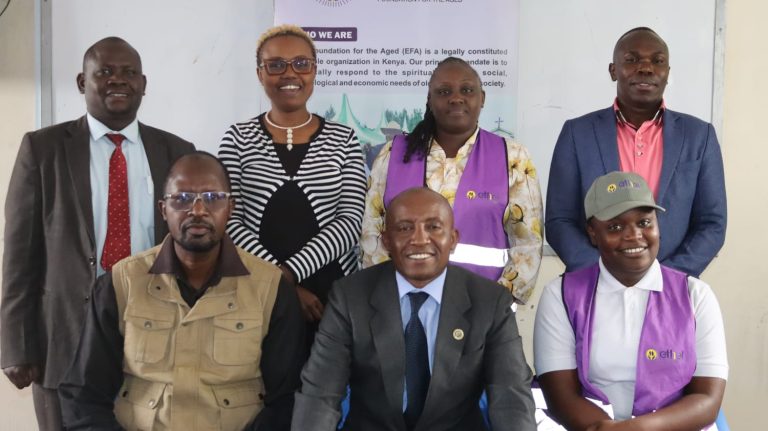
At the core of this work has been deliberate advocacy and policy engagement. Through high-level stakeholder forums, county officials, community leaders, and older persons were brought into the same space — not as passive participants, but as active contributors to local governance. These engagements strengthened alignment between community needs and county priorities, while reinforcing the role of older persons as rights holders within governance systems.
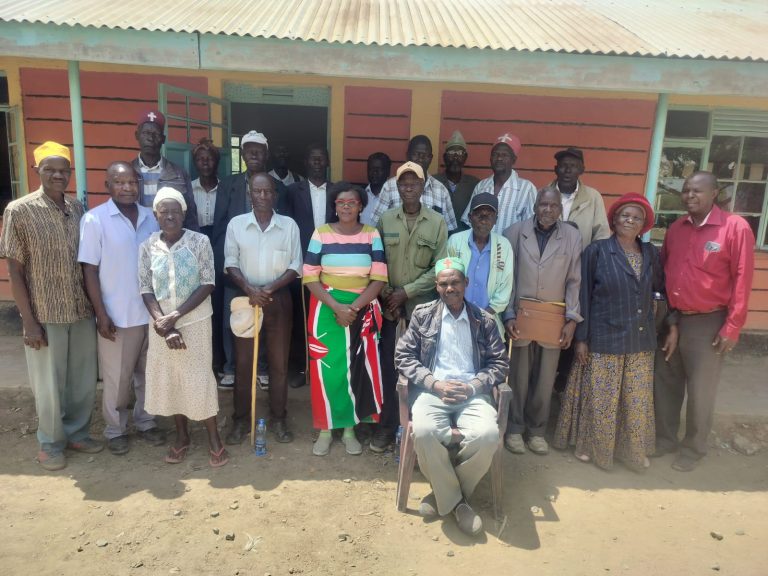
A key milestone was the training of over 50 older persons as advocacy champions. This goes beyond participation; it builds a sustained grassroots mechanism for rights awareness, accountability, and continued engagement with policy processes. It reflects an important shift in practice — from representing older persons to equipping them to represent themselves.
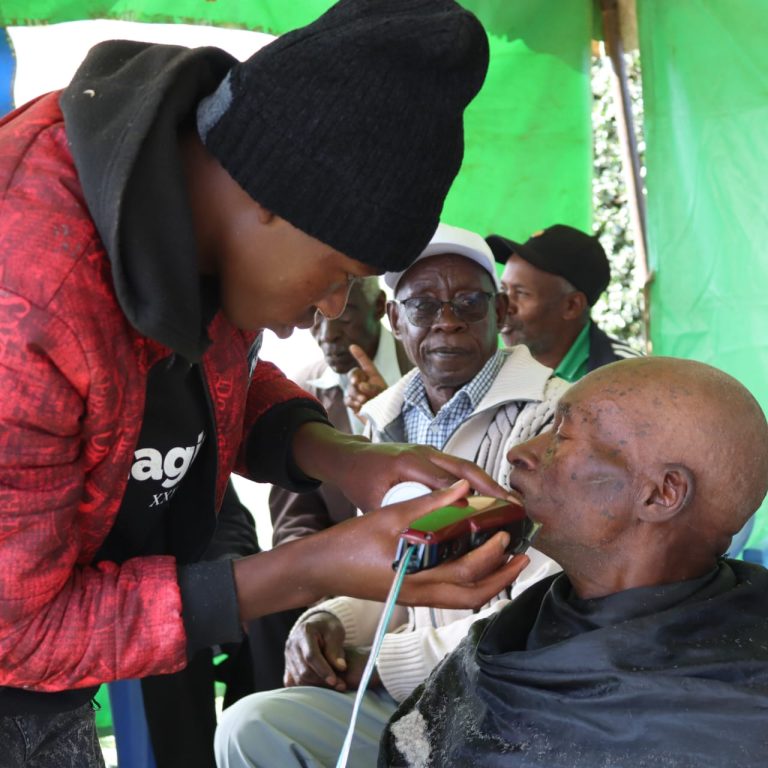
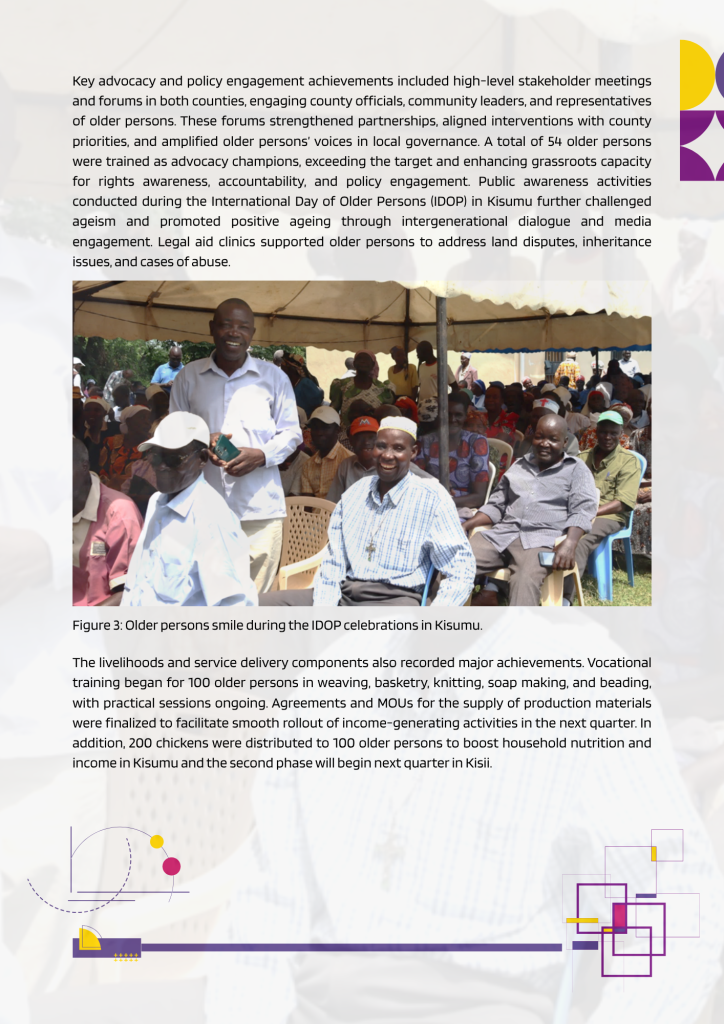
Public awareness efforts further reinforced this shift. Activities held during the International Day of Older Persons in Kisumu created a platform to challenge ageism and promote positive ageing. By fostering intergenerational dialogue and leveraging media engagement, these efforts contributed to changing both perception and discourse around ageing.
However, advocacy without economic strengthening often limits long-term impact. Recognizing this, the intervention integrated livelihoods and service delivery components. One hundred older persons were enrolled in vocational training across areas such as weaving, basketry, knitting, soap making, and beading. These are not merely skills-building activities; they are pathways to economic participation and dignity.
To support immediate household resilience, 200 chickens were distributed to 100 older persons, enhancing both nutrition and income generation at the household level. In parallel, agreements were established to ensure consistent access to production materials, laying the groundwork for continuity and scalability of income-generating activities.
Legal empowerment also emerged as a critical pillar. Legal aid clinics supported older persons in addressing land disputes, inheritance challenges, and cases of abuse — issues that remain prevalent yet often under-addressed. This component underscores the importance of integrating justice within social protection frameworks.
Several lessons emerge for social work education and practice in Kenya:
First, integrated models are more effective than fragmented interventions. Advocacy, livelihoods, and legal support must be designed as interconnected components of a broader system.
Second, capacity building at the community level is essential for sustainability. Training advocacy champions creates continuity beyond project timelines.
Third, institutional alignment — particularly with county governments — is critical for scaling and embedding such models within existing governance structures.
As the next phase of implementation begins in Kisii County, the focus must shift from isolated success to system-wide replication. This calls for stronger collaboration between educators, practitioners, and policymakers to ensure that such models are documented, taught, and institutionalized.
For ASWEK, this presents a clear opportunity: to position social work education at the forefront of designing and advancing integrated, scalable models that respond to Kenya’s evolving social protection needs.
Dignified ageing is not simply a programmatic outcome — it is a systems outcome. And it is one that the social work profession is uniquely positioned to lead.