Designing for Dignified Ageing
As communities evolve and life expectancy increases, one truth becomes increasingly clear: ageing is not an exception — it is a certainty. The question we must confront is not whether people will grow older, but whether our systems are prepared to support them with dignity, structure, and continuity.
At Ethel Foundation for the Aged (EFA), we engage daily with this reality. Ageing is often approached as a welfare issue — something to be managed through goodwill, donations, or intermittent support. While these responses may address immediate needs, they fall short of building sustainable pathways for long-term wellbeing.
Dignified ageing requires a shift in thinking: from charity to system design.
1. Ageing as a Life Stage, Not a Liability
Older persons carry knowledge, history, and identity that remain valuable to families and communities. Yet, many systems isolate them, reducing their role to dependency. A well-designed model recognizes ageing as a continued phase of contribution — socially, emotionally, and culturally.
2. The Case for Structured Care Systems
Care cannot depend on availability or goodwill alone. It must be intentional and consistent. This includes:
- Defined caregiving roles and responsibilities
- Routine health and wellness monitoring
- Emotional and psychosocial support
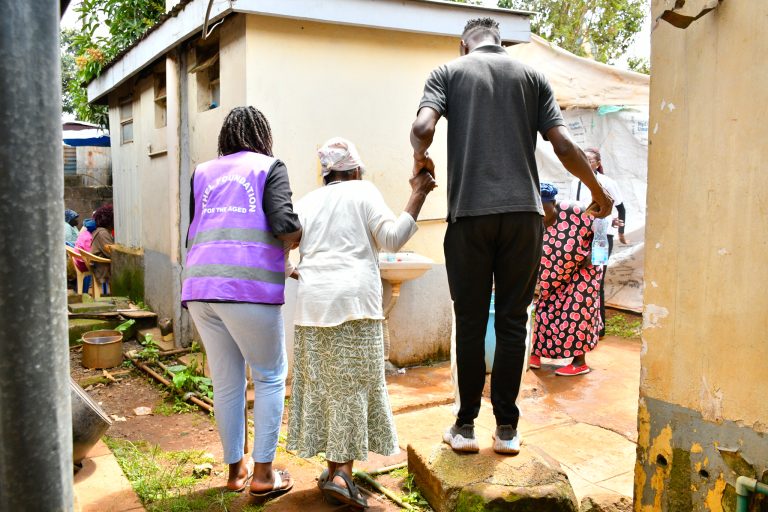
- Safe, clean, and predictable living environments
Structure creates stability — and stability restores dignity.
3. The Social Dimension of Ageing
One of the most overlooked aspects of elderly care is social connection. Loneliness, loss of identity, and reduced engagement often affect older persons more deeply than physical challenges. Interventions must therefore include:
- Community engagement programs
- Intergenerational interactions
- Spaces for storytelling, mentorship, and participation
Care is not only physical — it is relational.
4. Sustainability Beyond Donations
Many elderly care initiatives struggle because they rely solely on external support. Long-term impact requires diversified and reliable models, including:
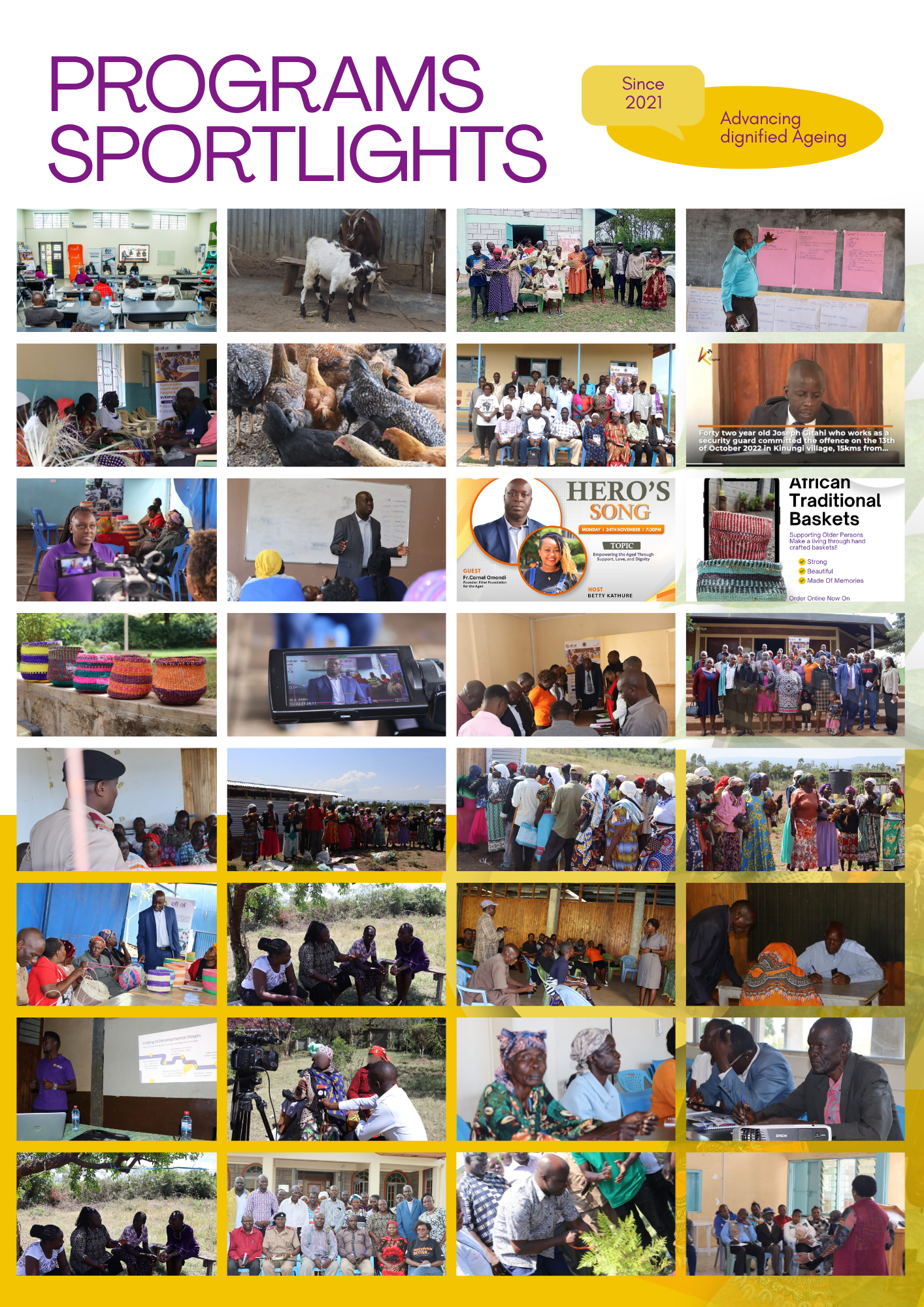
- Income-generating activities
- Partnerships with institutions and communities
- Integration with broader social protection systems
Sustainability ensures continuity — and continuity builds trust.
5. A Call for Responsibility
Caring for the aged is often framed as an act of kindness. In reality, it is a responsibility — one that reflects the values of a society. The systems we build today for older persons are the same systems we will depend on in the future.
Dignified ageing is not created in moments. It is built through deliberate design, consistent execution, and collective accountability.
At EFA, we remain committed to building models that do not just respond to ageing, but prepare for it — systems that uphold dignity, strengthen community, and ensure that no stage of life is left unsupported.
Because how we care for the elderly today defines the society we become tomorrow.