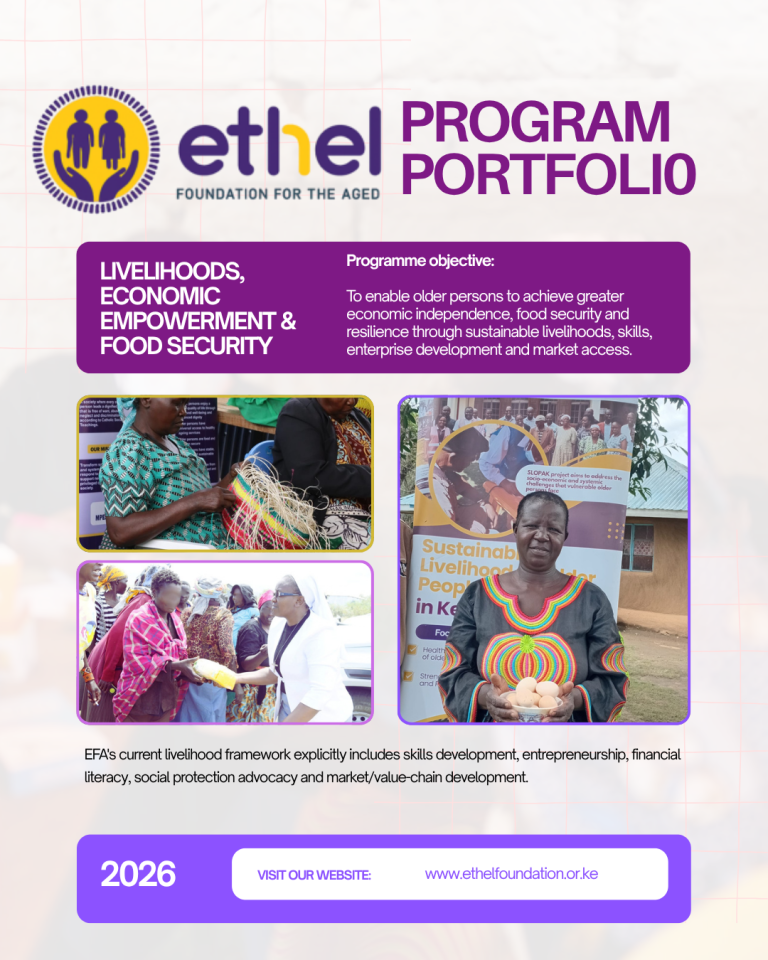
Listening First: Ethel Foundation’s Needs Assessment on the Plight of Older Persons in Baringo
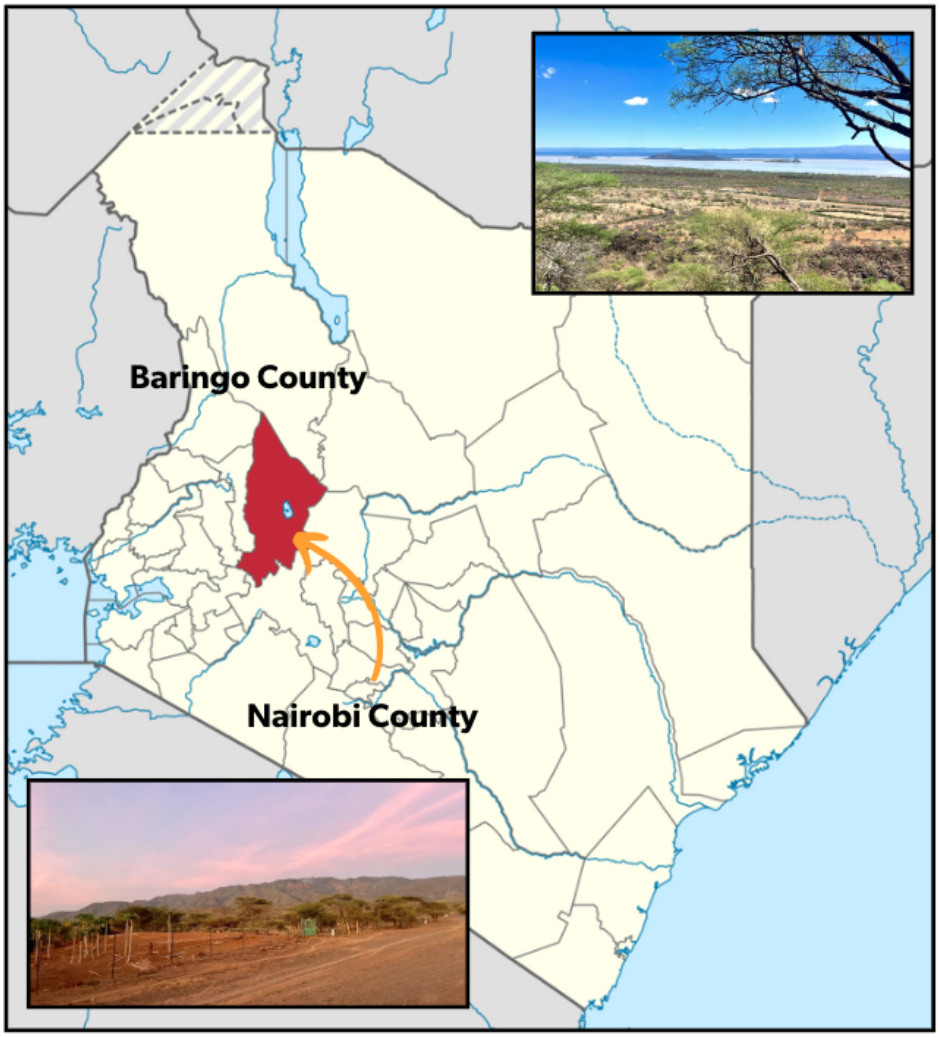
Across many parts of Kenya, older persons continue to face significant social and economic challenges that often remain unseen and unheard. In Baringo County—one of Kenya’s arid and semi-arid regions—the realities of ageing intersect with poverty, climate vulnerability, limited healthcare access, and social isolation.
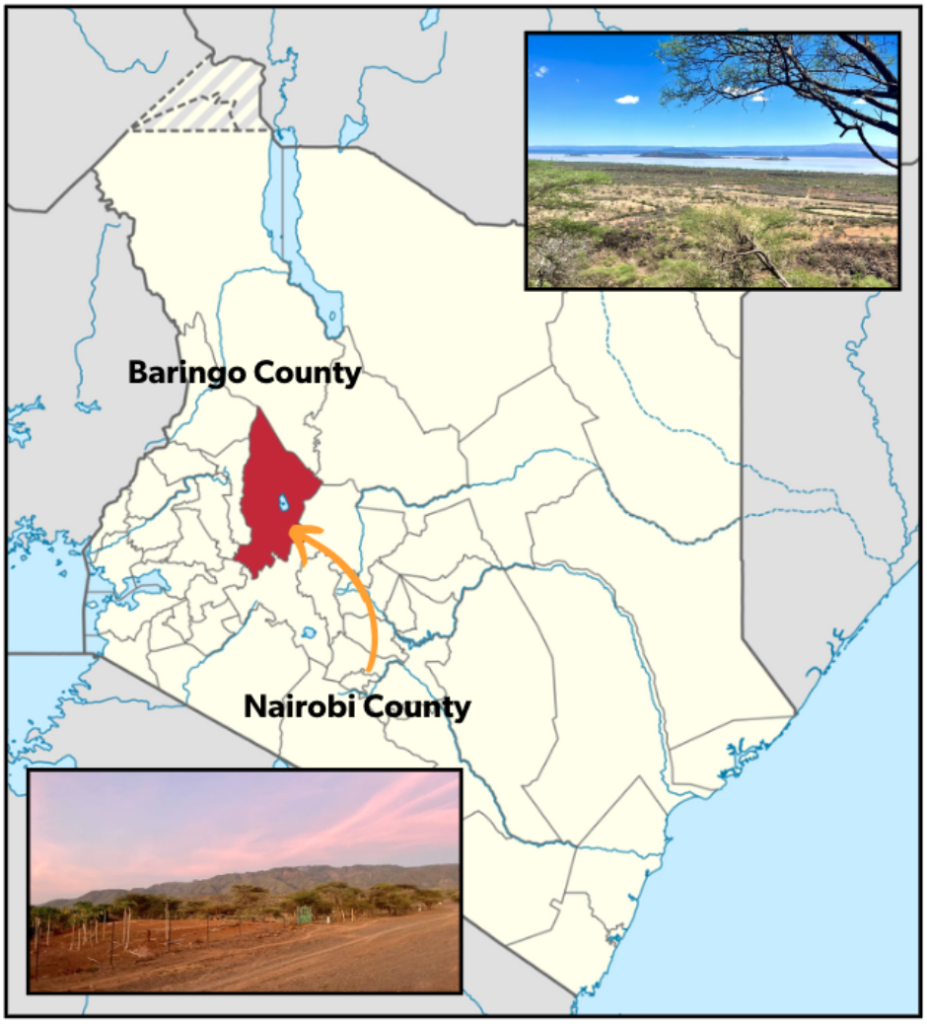
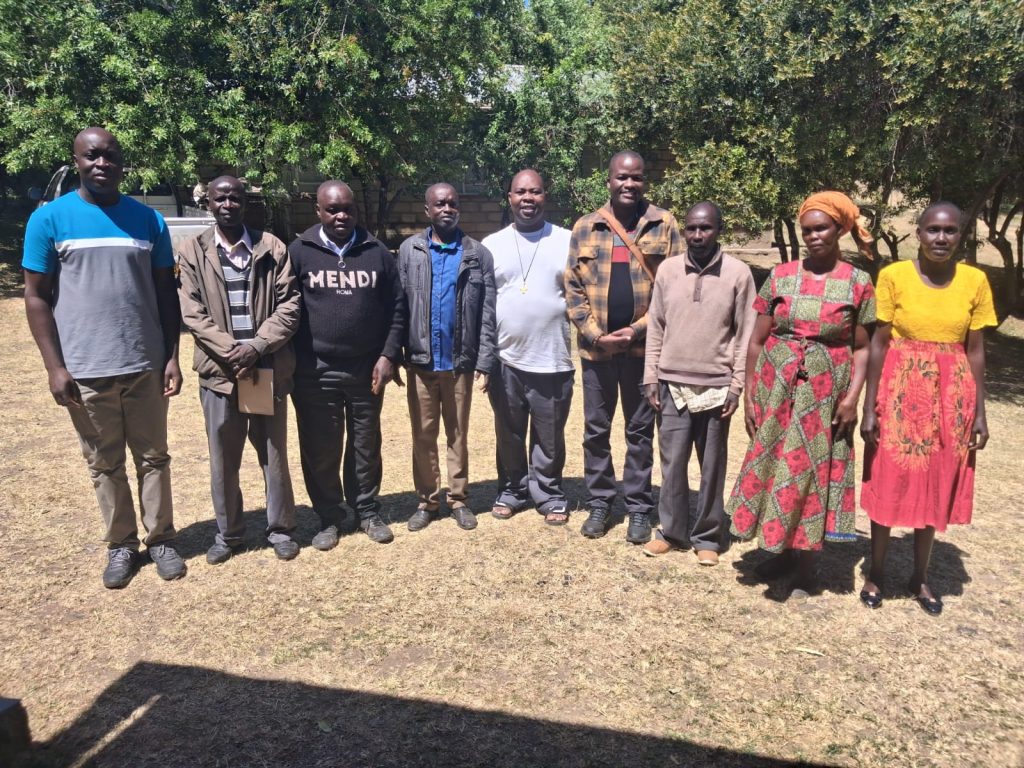
Recognizing the urgency of these issues, Ethel Foundation for the Aged (EFA) on 6th February conducted a needs assessment and fact-finding exercise in Baringo County. The exercise brought together older persons, community leaders, local stakeholders, and grassroots actors in a consultative meeting designed to listen, learn, and document the lived experiences of ageing in the region.
This initiative is part of Ethel Foundation’s commitment to ground its interventions in community realities and ensure that programmes designed to support older persons are responsive, inclusive, and sustainable.
Why the Needs Assessment Matters
For organizations working in social development, meaningful interventions begin with understanding the community context. Rather than imposing predetermined solutions, Ethel Foundation believes in community-led insight gathering.
The Baringo engagement was therefore designed to:
- Document the key socio-economic challenges facing older persons
- Identify existing community coping mechanisms and support systems
- Engage older persons directly in defining their own priorities
- Explore opportunities for partnership with local stakeholders
- Inform the design of future programs and advocacy efforts
By listening directly to older persons and those who interact with them daily, the Foundation seeks to build programs that respond to real needs rather than assumptions.
Voices from the Ground: Key Issues Emerging
The discussions during the meeting revealed several pressing issues affecting older persons in Baringo:
1. Food Insecurity and Climate Stress
Baringo’s semi-arid conditions have made food production increasingly difficult. Older persons—many of whom rely on small-scale farming—are particularly vulnerable when droughts affect harvests.
Participants noted that many older people struggle to maintain consistent access to nutritious food, especially those who live alone or lack family support.
2. Limited Access to Healthcare
Access to healthcare remains a major concern. Older persons reported challenges including:
- Long distances to health facilities
- High cost of medication
- Limited availability of geriatric-focused care
Chronic illnesses such as hypertension, arthritis, and diabetes are common among older persons, yet consistent treatment remains difficult to access.
3. Social Isolation and Neglect
Several participants highlighted the growing issue of social isolation, particularly among older persons whose children have migrated to urban areas in search of work.
For many, ageing has become a lonely experience. Some older persons reported feeling neglected or forgotten within their communities.
4. Economic Vulnerability
Many older persons in the region have limited or no income sources. While government social protection programs provide some relief, they often remain insufficient to meet everyday needs.
Opportunities for income-generating activities suited for older persons were strongly recommended during the discussions.
Community Strengths and Local Solutions
While the challenges are significant, the needs assessment also highlighted strong community resilience and solidarity.
Local leaders and community members pointed to:
- Informal caregiving networks within villages
- Community-based savings groups
- Traditional respect for elders within cultural structures
These existing social systems offer important entry points for sustainable interventions that strengthen what communities are already doing well.
Informing Ethel Foundation’s Future Role
The insights gathered during the Baringo fact-finding exercise are now informing internal deliberations within Ethel Foundation about the most effective ways to support older persons in the region.
Potential areas of engagement emerging from the discussions include:
- Food security initiatives tailored for older persons
- Livelihood and income-generating activities suitable for ageing populations
- Health outreach and medical access support
- Community social circles to reduce isolation
- Advocacy and awareness on the rights and dignity of older persons
These discussions are helping the Foundation determine where its expertise, partnerships, and resources can create the greatest impact.