Financial Stewardship as Social Impact: Why Responsible CSR Matters for Kenya’s Most Vulnerable
Across Kenya, conversations around development are evolving. There is growing recognition that financial governance, when managed responsibly, can become a powerful engine for social transformation.
The work of institution like the Unclaimed Financial Assets Authority (UFAA) offers an important example of this intersection between institutional accountability and community investment. By linking financial stewardship with structured Corporate Social Responsibility (CSR) initiatives, UFAA is contributing to a development model that is both principled and impact-driven.
From Asset Management to Community Resilience
Unclaimed financial assets represent more than dormant accounts; they represent public trust. How institutions manage such trust speaks directly to their commitment to transparency, accountability, and national development.
When responsible institutions channel CSR resources toward vulnerable populations — including widows and widow-led households — the impact extends beyond individual beneficiaries. It strengthens household stability, supports intergenerational opportunity, and reinforces social cohesion.
Widows in Kenya often face layered challenges: economic insecurity, land and inheritance barriers, social exclusion, and caregiving responsibilities. Addressing these vulnerabilities requires thoughtful, collaborative, and sustainable interventions — not short-term responses.
What Effective CSR Should Look Like
In today’s development landscape, effective CSR is defined by:
- Alignment with government policy and national development priorities
- Strong governance and accountable leadership
- Community consultation and participation
- Collaboration across civil society and public institutions
- Clear monitoring, evaluation, and learning frameworks
- Sustainability beyond the funding cycle
When these elements are present, CSR becomes more than compliance — it becomes catalytic.
A Shared Commitment to Dignity
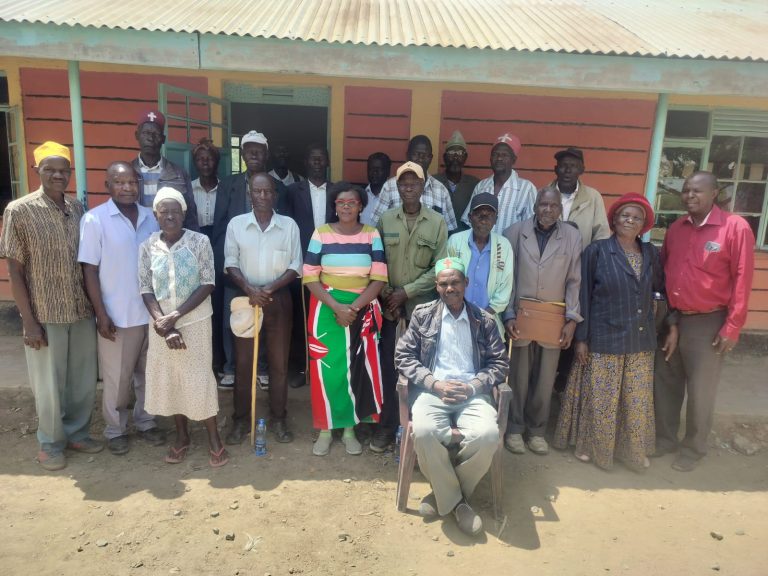
At Ethel Foundation for the Aged, we work daily to advance the rights, protection, and empowerment of older persons, particularly older women who are disproportionately affected by poverty and exclusion. We understand that dignified aging is not simply a social issue — it is a governance issue, a policy issue, and an economic issue.
We are encouraged to see institutions within Kenya’s public sector embracing CSR approaches that are structured, transparent, and community-centered. This signals maturity within the ecosystem — and reinforces the idea that sustainable development is a shared responsibility.
Looking Ahead
Kenya’s development progress will increasingly depend on partnerships rooted in integrity, accountability, and evidence-informed programming. When financial stewardship is coupled with strategic social investment, the result is more resilient communities and stronger institutions.
Responsible governance builds trust.
Strategic CSR builds impact.
Together, they build a more inclusive future.