
From Training to Action: Building a Community-Led Elders Advocacy System in East Kano
On 28 January 2026, elders and community advocates from East Kano Location gathered at Hope School for a landmark meeting—one that signaled a shift from isolated interventions to a structured, village-anchored system for elders advocacy, protection, and empowerment.
Convened under the guidance of Ethel Foundation for the Aged, the meeting brought together trained elders advocates, community leaders, and facilitators with a shared purpose: to organise elders not as beneficiaries, but as active rights holders, leaders, and economic actors within their communities.
Setting the Foundation
The meeting opened with a word of prayer from Bishop Kinda, followed by introductions from participants. Elder Tom Onger then walked members through the vision, goals, and objectives of Ethel Foundation for the Aged, reaffirming the Foundation’s commitment to dignity, protection, and structured support for older persons.
Participants openly acknowledged that Ethel Foundation is currently the only organisation actively supporting elders in East Kano Location, particularly in the areas of advocacy training, rights awareness, and community-based protection mechanisms. This recognition underscored both the responsibility and urgency of building a system that can endure beyond individual meetings or projects.
Formation of the Elders Advocates Support Group
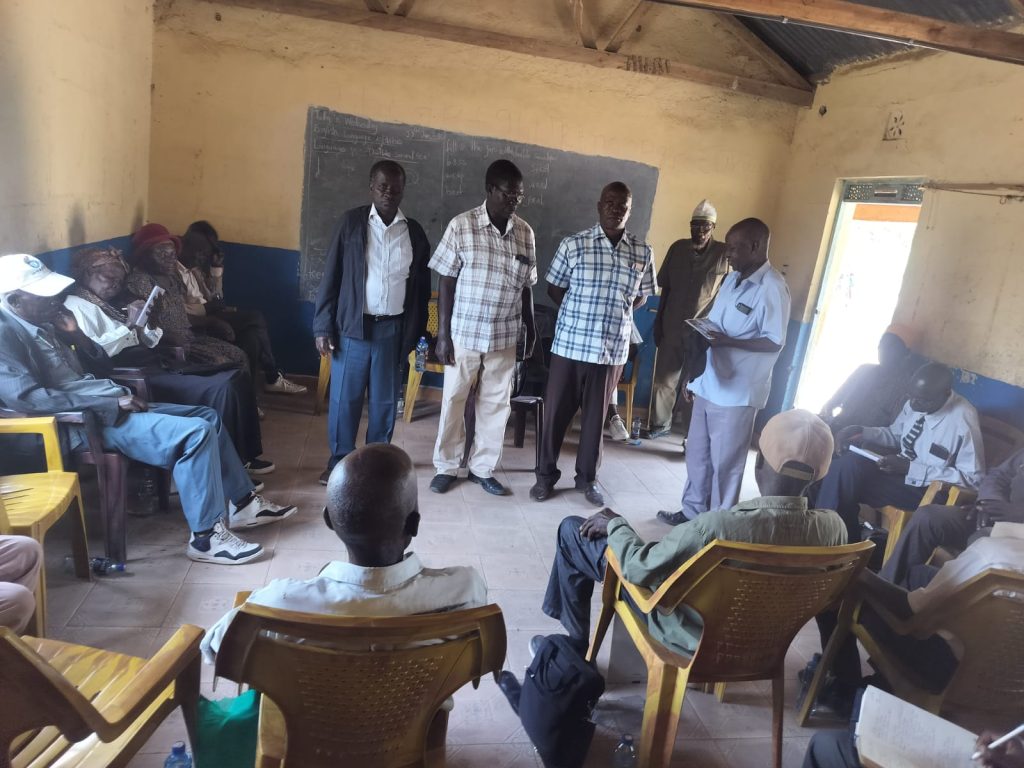
A major milestone of the meeting was the unanimous agreement to establish an Elders Advocates Support Group. The group is envisioned as a coordination and solidarity mechanism to:
- Strengthen referrals and collective advocacy
- Respond to human rights violations against elders
- Support one another during complex or high-risk cases
Members proposed several names, including Kisumu Elders Advocates, East Kano Elders Champions, and Kisumu East Kano Elders Advocates. The final group will comprise 25 trained elders advocates, with 5 additional members incorporated to ensure full representation of villages, clans, and previously uncovered areas.
This structure lays the groundwork for collective voice and organised action among elders in East Kano.
Village-Level Representation: Taking Advocacy to Where Elders Live
East Kano Location spans 11 villages across Katolo and Achego sub-locations. To ensure proximity, accountability, and effectiveness, village representatives were formally identified and mandated to begin work immediately.
Their responsibilities include:
- Mobilising elders and forming village elders councils
- Mapping all elders aged 60 and above
- Keeping basic wellbeing and daily health records
- Identifying, documenting, referring, and following up cases of abuse
- Coordinating village-level activities
- Submitting monthly reports to the main advocates group
- Standing in solidarity with elders across villages when called upon
This approach embeds protection, monitoring, and advocacy directly within the community, reducing response time and strengthening trust.
Democratic Leadership: Elections with Equity and Representation
From the identified village representatives, elders conducted democratic elections to select their officials. Care was taken to ensure geographical balance and fairness, with leaders drawn from different villages.
The elected officials were:
- Chairperson: Evans Okeyo
- Vice Chairperson: Justus Opapa
- Secretary: Hezekiah Othatcher
- Vice Secretary: Ruth Ngielo
- Treasurer: Lydia Owino
Leaders were reminded that their mandate is collective service, unity, and accountability—working together for the best interests of all elders in East Kano.
Addressing Real Challenges: Livelihoods, Loneliness, and Mental Health
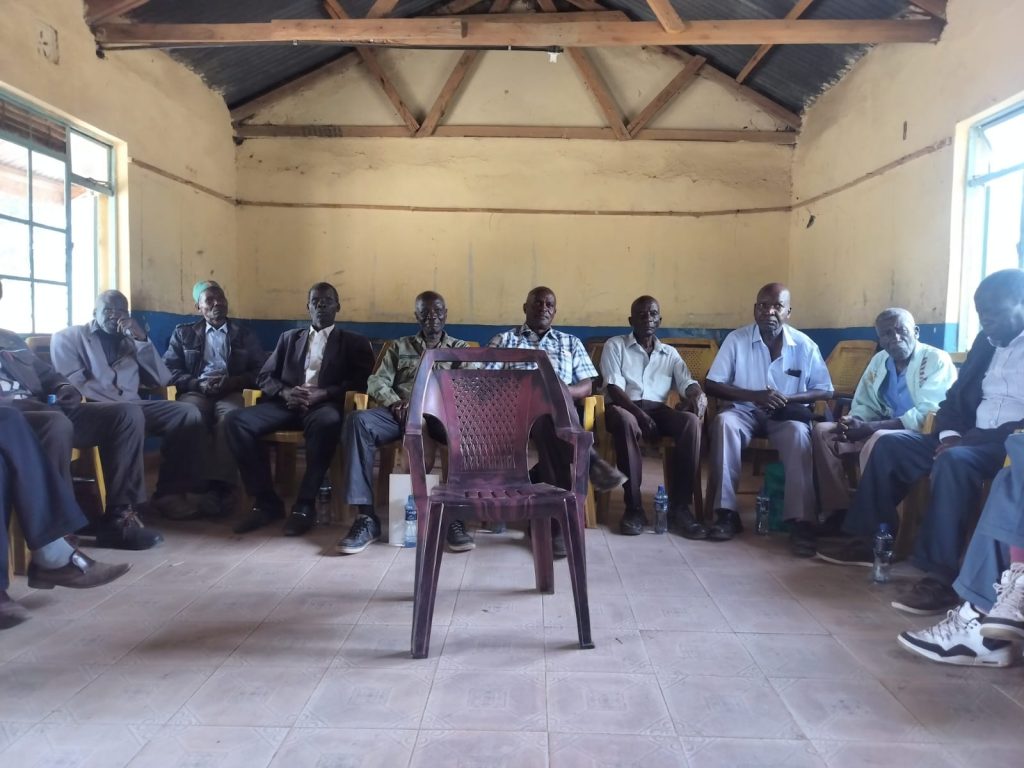
With leadership in place, elders turned their attention to identifying priority challenges and practical solutions.
1. Economic Insecurity
Financial instability emerged as a major concern. Elders proposed village-based income-generating activities (IGAs) that are feasible, culturally grounded, and inclusive:
- Basket weaving
- Sisal rope making
- Knitting sweaters and mats
- Beading traditional attire
- Rearing goats and sheep
- Dairy farming for milk production
These activities will be organised at group level while ensuring direct benefits to individual elders, strengthening both social cohesion and household resilience.
2. Loneliness, Isolation, and Mental Wellbeing
Elders—especially widows and widowers—shared experiences of isolation, grief, and increased vulnerability to abuse, including property grabbing, psychological harm, and physical violence.
To address this, participants proposed structured social and interaction activities such as:
- Traditional games (Ajua, drafts, darts)
- Light sports and ball games
- Singing, dancing, and storytelling
- Regular debriefing and peer-support sessions
- Exchange visits for exposure and learning
- Weekly and monthly meetings
These activities are intentionally designed not just for recreation, but as safe spaces for interaction, disclosure, and early identification of abuse, enabling timely referral and response.
The Way Forward
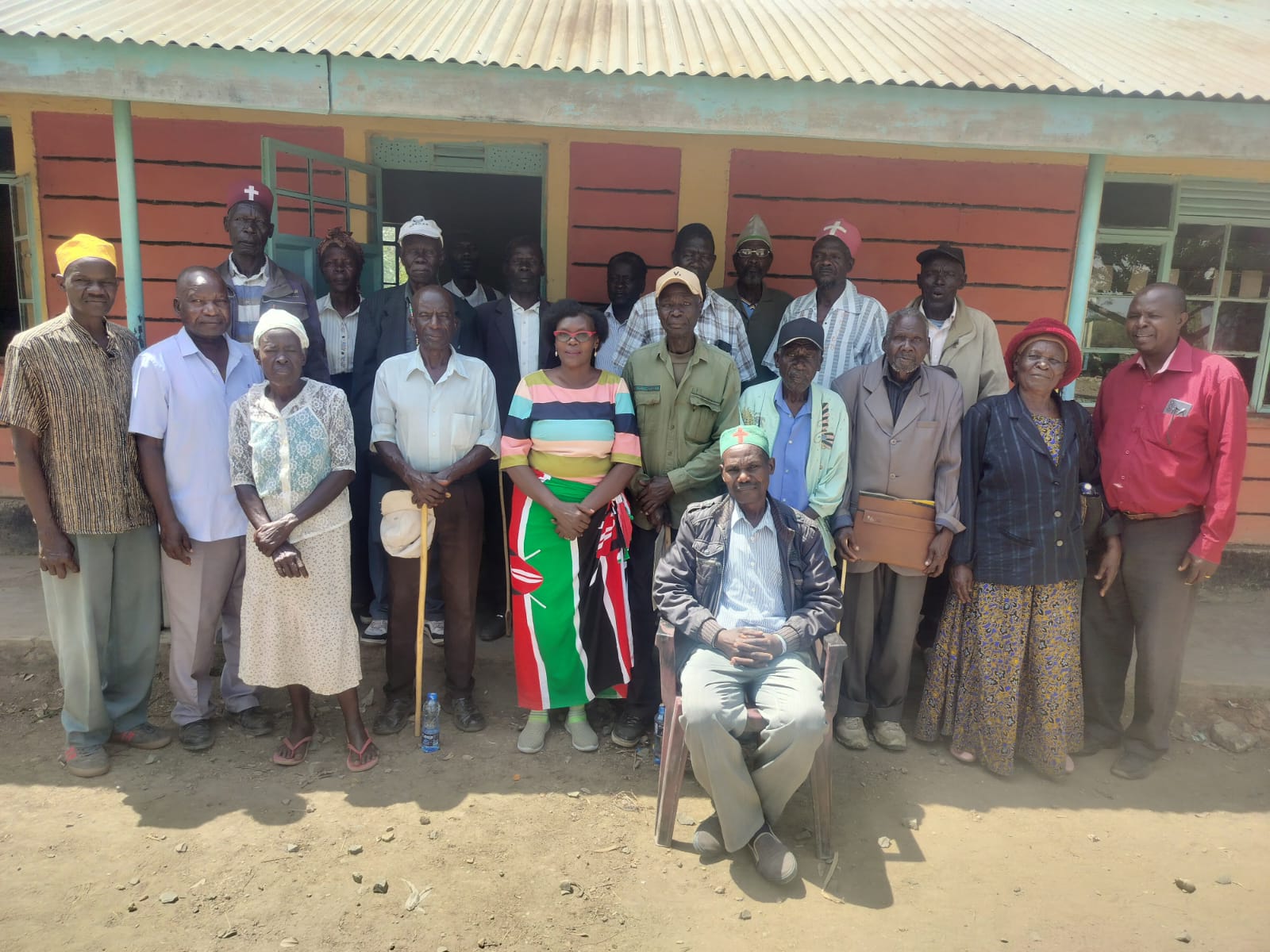
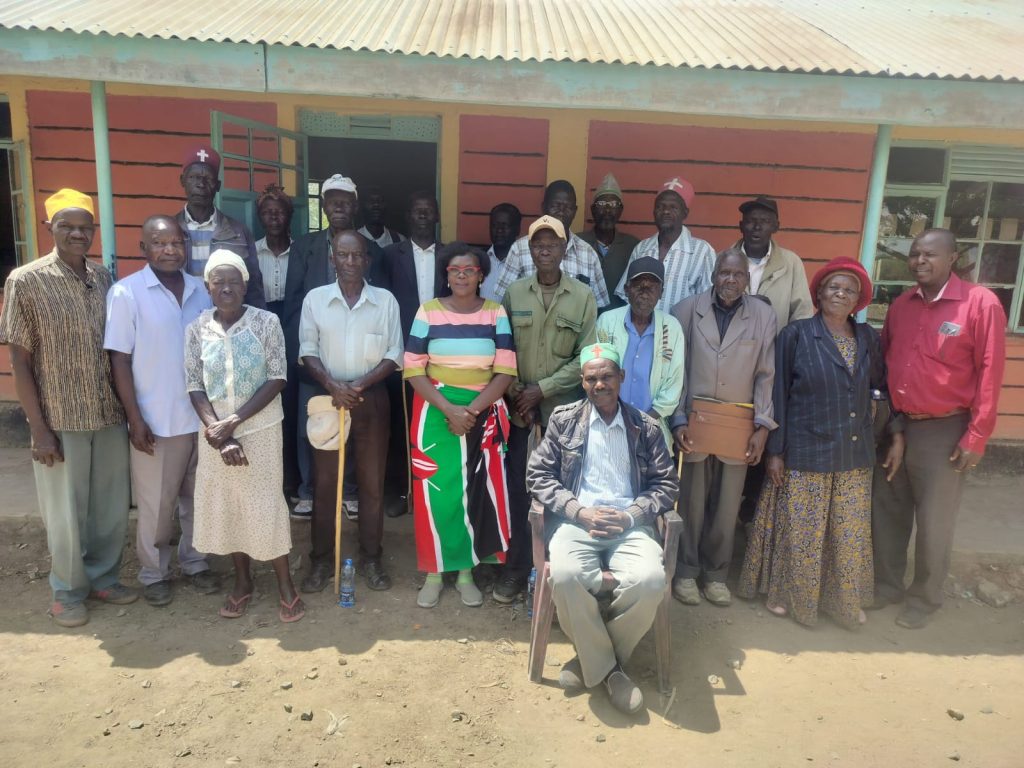
Members agreed that the next meeting will be held at Olisa Shamba, with communication coordinated through village representatives. The meeting officially closed at 12:08 pm with a word of prayer from Elder Odongo, followed by a group photo—capturing the beginning of a more organised and empowered elders movement in East Kano.
Why This Matters
This meeting demonstrates what community-led ageing systems look like in practice:
- Elders organised at village level
- Clear leadership and accountability
- Integrated focus on rights, livelihoods, and mental wellbeing
- Protection mechanisms rooted in everyday community life
At Ethel Foundation for the Aged, we believe that ageing is a rights issue, not a charity case. When elders are organised, informed, and supported, dignity becomes sustainable—and protection becomes possible.
This is not the end of a meeting. It is the beginning of a system.


